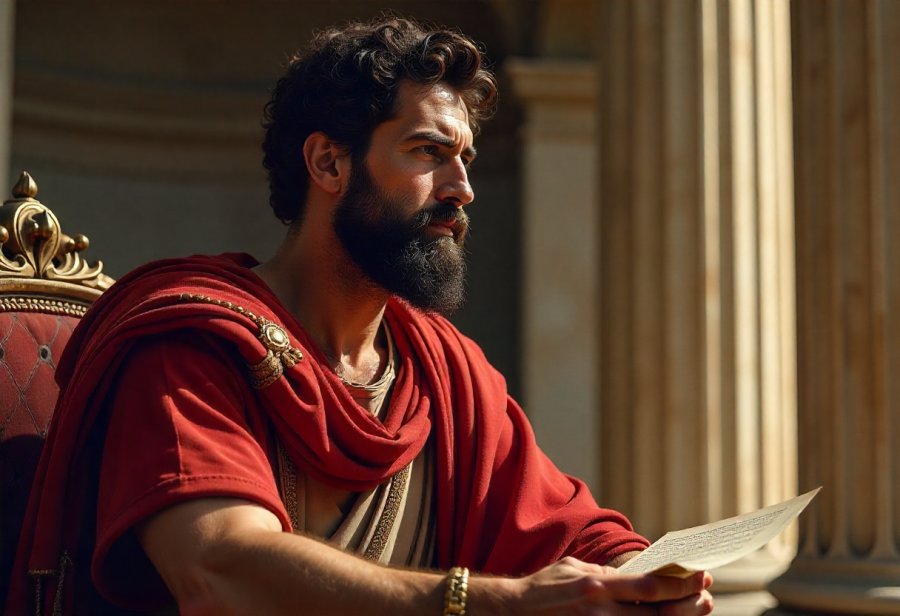




Is Robin Hood’s legendary rebellion rooted in actual historical conflict with King John, or is he merely a mythic figure embodying societal ideals? This exploration delves into the social unrest of early 13th-century England, marked by oppressive taxes, land disputes, and political upheaval, which arguably fostered stories of resistance like Robin Hood’s. While medieval records lack concrete proof of Robin as a real person, the tales reflect collective frustrations against corrupt authorities and unjust laws. Over centuries, Robin evolved into a symbol—an archetype of justice, virtue, and rebellion—shaped by storytelling, poetry, and cultural adaptation. His legend transcends specific events, resonating as a moral beacon against tyranny. The contrast between historical reality and myth highlights how legends serve societal needs, inspiring resistance and moral integrity across generations. Ultimately, Robin Hood’s enduring power lies in his dual role: a reflection of real social tensions and a universal symbol of resistance, justice, and hope.
Unveiling Robin Hood: Legend, Justice, and Medieval England
The Robin Hood legend stands as one of the most enduring and recognizable stories from medieval England, embodying themes of justice, resistance, and moral righteousness. Rooted in a blend of folklore, ballads, and oral tradition, the figure of Robin Hood has evolved over centuries into a symbol of defiance against corruption and exploitation. The core narrative presents Robin as a noble outlaw—often depicted as a yeoman or minor noble—who robs from the rich to aid the poor. This moral rebellion resonates deeply with the common people, embodying an ideal of social justice that transcends social classes and time periods. Such stories serve not merely as entertainment but as cultural expressions of collective aspirations for fairness and moral integrity.
To understand the significance of Robin Hood, it is crucial to situate him within the broader historical context of medieval England—a period marked by social upheaval, political turmoil, and shifting allegiances. The late 12th and early 13th centuries, in particular, were characterized by widespread discontent stemming from oppressive taxation, land disputes, and the growing power struggles between the monarchy and the nobility. King John’s reign, from 1199 to 1216, epitomizes this unrest. His rule was plagued by internal conflicts, heavy military expenses, and disputes with both the barons and the church. These circumstances created a fertile environment for stories of rebellion and resistance to take root, stories that would later inform the Robin Hood mythos.
The tales as they have been passed down through oral tradition and later written accounts appear to draw inspiration from this volatile environment. Robin is often depicted fighting against corrupt officials, unjust land seizures, and oppressive taxes—issues that were central to the frustrations of the period. The stories frequently place Robin and his band of Merry Men in Sherwood Forest, a setting that symbolizes both refuge and rebellion for commoners fed up with local sheriffs and royal agents. These narratives reflect the social tensions of the time, portraying Robin as a champion of the oppressed and a collective resistance figure rooted in the real grievances of medieval society.
However, the historical evidence about Robin Hood himself remains limited and ambiguous. Medieval records rarely mention him by name, and references that do exist do not provide concrete details about his identity or specific deeds. Instead, Robin Hood emerges as a figure shaped by centuries of storytelling—sometimes portrayed as a nobleman turned outlaw, other times as a simple yeoman. This fluidity suggests that Robin was not a single individual but rather a symbol of societal values and resistance. His attributes—moral clarity, bravery, and a relentless pursuit of justice—serve as archetypes that encapsulate the frustrations of ordinary people facing exploitation, rather than a documented rebel involved in particular conflicts with King John or his officials.
While the stories depict Robin Hood opposing royal authority—particularly figures like the Sheriff of Nottingham—it is essential to recognize that these tales are more reflective of the social unrest during King John’s reign than accurate historical records. The signing of the Magna Carta in 1215, driven by baronial rebellion and widespread dissatisfaction, underscores the broader context of societal upheaval. Archaeological findings from Nottinghamshire and surrounding regions support this picture; excavations reveal settlement patterns and artifacts from the late 12th and early 13th centuries that suggest communities experiencing hardship and marginalization. These social realities likely provided fertile ground for outlaw figures like Robin Hood to become enduring symbols of resistance, even if the legendary Robin Hood himself was never a direct participant in specific historical events.
Ultimately, Robin Hood’s legend encapsulates a complex interplay of history and myth. While rooted in the social tensions of King John’s England, his story has been shaped by centuries of storytelling that romanticized and idealized resistance. The legend reflects collective frustrations and aspirations, transforming localized conflicts into universal themes of justice and rebellion. Robin Hood, therefore, functions as both a mirror of real societal unrest and a mythic archetype—one whose enduring appeal lies in its ability to inspire moral resistance and symbolize the universal human desire for fairness. The historical and cultural layers within his story remind us that legends are living narratives, continually reshaped to serve moral, political, and societal needs across generations.
Roots of Rebellion: Did Robin Hood Truly Fight King John?
The core question surrounding Robin Hood’s origins is whether his legendary rebellion reflects actual conflicts with King John or if it is primarily a product of mythic storytelling that has grown over centuries. To navigate this, it’s essential to examine the broader social unrest documented during King John’s reign, which provides a compelling context for the emergence of tales like Robin Hood’s. The early 13th century was a period marked by widespread dissatisfaction—oppressive taxation, land seizures, and the monarchy’s increasing tendency to overreach its authority. These conditions created fertile ground for stories of resistance to take hold and flourish in oral tradition, even if there is no direct evidence linking Robin Hood to specific individuals or events.
The historical records from this period depict a landscape rife with unrest. The rebellion of the barons, culminating in the sealing of the Magna Carta in 1215, highlights the widespread discontent with royal overreach. These documented uprisings reveal a society grappling with the limits of royal power and the struggles of local communities against exploitation. Such tensions are mirrored in Robin Hood stories, where he fights against corrupt officials, unjust taxes, and land seizures—issues that resonated with the frustrations of commoners under King John’s rule. Although Robin himself is never explicitly named in contemporary documents, the themes embedded in his legend align closely with these societal grievances.
Examining the stories further, Robin Hood is often depicted opposing figures like the Sheriff of Nottingham, embodying corrupt local authority. These narratives depict Robin as a champion of the oppressed, fighting against injustice and defending the weak. Yet, the documentation is sparse; there are no known records of Robin Hood as a real person involved in such conflicts. Instead, he functions as a symbolic figure—an archetype created through storytelling that encapsulates societal frustrations. His moral clarity, bravery, and sense of justice serve as idealized traits representing the collective desire to resist tyranny and injustice, rather than specific historical acts.
Archaeological evidence from Nottinghamshire and surrounding regions offers additional insight. Excavations reveal settlement patterns, artifacts, and landscape features from the late 12th and early 13th centuries that suggest communities experiencing hardship and marginalization. Such social realities could have fostered conditions where outlaw activity and social banditry thrived, providing fertile ground for legends to take root. These material traces support the idea that outlaw figures like Robin Hood might have been inspired by real social tensions—individuals or groups resisting local injustices—though the stories have since been mythologized and exaggerated over time.
The article Robin Hood’s Legend as a Reflection of Medieval Resistance by Izzy Spencer on Perfect Wedding Day provides useful background.
The political turbulence of King John’s reign, specifically the rebellion of the barons and the subsequent signing of the Magna Carta, underscores a society deeply engaged in struggles over authority and justice. These upheavals resonate with Robin Hood’s narrative of fighting against unjust rulers and oppressive taxes. While no direct evidence links Robin Hood himself to these events, the social climate they created provides a plausible backdrop. The stories encapsulate this unrest, transforming localized disputes into universal themes of resistance, fairness, and moral righteousness. Robin Hood becomes a vessel for collective grievances—a symbol of societal discontent that transcends individual identity.
In essence, Robin Hood’s legend is a complex tapestry woven from both historical threads and mythic embellishments. The social tensions of King John’s England—taxation, land disputes, and authority struggles—are well documented and likely influenced the stories that proliferated in oral tradition. These tales, over time, have been shaped by poetic and literary embellishment, elevating Robin from a possible real outlaw into a moral archetype. His legend reflects not just specific historical conflicts but a universal desire for justice and resistance against tyranny, amplified through generations of storytelling. This blend of fact and fiction ensures Robin Hood’s enduring relevance, as a symbol rooted in authentic social unrest yet transformed into an ideal of moral virtue.
The legend’s evolution from real social tensions to a mythic figure demonstrates how stories adapt to serve societal needs. Robin Hood’s character has been reinterpreted across eras—sometimes as a noble hero, other times as a rebellious outlaw—depending on the prevailing moral and political climate. These retellings emphasize different qualities, reinforcing his status as an archetype of resistance. The core themes—fighting injustice, defending the weak, moral righteousness—remain constant, ensuring that Robin Hood continues to resonate as a symbol of defiance. His story exemplifies how myths are living narratives, continually reshaped to reflect contemporary values while drawing on the echoes of past struggles.
In conclusion, while Robin Hood’s stories are undoubtedly inspired by the social unrest of King John’s reign, there is little concrete evidence to prove his existence as a specific individual involved in these conflicts. Instead, Robin Hood functions more convincingly as a cultural archetype—a personification of collective frustrations, moral ideals, and resistance against injustice. His legend encapsulates the authentic social tensions of the period, yet it has been magnified and mythologized over centuries. This layered origin underscores the power of storytelling to transform real grievances into enduring symbols—heroes who stand for justice, fairness, and moral resistance, inspiring generations beyond their historical circumstances.
Myth Versus Reality: Tracing the Origins of Robin Hood’s Legend
The origins of Robin Hood’s legend are deeply rooted in the processes of myth-making that have shaped perceptions of social resistance over centuries. While some early stories may have been inspired by actual outlaws or rebels operating in medieval England, these figures were gradually transformed into archetypes embodying justice and defiance against tyranny. As the stories evolved, romanticized elements—Robin’s noble qualities, his band of Merry Men, and his residence in Sherwood Forest—became symbols of resistance rather than precise historical facts. This romanticization simplifies the complex social tensions of the period into a clear moral dichotomy of good versus evil, which enhances narrative appeal but distances it from verifiable reality.
The tales of Robin Hood’s conflicts with authority—particularly figures like the Sheriff of Nottingham—stand at the heart of his legendary image. These stories portray Robin as a champion of the oppressed, fighting against unjust taxes and corrupt officials. Yet, when scrutinizing historical records, direct references to Robin Hood as an individual involved in such conflicts remain scarce or nonexistent. The earliest ballads and folk narratives do not mention Robin by name in contemporary documents, and there is no definitive evidence linking him to specific events or figures. Instead, Robin functions more as a moral archetype—a construct of storytelling that encapsulates societal frustrations, moral ideals, and collective aspirations for justice.
This divergence between myth and reality becomes even clearer when examining the broader political turbulence of King John’s reign. Widespread dissatisfaction with oppressive taxation, land seizures, and royal overreach fostered an environment ripe for stories of rebellion. The rebellion of the barons, culminating in the sealing of the Magna Carta in 1215, exemplifies the societal unrest that the Robin Hood legends echo. While Robin himself may not have been a participant in these events, his stories reflect the collective desire for fairness and resistance against tyranny. The social realities of the time—supported by archaeological findings of hardship and marginalization—provided fertile ground for outlaw figures like Robin to emerge as symbols of defiance.
Robin Hood: Myth or Real Rebel Against Injustice, written by Fi Brooks on Frisco Texas Living, offers a deeper look at this topic.
The mythic qualities of Robin Hood have played a significant role in shaping perceptions of his origins. Over centuries, storytelling has emphasized his moral righteousness, his fight against corruption, and his role as a protector of the weak. These narratives elevate Robin beyond a mere outlaw into a moral hero, embodying societal ideals of justice and virtue. Each retelling and reinterpretation has contributed to his legendary status, often focusing less on factual accuracy and more on the moral lessons he represents. This process of mythologization ensures Robin Hood’s relevance across eras, transforming localized disputes into universal themes of resistance, fairness, and moral integrity.
The enduring power of Robin Hood’s legend lies in its ability to adapt. His story has been reshaped across cultures and generations to symbolize the fight against systemic injustice, regardless of the historical specifics. The archetype resonates because it captures a universal human aspiration: the desire to challenge oppression and uphold morality. By shifting from a potentially real figure to a mythic icon, Robin Hood embodies these ideals in a form that continues to inspire contemporary movements for justice. His legend, therefore, functions both as a reflection of social unrest and as a moral template—an enduring symbol that transcends the details of his origins to serve larger societal purposes.
Legends and Archetypes: How Robin Hood Shapes Our Understanding Today
The origins of Robin Hood, whether rooted in tangible social conflicts or in the realm of myth and storytelling, fundamentally shape how we interpret his enduring legend today. If Robin Hood genuinely reflects the social upheavals of King John’s reign, then his story functions as a powerful symbol of resistance against tyranny and injustice. This perspective lends Robin Hood a legitimacy grounded in real societal struggles, transforming him from a mere mythic figure into an authentic voice of collective grievances that challenged oppressive authority. Recognizing this potential connection encourages us to see Robin not solely as a legendary hero but also as a reflection of genuine resistance movements that emerged in medieval society, making his story relevant beyond simple folklore.
Conversely, if Robin Hood is primarily a product of mythic archetypes and cultural imagination, his significance shifts toward embodying universal ideals of justice, fairness, and rebellion. In this view, Robin becomes an archetype—an idealized figure representing society’s hopes and moral aspirations—rather than a specific historical rebel. Such an interpretation underscores that legends like Robin Hood serve as moral touchstones, shaping societal values and inspiring collective action through storytelling. Their power resides in their ability to transcend individual facts, fostering a shared cultural understanding of resistance, virtue, and moral righteousness that endures across generations.
The way we understand Robin Hood’s origins influences contemporary perceptions of justice and authority profoundly. If he is rooted in real conflicts, then his story offers a blueprint for modern resistance—examples of how social grievances can ignite collective action against injustice. Robin then becomes a symbol of grassroots rebellion, a reminder that societal change often begins with localized acts of defiance rooted in tangible hardships. On the other hand, if Robin Hood is mainly a mythic creation, his role becomes that of an enduring moral exemplar—an archetype encouraging individuals to stand for justice even amid systemic corruption or moral ambiguity. Both perspectives shape current dialogues about resistance, either as an active pursuit grounded in specific circumstances or as an aspirational ideal.
The mythic roots of Robin Hood also serve to universalize his story, making it adaptable across cultures and eras. Embodying core themes of fighting corruption and defending the weak, Robin Hood’s archetype remains relevant far beyond medieval England. His story resonates because it captures a universal human desire to challenge oppression and uphold morality. This adaptability helps explain why Robin Hood continues to inspire contemporary activism and cultural narratives worldwide. The archetype’s flexibility allows it to be reinterpreted in different contexts, reinforcing its significance as a symbol of resistance and moral integrity across diverse societies and eras.
This evolution from a potentially real figure to a mythic ideal highlights how legends serve societal needs. Oral traditions, poetic retellings, and literary adaptations have reshaped Robin Hood into a moral exemplar rather than a historical person. Each retelling emphasizes qualities like heroism, morality, and defiance, aligning with the moral and political priorities of successive generations. Such reinterpretations ensure Robin Hood’s relevance, transforming localized disputes into universal themes of justice, fairness, and resistance. This process of myth-building sustains his legend, allowing him to serve as a moral compass and a symbol of hope amidst social upheaval.
The legend’s power lies in its capacity for continual reinvention. As societal values change, so too does the portrayal of Robin Hood, adapting to reflect contemporary struggles and moral priorities. His image has been reshaped across cultures and eras—from heroic outlaw to symbol of social justice—each version emphasizing different qualities depending on the needs of the moment. This dynamic nature of his legend guarantees its endurance, making Robin Hood a versatile icon whose core themes remain relevant. His story continually evolves, reinforcing its relevance as a moral and cultural touchstone that speaks to the universal human aspiration for fairness and resistance against injustice.
Understanding Robin Hood through this layered lens—both as a reflection of real social tensions and as an archetype—deepens our appreciation of his lasting impact. His legend embodies the tension between tangible social struggles and the aspirational qualities of heroism and virtue. This duality allows Robin Hood to function simultaneously as a mirror of authentic grievances and as an inspiring ideal that encourages moral resistance. His stories continue to resonate because they encapsulate the universal human desire for fairness and the moral courage to challenge systemic injustice—traits as vital today as they were in the medieval period.
Hello Dolly Tribute includes a detailed treatment of this topic by Quincy Garcia in Uncovering Robin Hood’s True Origins Beyond Myth and Legend.
Finally, this complex understanding of Robin Hood’s origins reminds us that legends are living narratives, continually reshaped by societal needs and moral values. Whether rooted in actual conflicts or mythic storytelling, his figure remains a potent symbol of resistance and virtue. As new social challenges emerge, the Robin Hood archetype can be adapted to inspire contemporary struggles for justice, embodying the timeless human quest for fairness and moral integrity. His legend demonstrates how cultural symbols—whether based on real social tensions or idealized ideals—can transcend their origins, fostering moral resilience and collective action across generations. In doing so, Robin Hood exemplifies the enduring power of stories to inspire societal change and moral virtue.
Reflections and Future Paths: The Enduring Power of Robin Hood’s Story
Understanding the origins of Robin Hood requires a nuanced appreciation of how myth and history intertwine. The stories, while rooted in genuine social tensions such as resistance to unjust taxation and land disputes, do not offer definitive proof that Robin Hood was a specific individual involved in these conflicts. Instead, he functions more convincingly as a cultural archetype—an embodiment of collective ideals of justice, rebellion, and moral righteousness that resonate across generations. Recognizing this distinction shifts the focus from hunting for a concrete figure to appreciating how societal frustrations are transformed into enduring legends. These narratives serve as moral frameworks reflecting societal values rather than literal historical accounts.
The complexity of Robin Hood’s origins highlights the importance of analyzing the social, political, and economic contexts of his time. The turbulent reign of King John, marked by widespread dissatisfaction over heavy taxation, land seizures, and royal overreach, provided fertile ground for stories of resistance to flourish. These conditions created a collective consciousness that stories of outlaws and rebels could symbolize broader societal frustrations. Over centuries, oral traditions, poetic embellishments, and literary retellings have shaped Robin into a moral hero—an archetype that embodies the ideals of justice and defiance in the face of tyranny. His legend, therefore, reflects not just specific conflicts but a universal desire for fairness amid chaos.
The archaeological record and regional social history further support the view that Robin Hood’s legend is rooted in social realities. Excavations in Nottinghamshire and neighboring areas from the late 12th and early 13th centuries reveal communities experiencing hardship, marginalization, and unrest. Settlement patterns, artifacts, and landscape features indicate social instability that could have fostered outlaw activity and social banditry. These conditions likely inspired stories of resistance that were eventually mythologized into Robin Hood’s character—a figure representing the collective struggle against injustice, even if no single person can be identified as his historical prototype. The legend thus emerges as a reflection of societal tensions made tangible through storytelling.
The evolution from real social grievances to mythic symbolism underscores the dynamic nature of legends. Oral traditions and literary adaptations have continually reshaped Robin Hood’s image, emphasizing his heroism, morality, and resistance. These retellings often downplay specific historical details in favor of moral lessons, transforming Robin from a possibly real outlaw into an icon embodying universal virtues. This process of myth-making ensures his relevance across different eras, allowing the core themes of fighting oppression, defending the weak, and seeking justice to persist. Robin Hood’s legend remains flexible precisely because it is rooted in moral ideals that transcend particular historical circumstances.
Finally, recognizing Robin Hood as both a reflection of social unrest and an archetype of moral resistance deepens our understanding of his enduring impact. His story embodies the tension between tangible social struggles and aspirational virtues. This duality is what gives Robin Hood his timeless appeal—he is a symbol of hope, resistance, and justice that adapts to the moral and political needs of each new generation. His legend demonstrates how stories rooted in social realities can evolve into powerful cultural symbols, inspiring moral resilience and collective action. As societal challenges continue to grow, the Robin Hood archetype remains vital, reminding us that resistance and moral integrity are universal human pursuits that endure beyond the specifics of any single historical moment.