




Transforming Toronto yards into eco-friendly retreats is no longer just a trend but a necessity for sustainable urban living. How can homeowners balance stunning aesthetics with environmental responsibility? This comprehensive guide explores innovative practices, emphasizing native plants, water conservation, and eco-conscious materials tailored to Toronto’s climate. It reveals how regional insights and adaptive design techniques create resilient landscapes that support local ecosystems, reduce maintenance, and withstand seasonal extremes. From rain gardens to solar lighting, the future of landscape design is evolving with smart technology and native biodiversity, promising gardens that are not only beautiful but self-sustaining. Yet, how do these advancements translate into real-world results that delight homeowners while safeguarding the environment? The journey toward greener, more resilient outdoor spaces is ongoing, blending practical strategies with visionary ideas that redefine what a sustainable yard can be—and how it can transform urban life in Toronto.
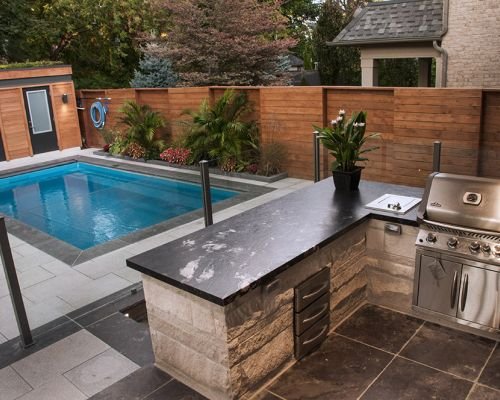
Transform Toronto Yards into Eco-Friendly Retreats for a Greener Future
Transforming Toronto yards into beautiful, eco-friendly outdoor retreats is more than just a design trend—it’s a crucial step toward creating healthier, more resilient urban spaces. As our city continues to grow and green spaces become increasingly valuable, homeowners and landscape professionals are realizing that beauty and responsibility can go hand in hand. The goal isn’t simply to craft eye-catching gardens but to develop outdoor areas that support local ecosystems, conserve resources, and require less ongoing maintenance. This shift reflects a broader understanding that outdoor spaces can be both stunning and environmentally sound, playing a key role in Toronto’s sustainable future.
Designing a sustainable landscape in the city starts with rethinking what a yard can be. It’s about moving beyond traditional lawns and ornamental plants to incorporate natural elements that thrive in Toronto’s climate. Native plants are central to this approach—they flourish with less water and fewer chemicals once established, transforming ordinary yards into lush, inviting retreats. Incorporating drought-resistant grasses and perennials creates outdoor spaces that are vibrant, resilient, and supportive of local wildlife, all while reducing ecological footprints.
This transition is rooted in regional awareness. Toronto’s climate, characterized by cold winters and warm summers, guides every landscape decision. Plants imported from elsewhere often fail to survive Toronto’s seasonal extremes, leading to higher maintenance and resource use. Instead, landscape designers now prioritize native species that are well-suited to local conditions. Techniques like rainwater harvesting and mulching help conserve water and enhance soil health, making gardens more sustainable and less labor-intensive over time.
The focus on eco-friendly choices extends to materials. Using permeable paving, recycled furniture, and natural water features not only elevates aesthetic appeal but also minimizes environmental impact. These smart material selections foster outdoor spaces that are both beautiful and functional, supporting biodiversity and reducing runoff. The aim is to create yards that are visually captivating, environmentally responsible, and easy to maintain, ensuring they remain vibrant year after year.
Ultimately, transforming Toronto yards into eco-friendly retreats isn’t just about aesthetics. It’s about fostering a genuine connection to nature, supporting local wildlife, and making mindful choices that benefit the environment and daily living. With careful planning and an understanding of regional conditions, these outdoor spaces can become vital parts of the city’s greener future—beautiful, resilient, and welcoming for generations to come.
History and Heritage Shape Toronto’s Sustainable Landscaping Practices
Toronto’s approach to sustainable landscaping has evolved significantly, shaped by a deeper understanding of both environmental challenges and regional conditions. In the past, yards often featured ornamental gardens filled with imported plants that demanded heavy watering, fertilizers, and constant upkeep. These traditional designs prioritized visual appeal but often came at the expense of ecological health and resource efficiency. As awareness of local environmental issues grew, landscape professionals shifted their focus toward practices better suited to Toronto’s unique climate and urban landscape.
Today, native plants and water conservation techniques are at the heart of sustainable landscape design in Toronto. The city’s climate—with cold winters, warm summers, and moderate rainfall—favors species that are naturally adapted to these conditions. Gardens relying on imported plants often struggled to survive Toronto’s seasonal extremes, leading to higher maintenance costs and increased water use. Modern designs prioritize native grasses, shrubs, and perennials that require less water, fewer chemicals, and minimal intervention once established, making landscapes more resilient and eco-friendly.
These regional insights inform current best practices, emphasizing soil health, biodiversity, and resource efficiency. Techniques like rainwater harvesting, drip irrigation, and mulching are now standard, helping conserve water and maintain soil vitality. Incorporating these strategies transforms traditional lawns into diverse, low-maintenance landscapes that support local ecosystems while reducing environmental impact. This shift away from resource-intensive plantings reflects a broader move toward landscapes that are both beautiful and sustainable, tailored to Toronto’s climate realities.
Understanding microclimates within yards is also crucial. Site-specific assessments allow designers to select plants that will thrive naturally, reducing the need for supplemental watering or chemical treatments. Native species that withstand Toronto’s temperature swings and dry spells help ensure long-term success. This regional focus encourages a more thoughtful, adaptive approach—one that respects local conditions and promotes ecological harmony over time.
As the landscape design field continues to learn from past experiences, the trend toward ecological resilience and climate adaptability remains strong. Incorporating soil health, native biodiversity, and water-efficient practices ensures that Toronto’s outdoor spaces are not only attractive but also capable of enduring future climate challenges. This regional perspective guides designers in creating outdoor environments that are sustainable, vibrant, and seamlessly integrated into the city’s evolving green infrastructure.

Balancing Beauty and Responsibility in Outdoor Design
Creating outdoor spaces that are both visually stunning and environmentally responsible starts with careful selection of plants and materials. Native species are the foundation—they’re adapted to Toronto’s climate, requiring less water, fewer chemicals, and minimal ongoing maintenance. When used thoughtfully, they introduce vibrant colors, diverse textures, and natural structure, transforming a yard into a lively retreat that supports local wildlife without the ecological toll of non-native plants.
Designing for sustainability also involves layering different plant types to add depth and year-round interest. Tall grasses, flowering perennials, and evergreen shrubs work together to create a naturalistic look that enhances biodiversity and offers visual appeal through all seasons. Incorporating natural water features like rain gardens or recirculating ponds not only elevates the aesthetic but also promotes eco-friendly water management, supporting pollinators and wildlife while adding a calming focal point.
Lighting plays a key role in balancing beauty with eco-consciousness. Low-voltage and solar-powered fixtures reduce energy consumption while creating a warm, inviting atmosphere after sunset. Skillful placement highlights pathways, garden beds, or architectural features, seamlessly blending functionality with style. Thoughtful lighting extends the usability of the space into the evening hours, enhancing its charm without compromising ecological goals.
Design zones within a yard—such as seating areas, vegetable gardens, or children’s play spaces—should coexist harmoniously. Using durable, low-maintenance materials ensures these areas remain attractive and functional over time. Clear purpose and thoughtful integration prevent clutter, creating a cohesive outdoor environment that reflects the homeowner’s lifestyle and personal taste.
Maintaining a sustainable landscape requires ongoing attention and adaptive management. Regular pruning, mulching, and monitoring plant health keep the yard vibrant and resilient. Small adjustments, like replacing underperforming plants or refining watering routines, help the landscape evolve with changing conditions and owner preferences. This proactive approach ensures that the outdoor space continues to support ecological and aesthetic goals, turning a beautiful garden into a thriving, low-impact retreat.
Turning Sustainable Ideas into Vibrant, Practical Landscapes
Bridging the gap between sustainable landscape principles and real-world results is key to creating outdoor spaces that genuinely resonate with homeowners. When designers translate concepts like native planting, water conservation, and eco-friendly features into tangible elements, yards transform into natural retreats that blend beauty with functionality. Clients often see this come to life through lush native gardens, drought-tolerant plantings, and thoughtfully integrated water features, each reflecting core sustainability ideas while elevating visual appeal.
Clear communication and detailed planning are essential for turning these ideas into successful outdoor environments. When homeowners understand how native plants support local ecosystems and reduce maintenance, they become more engaged in the process. This shared understanding fosters yards that are not only stunning but also practical and low-maintenance over time. Many clients express satisfaction when their landscapes attract pollinators, conserve water, and require less ongoing care—a testament to the effectiveness of eco-conscious design.
Site-specific knowledge plays a crucial role in translating strategies into lasting results. Recognizing microclimates within a yard allows for better plant placement, ensuring each species thrives instead of struggling. Incorporating natural water features and energy-efficient lighting creates seamless integration, where aesthetic elements support ecological goals. These projects demonstrate how well-executed sustainable design elevates a yard from merely attractive to genuinely functional and environmentally responsible.
Client experiences often highlight the joy of watching their yards evolve into thriving ecosystems. Many report that native plant gardens draw pollinators, birds, and butterflies, transforming their outdoor space into a mini-habitat. They also notice reduced water bills and less time spent on maintenance, reinforcing that sustainable landscapes deliver practical benefits alongside visual beauty. This combination of ecological and personal rewards deepens the connection between design intent and daily enjoyment.
Successful projects depend on ongoing adaptation. Sometimes, initial plant selections need tweaking after observing how they respond to specific conditions. Replacing underperforming plants or refining watering routines ensures the landscape remains vibrant and resilient. This flexible approach turns a good design into a lasting, thriving outdoor space. It’s this commitment to refinement that guarantees the yard continues to meet ecological and aesthetic goals, making the connection between planning and outcome a continuous, evolving process.

Innovations and Trends Reshaping Toronto’s Green Spaces
Emerging trends in Toronto’s landscape design are set to redefine outdoor spaces in innovative and exciting ways. Smart irrigation systems that adapt watering schedules based on real-time weather data are becoming more common, helping homeowners reduce water use while maintaining lush, healthy gardens. Green roofs are gaining popularity in urban settings, offering insulation benefits, mitigating the urban heat island effect, and creating additional habitats that support local biodiversity. These features turn rooftops into valuable green retreats, blending ecological function with aesthetic appeal.
Advances in native plant cultivation are making it easier to select resilient species tailored to Toronto’s climate swings. Breeding programs now produce native varieties that require even less water, fewer chemicals, and minimal maintenance, simplifying long-term care. This shift makes sustainable gardening more accessible, encouraging homeowners to embrace native plantings that thrive naturally and support pollinators. As these resilient species become more widely available, landscapes will become more self-sustaining and adaptable to changing conditions.
Outdoor features are evolving alongside plant technology. Solar-powered lighting and heating solutions are more affordable and efficient, extending usable outdoor space into cooler months and enhancing ambiance after sunset. Natural water management systems, like rain gardens and recirculating ponds, are becoming more sophisticated, seamlessly integrating eco-friendly water features with visual beauty. These innovations help transform ordinary yards into inviting retreats that prioritize ecological responsibility without sacrificing style.
The integration of renewable energy sources into outdoor environments is another key trend. Solar-powered garden lights, water features, and outdoor heaters are reducing reliance on traditional energy, creating a more sustainable and modern aesthetic. As technology advances, these features will become easier to install and more cost-effective, encouraging broader adoption. This shift supports a future where outdoor living aligns seamlessly with energy conservation and ecological principles.
Designers are increasingly focusing on multifunctional outdoor spaces that serve both aesthetic and ecological purposes. Combining native plant gardens with habitat features for pollinators or creating edible landscapes integrated with ornamental plantings maximizes space and ecological value. These hybrid approaches promote resilience and adaptability, especially as climate challenges intensify. By emphasizing local conditions and native species, landscape design in Toronto is moving toward environments that are not only beautiful but also deeply sustainable and responsive to future needs.