




Nylon, a ubiquitous synthetic fiber, has transformed our daily lives but at a hidden environmental cost. Its production relies heavily on fossil fuels, involving energy-intensive processes that emit pollutants and deplete finite resources. Once discarded, nylon persists for centuries, fragmenting into microplastics that infiltrate oceans, soils, and food chains, threatening biodiversity and human health. This durable material sheds microfibers during washing, contributing significantly to the global microplastic crisis. Addressing these impacts demands urgent action—advancing recycling technologies, developing biodegradable alternatives, and shifting consumer habits. But can innovation and policy truly curb nylon’s ecological toll before irreversible damage occurs? As awareness grows, the question remains: will we choose convenience over sustainability, or embrace a future where responsible production and consumption protect our planet? The time to act is now—before the true cost of nylon becomes irreversible.
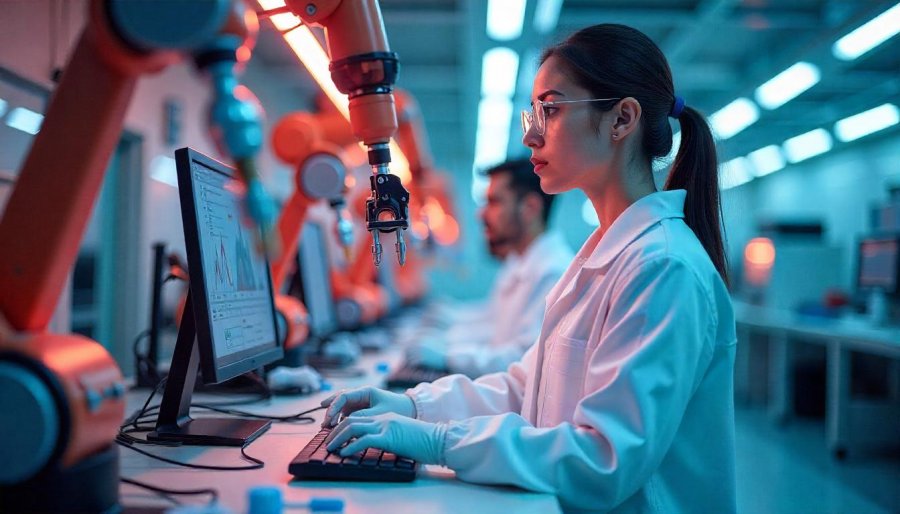
Unveiling Nylon: Its Origins and Hidden Environmental Toll
Nylon is one of the most familiar synthetic fibers we see every day, from the clothes we wear to the carpets under our feet. Introduced in the 1930s, it revolutionized textiles by offering a durable, elastic, and affordable alternative to natural fibers like silk and cotton. Its versatility made it a staple in everything from fashion to industrial products, transforming industries and lifestyles alike. But beneath this convenience lies a complex environmental story that often remains unnoticed.
The production of nylon depends heavily on fossil fuels—mainly oil and natural gas. These non-renewable resources are extracted through disruptive processes that deplete reserves and harm ecosystems. Once refined, these fuels are transformed into chemical building blocks such as hexamethylenediamine and adipic acid. These chemicals undergo energy-intensive reactions to create nylon’s long polymer chains, which are then spun into fibers. This entire process consumes vast amounts of energy and releases pollutants into air and water, contributing significantly to industrial pollution.
Beyond manufacturing, nylon’s environmental impact persists through its disposal. Unlike organic materials, nylon is resistant to natural degradation, meaning it can linger in landfills for hundreds of years. As it breaks down, it fragments into tiny microplastics that contaminate soils and waterways. These microfibers are ingested by wildlife—from fish and seabirds to marine mammals—and often find their way into the human food chain. This persistent pollution threatens biodiversity and disrupts ecological balances on a global scale.
Every time nylon garments are washed, microfibers are shed and released into water systems. These tiny particles easily bypass filtration, entering rivers, lakes, and oceans. Marine life ingests these microplastics, leading to bioaccumulation that can affect entire food webs. Over time, the accumulation of nylon microfibers in ecosystems has become a significant contributor to the global microplastic crisis, with potential health risks for humans as well.
Nylon’s durability also means it accumulates in soils, interfering with microbial communities and plant growth. Microplastics settle into sediments and persist for centuries, gradually breaking into even smaller fragments that infiltrate terrestrial food webs. This widespread contamination underscores how nylon pollution extends beyond oceans, impacting land and agriculture alike.
The chemical emissions associated with nylon production—such as volatile organic compounds and greenhouse gases like nitrous oxide—add to its environmental toll. These pollutants contribute to climate change and air quality issues, highlighting the broader consequences of our reliance on synthetic fibers. Recognizing these impacts is vital as nylon’s popularity continues to grow, further expanding its ecological footprint.
Addressing these challenges requires a comprehensive approach. Improving recycling methods, developing biodegradable alternatives, and shifting consumer habits are key steps. Industry innovation and responsible policies can help reduce nylon’s environmental burden, but ultimately, awareness and action from all of us are essential. Only through concerted effort can we mitigate the hidden costs of nylon and protect our planet’s health.
Decoding Nylon: The Chemistry and Manufacturing Process
Nylon is a synthetic polymer known as a polyamide, created through a process called polymerization. Its structure is composed of long chains made up of repeating units derived from monomers like hexamethylenediamine and adipic acid. These monomers are linked via condensation reactions, which release small molecules such as water or ammonia, resulting in durable, elastic fibers renowned for their strength and resistance to wear. This chemical makeup is what gives nylon its versatility, making it a go-to material for textiles, carpets, and industrial uses.
The manufacturing process begins with producing the key monomers from petrochemical sources, primarily crude oil and natural gas. These raw materials undergo refining and chemical processing to yield hexamethylenediamine and adipic acid—crucial building blocks for nylon. Their synthesis involves energy-intensive reactions at high temperatures, often requiring catalysts to facilitate the process. Once these chemicals are produced, they are combined through polymerization, forming long nylon chains that are then melted and extruded through tiny nozzles to create fibers.
These molten nylon fibers are rapidly cooled and spun into threads, which are subsequently woven or knitted into fabrics or used in industrial applications. The entire process depends heavily on fossil fuels, tying nylon’s production directly to non-renewable resources. Extracting and refining oil and gas not only depletes finite reserves but also involves disruptive operations that can damage ecosystems and local communities.
Chemical reactions involved in nylon production emit volatile organic compounds (VOCs) and greenhouse gases, notably nitrous oxide—a potent climate forcer. The energy demands of synthesis and fiber extrusion further contribute to greenhouse gas emissions, amplifying nylon’s environmental footprint. From resource extraction to chemical synthesis, each step requires significant energy input and generates pollutants that impact air and water quality.
Beyond its creation, nylon’s impact persists through its disposal. Its fibers are resistant to natural degradation, meaning nylon waste can remain in landfills for hundreds of years. As it slowly breaks down, it fragments into microplastics, which contaminate soils and waterways. These tiny particles are ingested by marine and terrestrial animals, eventually entering the human food chain, and contributing to the global microplastic crisis.
Understanding how nylon is made highlights the urgent need for sustainable alternatives and better waste management practices. Advances in recycling technologies, such as chemical breakdown into monomers, hold promise for creating a circular lifecycle. Meanwhile, developing bio-based fibers from renewable resources offers a pathway toward reducing dependence on fossil fuels and minimizing environmental harm.
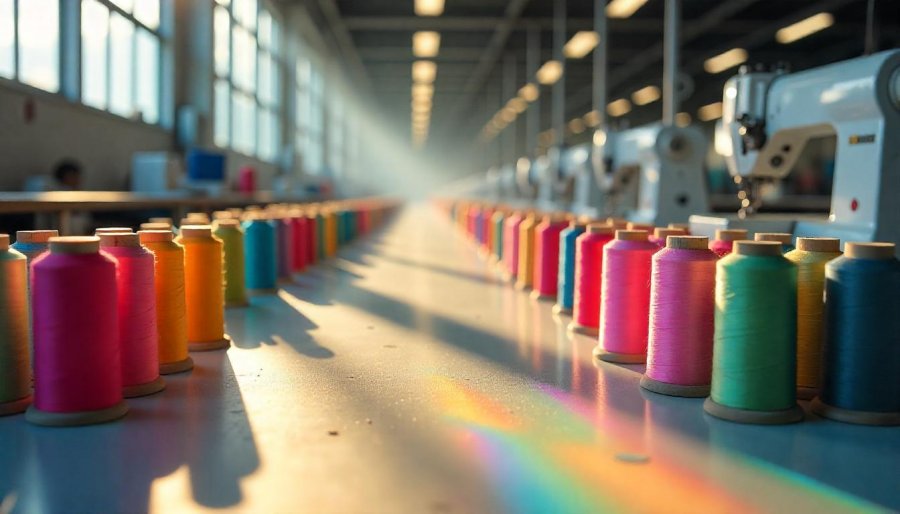
Ecosystem Under Siege: The Environmental Consequences of Nylon
Nylon waste that ends up in landfills can persist for hundreds of years because of its resistant synthetic structure. Instead of decomposing naturally, nylon fibers gradually break into tiny microplastics that contaminate soils and waterways. These microplastics are ingested by a wide range of wildlife—from fish and seabirds to marine mammals—disrupting their health and often entering the human food chain through seafood and agricultural products. The accumulation of these particles weakens ecosystems, impairing biodiversity and destabilizing delicate ecological balances.
When washed, synthetic garments shed microfibers that escape filtration systems and disperse into rivers, lakes, and oceans. Tiny enough to be mistaken for food by marine life, these microplastics are ingested by plankton and small fish, which become prey for larger predators. This process, known as bioaccumulation, leads to the gradual buildup of microplastics in the food web, posing potential health risks for humans who consume seafood. The persistent presence of nylon microfibers in aquatic environments has become a major driver of the global microplastic crisis, threatening marine biodiversity and ecosystem resilience.
Nylon’s durability also means it accumulates in soils, where microplastics settle into sediments and persist for centuries. These fibers interfere with microbial communities essential for soil health and can inhibit plant growth, disrupting agricultural productivity. As microplastics fragment into even smaller particles, they infiltrate terrestrial food webs, affecting earthworms, insects, and crops alike. This land-based pollution extends nylon’s environmental footprint beyond oceans, creating long-term challenges for soil quality and food safety.
Chemical emissions from nylon production amplify its ecological impact. Volatile organic compounds and greenhouse gases such as nitrous oxide are released into the atmosphere and water, contributing to air pollution and climate change. Nitrous oxide is a potent greenhouse gas that accelerates global warming, while VOCs can cause smog formation and respiratory issues. These pollutants underscore how nylon’s lifecycle—from resource extraction to disposal—generates a cascade of environmental harms that extend well beyond its physical presence.
Addressing nylon’s downstream effects requires urgent action. Improving recycling technologies, developing biodegradable fibers, and adopting sustainable manufacturing practices are critical steps. Reducing nylon waste entering ecosystems can help preserve biodiversity, protect human health, and move us closer to a circular, more responsible textile industry. Recognizing the full scope of nylon’s ecological consequences empowers us to make informed choices and advocate for policies that prioritize environmental health over convenience.
Transforming the Future: Strategies to Minimize Nylon’s Environmental Impact
Addressing nylon’s environmental impact calls for a combination of smarter waste management, technological breakthroughs, and a shift in consumer habits. Improving recycling methods is central to managing existing nylon waste more effectively. Mechanical recycling, which involves shredding used nylon products into fibers for reuse, helps divert waste but often results in fibers that degrade with each cycle. Chemical recycling, on the other hand, breaks nylon down into its monomers, allowing for the production of nearly identical new fibers. Scaling up these advanced processes is essential, yet it requires significant investment and energy, making widespread adoption a challenge.
Alongside better recycling, developing sustainable alternatives is vital. Bio-based fibers derived from renewable resources like corn or sugarcane are gaining traction because they naturally break down, reducing microplastic contamination. Recycled fibers made from plastics such as PET bottles turn waste into valuable textiles, lowering reliance on virgin materials. Researchers are also exploring bio-polyamides that imitate nylon’s properties but originate from plant-based sources, promising a future with fewer environmental impacts without sacrificing quality.
Policy frameworks can accelerate progress. Governments can implement stricter regulations on textile waste, incentivize recycling initiatives, and support research into greener materials. Consumers play a crucial role by choosing brands committed to sustainability, opting for products made from recycled or biodegradable fibers, and reducing unnecessary purchases. When demand shifts toward eco-friendly options, industry practices will follow suit, encouraging more responsible production.
Industry leaders are beginning to embrace sustainable practices like zero-waste design and products built for durability and reuse. Investing in repair, modular designs, and circular economy models can significantly cut waste and extend product lifespans. These approaches not only lessen the environmental footprint but also foster a culture of responsible consumption, making sustainability a core value rather than an afterthought.
Technological innovation remains key. Advances in enzymatic breakdown and solvent-based recycling methods are promising paths toward more efficient, less energy-intensive processes. These breakthroughs could enable a true closed-loop system where nylon waste is continually recycled into high-quality fibers. Supporting startups and research institutions working on these solutions will help speed the transition to a more sustainable textile industry.
Finally, raising awareness among consumers about nylon’s environmental costs is critical. Educating the public about the impacts of fossil fuel dependence, microplastic pollution, and long-lasting waste can inspire more responsible choices. When consumers demand transparency and accountability, companies are motivated to improve their practices. Together—through innovation, policy, and conscious consumption—we can reduce nylon’s toll on our planet and build a healthier, more sustainable future.

A Call for Action: Embracing Sustainable Solutions to Protect Our Planet
Nylon’s environmental footprint is undeniable, and addressing it requires immediate and concerted action from all of us—consumers, industry leaders, and policymakers alike. Its dependence on fossil fuels, resistance to natural degradation, and microfiber shedding contribute to a cycle of pollution that threatens ecosystems and human health. We can’t afford to ignore these costs while enjoying the convenience of synthetic fabrics; instead, we must seek smarter, more sustainable solutions.
Recycling technologies are advancing, but they still fall short of fully managing nylon waste. Mechanical recycling helps keep waste out of landfills, but fiber quality diminishes over time. Chemical recycling offers a promising route by breaking fibers down into monomers, allowing for the creation of new, high-quality products. Scaling these methods is crucial to establishing a circular system that minimizes environmental harm and reduces reliance on virgin materials.
Transitioning to alternative fibers made from renewable resources is equally important. Bio-based options like polylactic acid or bio-polyamides are designed to biodegrade naturally, significantly lowering microplastic pollution. Recycling existing plastics into textiles also transforms waste into valuable resources. Supporting innovation in these areas, along with policies that incentivize sustainable practices, can accelerate the shift toward environmentally friendly textiles.
Consumers play a vital role in this transformation. Choosing brands committed to sustainability, prioritizing products made from recycled or biodegradable fibers, and reducing unnecessary purchases all send a powerful message. When demand for eco-conscious products grows, companies are more motivated to adopt responsible practices and transparency in their supply chains.
Industry practices are evolving, with many adopting zero-waste designs and durable, repairable products. Long-lasting garments and modular designs help extend the life cycle of textiles, reducing waste and the need for constant replacement. Investing in repair and reuse initiatives creates a culture of responsibility, making sustainability a core business value rather than an afterthought.
Technological breakthroughs in enzymatic breakdown and solvent-based recycling are promising steps toward more efficient, low-energy processes. These innovations could enable a future where nylon waste is continually recycled into high-quality fibers, closing the loop entirely. Supporting research and startups working on these solutions is essential for a sustainable transformation in the textile industry.
Raising awareness remains crucial. Educating consumers about nylon’s hidden costs—its fossil fuel roots, microplastic shedding, and long-lasting waste—can inspire more responsible choices. Transparency from brands and advocacy for stronger regulations can create a demand-driven shift that pushes the entire industry toward sustainability.
The fight against nylon pollution demands our collective effort. Every step—whether in innovation, policy, or personal choices—brings us closer to a healthier planet. The time to act is now, before irreversible damage occurs. Embracing responsible practices and supporting sustainable alternatives will help safeguard ecosystems, protect public health, and ensure that convenience doesn’t come at the planet’s expense.