



In an era where seamless communication defines business success, Grandstream offers innovative telephony solutions that reshape network efficiency and deployment ease. Their range of IP phones, especially the carrier-grade GRP series, combined with centralized management via GDMS, promises quick, scalable deployment across multiple locations. But how can these customizable devices truly transform your operations? By integrating high-definition audio, advanced call routing, and robust security features, Grandstream’s solutions enable organizations to tailor their communication ecosystems to meet evolving demands. The shift from traditional landlines and bulky PBX systems to flexible, cloud-managed VoIP technology not only reduces costs but enhances agility and responsiveness. As your business grows, how will you adapt your communication infrastructure? With Grandstream’s scalable, secure, and easy-to-manage devices, you’re empowered to build a future-proof network that supports remote work, streamlines workflows, and elevates customer experiences—turning a basic utility into a strategic advantage.
Tailored Telephony Solutions: Your Strategic Advantage in Business Communication
In today’s fast-moving business landscape, effective communication isn’t just a convenience—it’s a critical driver of success. Companies need systems that can keep pace with growth, support remote and hybrid teams, and integrate seamlessly with other digital tools. That’s where customizable telephony solutions come into play. Unlike traditional phone setups that offer limited flexibility, tailored systems allow organizations to design communication networks that fit their unique workflows and evolving needs, providing a strategic advantage in a competitive environment.
One of the key benefits of personalized telephony is flexibility. Businesses can adapt their systems as they expand—adding new locations, onboarding remote staff, or upgrading features—without the costly and disruptive hardware replacements of the past. Instead, many of these updates are managed through cloud platforms or software, enabling quick deployment and scaling. This agility ensures that your communication infrastructure remains aligned with your business goals, helping to boost productivity and improve customer service at every stage of growth.
Designing a communication system around your specific needs also streamlines daily operations. Features like advanced call routing, personalized voicemail, and automated attendants ensure that calls reach the right person at the right time, reducing delays and frustration. Employees benefit from tools tailored to their roles, which can save time and enhance efficiency. Meanwhile, managers enjoy centralized control over the entire system—monitoring performance, managing updates, and troubleshooting issues remotely—without disrupting day-to-day activities. This level of customization transforms your telephony from a basic utility into a strategic asset.
Modern telephony solutions go beyond voice calls by integrating with other essential business tools such as CRM systems, chat applications, and collaboration platforms. This interconnected environment allows teams to respond faster and work more cohesively. For example, a sales rep can access customer data during a call or escalate issues with just a few clicks, all within the same system. These integrations create a unified communication ecosystem that not only elevates efficiency but also enhances the customer experience by enabling more personalized and responsive service.
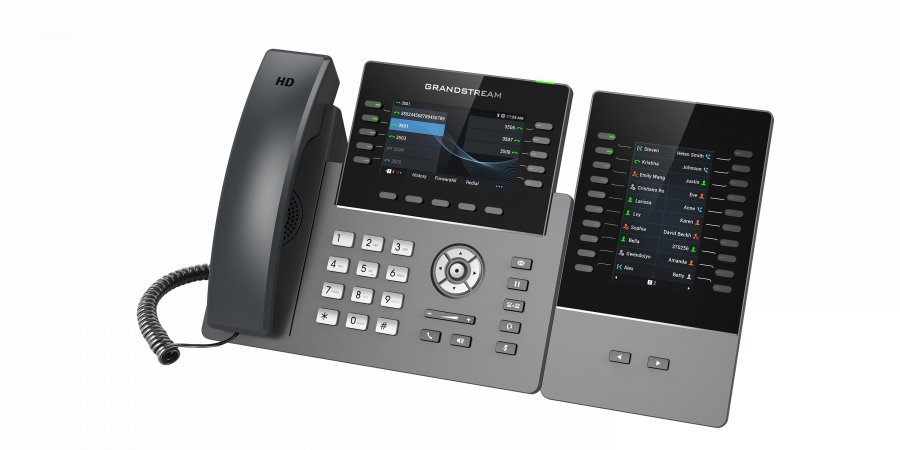
Choosing the right partner to implement these tailored solutions is crucial. Vendors like Grandstream offer a comprehensive portfolio of devices and management tools designed for simple deployment and effortless scalability. Their IP phones feature high-definition audio, customizable keys, and robust security protocols, making them suitable for a variety of roles and environments. Cloud management platforms such as GDMS bring centralized oversight, allowing administrators to configure, monitor, and update devices across multiple locations from a single interface. This combination of flexibility, security, and ease of management ensures your telephony system can grow with your business and adapt to future demands.

The Evolution of Business Telephony: From Landlines to Digital Connectivity
Modern telephony has shifted dramatically from its landline roots to embrace the digital age, offering a range of solutions that prioritize flexibility, scalability, and integration. At the core of this evolution is VoIP—Voice over Internet Protocol—a technology that converts spoken words into digital data packets transmitted over broadband networks. This shift not only reduces costs but also opens the door to features and functionalities that traditional systems can’t deliver, making it essential for businesses aiming to stay competitive and agile.
Unlike conventional phones tethered to dedicated copper lines, IP phones connect directly to the internet or local networks. These devices are designed with features like high-definition audio, programmable keys, and seamless integration with business applications, supporting remote workforces and multi-location setups. Their versatility allows organizations to deploy them across offices, home offices, and mobile environments, ensuring consistent call quality and user experience no matter where employees are located. This flexibility is key to building a modern, personalized communication network.
Managing VoIP systems involves a suite of protocols and management tools that ensure efficiency and security. Session Initiation Protocol (SIP) handles call setup, management, and termination, acting as a digital handshake between devices. Real-time Transport Protocol (RTP) takes care of delivering voice data in a steady stream, maintaining sound clarity and avoiding interruptions. Network management platforms monitor traffic flow, diagnose issues swiftly, and optimize performance, preventing disruptions before they impact operations. Security measures like encryption and firewalls protect sensitive conversations from eavesdropping and cyber threats, which become increasingly critical as digital communication expands.
This technological transition reflects broader shifts in business IT infrastructure—from early reliance on landlines and traditional PBX systems to the adoption of cloud-based, internet-driven communication solutions. While landlines offered reliable voice connections, they lacked scalability and advanced features. PBX systems introduced internal routing and automation but still depended heavily on physical hardware and dedicated lines. Today, VoIP solutions leverage the internet’s power, dramatically lowering operational costs and enabling features like call forwarding, voicemail-to-email, and conference calls to become standard. Cloud platforms now centralize management, allowing for rapid deployment, remote configuration, and seamless scalability, giving organizations the agility to adapt quickly to changing demands.
Deploying an effective telephony system requires strategic planning to maximize call quality and network resilience. Ensuring sufficient bandwidth and properly configuring Quality of Service (QoS) settings prioritize voice traffic, maintaining clear, uninterrupted calls even during peak network usage. Segmenting the network with VLANs for voice and data traffic reduces latency and interference, leading to more stable communication. Regular firmware updates and security patches are essential to patch vulnerabilities and improve device performance. These best practices help establish a robust, high-performing infrastructure that can support your business’s current needs while remaining adaptable for future growth, ensuring reliable and professional communication at all times.
Grandstream’s Solutions: Elevating Network Efficiency and Seamless Deployment
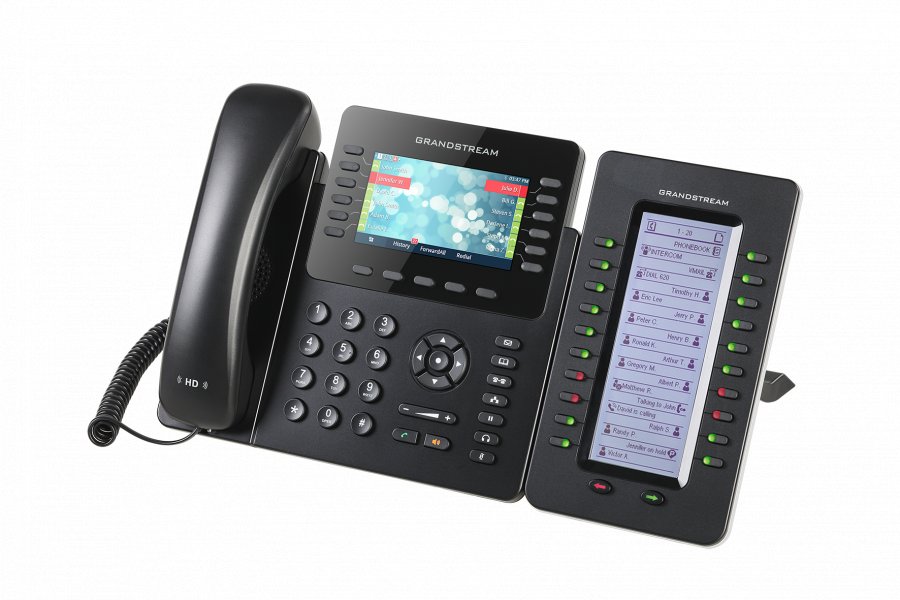
Grandstream’s devices and solutions are designed to streamline network management and elevate communication efficiency, making it easier for businesses to deploy and scale their telephony systems. Their range of IP phones, particularly the GRP series, offers reliable, high-quality communication tools that integrate seamlessly with existing infrastructure. These phones deliver features like high-definition audio, programmable keys, and robust security, all packed into user-friendly designs that support quick adoption. Whether outfitting a small office or a large enterprise, Grandstream’s devices are built to grow with your organization, ensuring a future-proof investment.
One of the standout features of Grandstream’s offerings is their compatibility with cloud-based management platforms such as GDMS. This centralized control panel allows administrators to configure, monitor, and troubleshoot devices across multiple locations from a single interface. Deploying new phones or updating existing hardware no longer requires manual, on-site intervention. Instead, changes can be made remotely in real time, drastically reducing setup time and minimizing operational disruptions. This ease of management helps organizations maintain consistent communication standards while freeing up IT resources for other strategic priorities.
The design philosophy behind Grandstream’s phones emphasizes simplicity without sacrificing functionality. High-definition audio quality ensures crystal-clear conversations, while programmable keys enable quick access to frequently used features or speed dial contacts. Security protocols like encryption and secure boot protect sensitive conversations from cyber threats, which is increasingly important as communication channels become more digital and interconnected. These features combine to create a reliable, secure environment that users can trust for everyday business interactions.
Scalability is another key advantage. As your business expands, adding new devices is straightforward. Grandstream’s solutions support mass deployment, allowing organizations to quickly scale up their communication infrastructure without the chaos of replacing hardware or disrupting workflows. The modular architecture means you can start small and grow into a comprehensive system, knowing that your investment will support your needs both now and in the future. This flexibility helps prevent the typical bottlenecks associated with hardware-centric upgrades and ensures your telephony system remains agile.
Network optimization is embedded into Grandstream’s device ecosystem. Features like Quality of Service (QoS) prioritization ensure voice traffic is always given precedence, maintaining clear, uninterrupted calls even during busy network periods. Proper network segmentation, such as VLAN setup, minimizes latency and interference, further enhancing call stability. Firmware updates and security patches are managed remotely through GDMS, keeping devices protected against vulnerabilities and performance issues without the need for manual intervention. This proactive approach maximizes uptime and reliability, critical for maintaining professional communication channels.
Integrating Grandstream’s devices into your business isn’t just about hardware—it’s about transforming your entire communication environment. Their solutions support seamless interconnection with CRM systems, collaboration tools, and other digital platforms, creating a unified ecosystem that enhances responsiveness and customer service. Whether your team works remotely or on-site, these devices enable a cohesive, efficient workflow that adapts to your operational demands. With their focus on ease of deployment, security, and scalability, Grandstream’s solutions turn complex network management into a straightforward process, empowering your organization to communicate smarter, faster, and more securely.