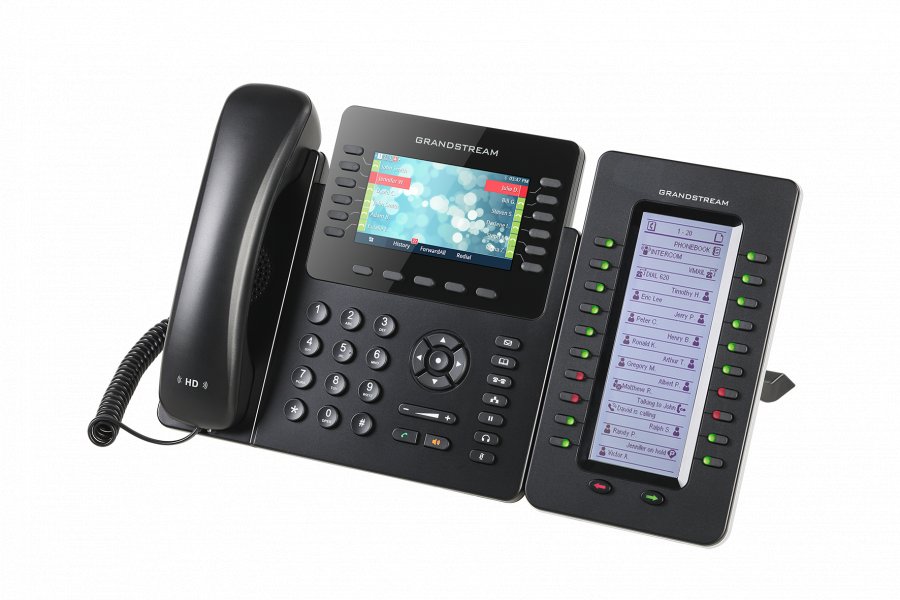




In an era where communication is the backbone of business success, customized telephony solutions are revolutionizing how organizations connect, respond, and grow. Think a tailored system can’t make a difference? Grandstream’s innovative devices, like the GRP series IP phones managed through centralized platforms such as GDMS, prove otherwise. They transform basic calls into strategic tools, streamlining workflows, enhancing responsiveness, and elevating customer experiences. As technology advances with AI-driven features, IoT integrations, and cloud scalability, the potential for smarter, more connected communication ecosystems becomes undeniable. But are your current systems prepared to harness these future innovations? Embracing personalized telephony isn’t just a trend—it’s a strategic move towards resilience and growth. With the right solutions, businesses can navigate the evolving digital landscape confidently, turning everyday interactions into competitive advantages. So, are you ready to unlock the full power of customized telephony and stay ahead in a rapidly changing world?
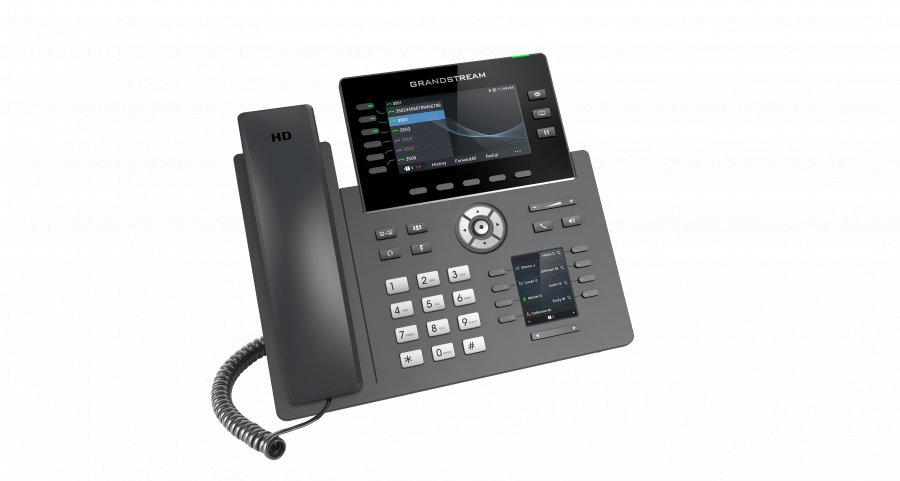
Transform Business Communication with Customized Telephony Solutions
In today’s fast-paced business world, clear and reliable communication is crucial for success. Customized telephony solutions transform basic phone systems into strategic assets tailored specifically to an organization’s unique needs. Instead of relying on generic setups, businesses can design systems that streamline interactions, improve responsiveness, and project a professional image. This personalized approach ensures that every call, message, or conference is handled efficiently, reducing misunderstandings and delays.
Tailoring telephony isn’t just about adding features; it’s about creating a seamless experience for both employees and customers. When call routing, voicemail, and device management are customized, teams spend less time troubleshooting and more time focusing on their core tasks. For example, call forwarding can be configured to direct urgent inquiries straight to mobile devices, ensuring critical issues are addressed without delay. These small adjustments make a big difference in overall productivity and customer satisfaction.
Modern solutions leverage cloud management and centralized control, making deployment and adjustments straightforward. Devices like Grandstream’s IP phones support remote configuration, mass deployment, and ongoing monitoring, simplifying the scaling process as your business grows. This flexibility allows organizations to adapt quickly to changing demands—whether expanding to new locations or integrating new digital tools—without disrupting daily operations.
Personalized telephony also enhances employee confidence and satisfaction. When staff have access to features like conference calling, call transfers, and voicemail that match their routines, they feel more connected and capable. This sense of control translates into better service and a more positive experience for customers, who appreciate quick, reliable responses. In this way, customized systems foster a proactive communication culture that benefits everyone involved.
Implementing these tailored solutions involves selecting the right hardware and management platforms. Cloud-based tools such as GDMS from Grandstream simplify ongoing maintenance, allowing remote updates, troubleshooting, and monitoring. This reduces operational costs and ensures systems stay secure and up to date, supporting long-term growth and resilience. Proper training is also key—when employees understand how to maximize telephony features, the entire organization reaps the benefits.
As technology evolves, the importance of customization continues to grow. Future innovations like AI-driven call handling and IoT integrations will further enhance communication efficiency. Investing in flexible, scalable systems today positions businesses to leverage these advancements tomorrow. Customized telephony isn’t just a convenience; it’s a strategic move that can elevate business performance, improve customer engagement, and prepare your organization for the digital future.
Tracing the Evolution from Traditional to Modern Telephony Systems
Telephony has come a long way since Alexander Graham Bell’s invention of the practical telephone in the late 1800s. Initially, systems were simple landlines connecting homes and offices with only basic voice capabilities. As technology advanced, analog switching systems introduced some flexibility, such as call forwarding and voicemail, but these features were often limited and costly. The evolution from these early days set the stage for more sophisticated, adaptable solutions.
The shift to digital and IP-based systems marked a significant turning point. Digital switching in the mid-20th century enabled more complex call routing and management, making telephony more suitable for business needs. Then, the late 1990s saw the rise of Voice over Internet Protocol (VoIP), which transformed the landscape by allowing voice calls over the internet. VoIP dramatically reduced costs and introduced features like seamless integration with digital tools, opening new possibilities for customization and scalability.
Modern telephony builds on these innovations, emphasizing flexibility, scalability, and ease of management. Cloud platforms now allow businesses to deploy, configure, and monitor their communication systems remotely, often supporting mass deployment with devices like Grandstream’s IP phones. This shift has turned telephony from a basic utility into a strategic asset that supports complex workflows and global connectivity, enabling organizations to operate more efficiently across multiple locations.
The ongoing move toward smarter, connected systems continues to accelerate. Today’s solutions support not only voice but also video, messaging, and AI-powered features. These enhancements aim to improve user experience and operational efficiency, providing real-time insights, automated call handling, and personalized interactions. Despite challenges like interoperability and security, the industry’s focus on open standards and centralized management helps organizations navigate the complexities and future-proof their investments.
Understanding this history highlights how far communication technology has advanced. From simple landlines to sophisticated, cloud-managed systems, each development aimed to improve user experience, security, and adaptability. Recognizing this progression underscores the importance of adopting modern, customized telephony solutions today—tools that empower businesses to stay agile and competitive in an increasingly digital world.

Navigating Today’s Telephony Landscape: Devices, Standards, and Practices
Today’s telephony landscape is driven by advanced technologies that prioritize flexibility, scalability, and a user-centric approach. Voice over Internet Protocol (VoIP) remains the standard protocol, enabling voice calls over the internet while offering features like call forwarding, conferencing, and seamless integration with other digital platforms. This shift from traditional landlines has significantly lowered costs and opened up new opportunities for customization, allowing organizations to craft communication systems tailored precisely to their needs.
Devices like Grandstream’s IP phones, especially the GRP series, exemplify current industry standards. Designed for mass deployment, they support cloud provisioning and centralized management, which makes configuration, monitoring, and troubleshooting more efficient. This capability is especially valuable for organizations with multiple locations or rapidly growing teams, simplifying scaling efforts and reducing maintenance time.
User-friendly design is a key focus for manufacturers, with devices supporting easy setup and integration with digital tools like CRM systems and collaboration platforms. These integrations streamline workflows, making communication more responsive and reducing the time employees spend switching between applications. The result is improved productivity and a more connected, efficient work environment.
Security and interoperability continue to be top priorities. As more systems migrate to the cloud, encryption and regular updates are essential to protect sensitive data. Simultaneously, ensuring compatibility between devices from different vendors can be challenging. Many organizations rely on open standards and supported protocols, which device manufacturers like Grandstream extensively support, to ensure seamless operation and future-proof investments.
Cloud-based management platforms, such as GDMS from Grandstream, are increasingly common. They enable centralized device configuration, remote monitoring, and firmware updates, which save time and operational costs. This scalability allows businesses to adapt quickly to changing demands, whether expanding to new locations or integrating new digital tools without sacrificing reliability or security.
Emerging trends include AI-powered features like smart call routing, real-time transcription, and voice recognition. These innovations aim to enhance user experience and operational efficiency by providing instant insights and suggestions during calls. IoT integration is also gaining traction, connecting telephony devices with other smart systems within organizations to automate routine tasks and optimize workflows.
Despite these technological advances, challenges such as platform interoperability and maintaining security persist. However, devices that support open standards and centralized management—like Grandstream’s IP phones—help mitigate these issues by simplifying deployment and ongoing maintenance. As the industry continues to evolve, the focus remains on delivering solutions that are not only innovative but also reliable and adaptable to future needs.
Real-World Impact: How Businesses Deploy Customized Telephony
Customized telephony solutions are transforming daily business communications across industries. Small startups and multi-location companies alike benefit from cloud-managed IP phones like Grandstream’s GRP series, which enable quick setup and reliable connectivity. These devices can be remotely configured and monitored, eliminating lengthy installations and reducing technical overhead. This flexibility allows teams to focus on core tasks while maintaining consistent, professional contact with clients and partners.
Larger organizations often deploy tailored call routing and advanced voicemail systems to handle high call volumes efficiently. Automating call distribution ensures inquiries reach the right department or individual without delay, significantly improving customer experience. For instance, support lines that automatically direct urgent calls to specialists minimize wait times, fostering a reputation for responsiveness and professionalism that customers value.
Retail chains and service providers leverage customized solutions to support mobile and remote staff, ensuring seamless communication regardless of location. Mobile apps and softphones enable employees to answer calls on the go, maintaining responsiveness and service quality. This flexibility is vital in today’s fast-paced environment where quick, reliable responses can influence customer loyalty and satisfaction.
In sectors like healthcare and finance, security and privacy are paramount. Personalized telephony systems incorporate encrypted calls, secure voicemail, and strict access controls to protect sensitive data. These features help organizations meet compliance standards while streamlining workflows—whether managing patient appointments or handling confidential financial transactions—without sacrificing security or efficiency.
Implementing these tailored systems extends beyond hardware. Centralized management platforms such as GDMS from Grandstream simplify deployment, configuration, and ongoing maintenance across multiple sites. Remote updates, troubleshooting, and performance monitoring streamline operations and reduce costs. Proper training ensures staff fully utilize system features like call forwarding, conference capabilities, and voicemail, maximizing the return on investment. Together, these elements create a communication ecosystem that enhances operational efficiency, elevates customer service, and adapts effortlessly to changing business needs.
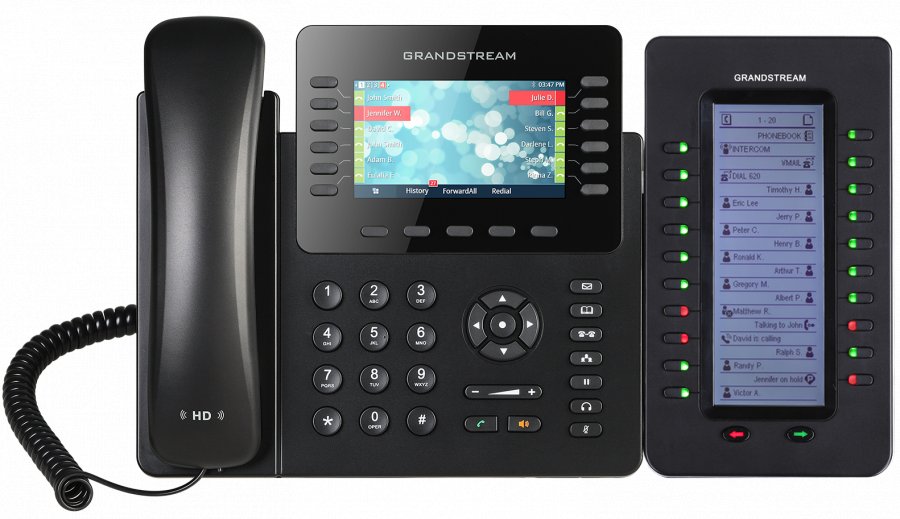
Preparing for Tomorrow: Future Trends and Innovations in Telephony
The future of telephony is set to be reshaped by groundbreaking technologies that will elevate how organizations communicate and collaborate. Artificial intelligence (AI) is poised to play a central role, enabling smarter call routing, real-time transcription, and voice recognition. These features will make interactions more personalized and efficient, helping businesses respond faster to customer needs while streamlining internal workflows. As AI continues to evolve, we can expect systems that analyze conversations on the fly, offering instant insights and even suggesting optimal next steps—significantly boosting productivity and service quality.
At the same time, the Internet of Things (IoT) will deepen integration between telephony devices and other smart systems within organizations. Imagine phones that seamlessly interact with security, lighting, or customer relationship management platforms, creating an interconnected environment that automates routine tasks. This connectivity will allow organizations to operate more proactively, reducing manual work and enabling quicker, data-driven decisions. Investing in open-standard compatible systems now will position businesses to leverage these IoT advancements as they become mainstream.
Cloud technology will continue to advance, offering even more scalable, secure, and flexible solutions. Future telephony platforms will support effortless upgrades, remote management, and detailed analytics, allowing organizations to adapt rapidly without disrupting operations. Prioritizing cloud-based, future-proof systems will be essential for maintaining agility and resilience in a landscape that’s constantly shifting. These developments will make it easier to incorporate new features and integrations, ensuring your communication infrastructure remains aligned with evolving business needs.
Preparing for these innovations requires a mindset of continuous learning and adaptation. Exploring emerging tools, staying informed on industry standards, and choosing scalable, adaptable devices will help build a future-ready communication setup. Training staff to utilize AI-driven features or IoT integrations will maximize the benefits of these systems, turning everyday communication into a strategic advantage. Embracing change now will ensure your organization can capitalize on the opportunities that tomorrow’s telephony solutions will bring.
Telephony systems will become more intelligent and interconnected, creating seamless and dynamic communication ecosystems. Companies that invest in flexible, customizable solutions—like those supported by Grandstream’s devices—can stay ahead of the curve as new standards and innovations emerge. Viewing telephony not merely as a utility but as a strategic asset will unlock new levels of efficiency, customer engagement, and growth. Staying proactive in exploring and adopting these advancements will be key to maintaining a competitive edge in an increasingly digital world.
Ultimately, the evolution of telephony points toward smarter, more integrated, and highly adaptable communication environments. Organizations that embrace these trends now will not only improve their operational efficiency but also enhance their ability to serve customers in real time. The next generation of telephony promises to make interactions more intuitive and responsive, transforming the way businesses operate and connect. By staying informed and agile, companies can harness these innovations to unlock new opportunities and secure long-term success.