



Step into the exhilarating world of 1970s American muscle cars with the Chevrolet SS—a symbol of raw power, bold style, and rebellious spirit. These vehicles weren’t merely transportation; they embodied an era of swagger, freedom, and performance mastery, with legendary engines like the 454 V8 roaring through iconic designs that continue to captivate today. But why do these classics endure as cultural icons, inspiring modern automotive innovation and passionate communities? From their aggressive aesthetics to their storied history of pushing boundaries, the Chevrolet SS represents more than just horsepower—it’s a tangible link to a golden age of motorsport rebellion. Restoring and owning one is a journey of passion, craftsmanship, and legacy. Yet, what does it truly take to preserve these symbols of American ingenuity? As their influence grows and collector interest surges, these cars remain much more than relics—they are living legends that continue to ignite the imagination and spirit of car enthusiasts worldwide.
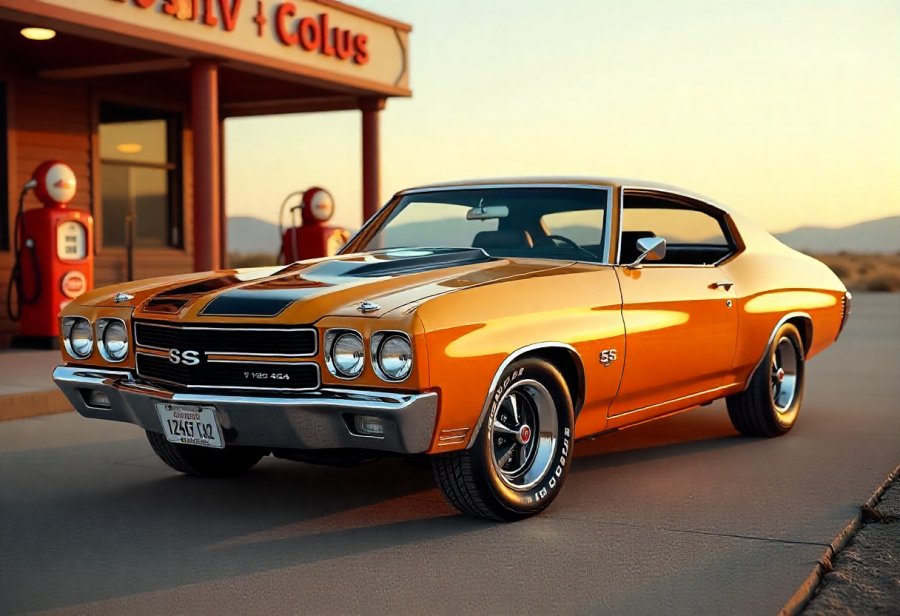
The Iconic Spirit of the 1970s Chevrolet SS: Power, Style, and Rebellion
The 1970s Chevrolet SS stands as a defining icon of the muscle car era, capturing the bold spirit and raw power that defined American performance cars. These vehicles weren’t just about getting from point A to B—they were statements of attitude, independence, and speed. With their aggressive styling, muscular contours, and roaring engines, Chevrolet’s muscle cars became symbols of rebellion and freedom during a time when automotive culture was at its peak.
What made the Chevrolet SS particularly significant was its place in a cultural movement that celebrated horsepower and individualism. These cars, often equipped with legendary big-block engines like the 454 cubic inch V8, delivered staggering performance that turned heads and created excitement on the streets. Their eye-catching designs, from cowl-induction hoods to racing stripes, made them instantly recognizable and deeply rooted in American muscle car identity.
During this period, muscle cars like the Chevrolet SS weren’t just about speed—they embodied a lifestyle. They represented a break from convention, a way for drivers to express personality and defy norms. Car shows, magazines, and movies showcased these vehicles as symbols of power and rebellion, embedding them into the fabric of pop culture and everyday life.
The significance of the Chevrolet SS extends beyond its mechanical prowess. It embodies a moment in history when automotive innovation and daring design went hand in hand. Despite the challenges of rising fuel prices and tightening emissions standards later in the decade, the legacy of these cars endured. They laid the groundwork for future muscle car designs and continue to inspire enthusiasts today.
Restoring and owning a Chevrolet SS isn’t just about nostalgia—it’s about preserving a piece of American automotive history. These cars serve as tangible links to an era when horsepower was king, and style was just as important as speed. Their enduring appeal lies in their ability to evoke a sense of freedom and adventure, reminding us why muscle cars remain an iconic staple of American culture.
The Golden Age of American Muscle: Trends, Triumphs, and Challenges of the ’70s
The 1970s marked the peak of the American muscle car phenomenon, a time when automakers competed fiercely to create the most powerful and eye-catching performance machines on the road. This era was driven by a cultural obsession with speed, rebellion, and individuality, all expressed through bold designs and thunderous engines. Muscle cars became symbols of American ingenuity and freedom, capturing the imagination of enthusiasts and everyday drivers alike.
Engine performance pushed to new heights during this period, with legendary powerplants like the 454 cubic inch V8 delivering blistering acceleration and a distinctive growl that defined muscle cars. Visually, these cars sported wide stances, hood scoops, racing stripes, and vibrant paint jobs—all crafted to make a statement. The focus extended beyond mere speed; it was about creating a bold aesthetic that shouted confidence and attitude.
This era also saw the rise of car culture as a lifestyle. Muscle cars weren’t just about transportation—they embodied self-expression and rebellion against the mundane. Car shows, magazines, and movies celebrated these vehicles, embedding them deeply into American pop culture. They symbolized freedom on open roads and the thrill of defying convention, inspiring a generation to chase horsepower and style.
However, as the decade progressed, challenges emerged. Rising fuel prices, stricter emissions standards, and higher insurance costs began to curb muscle car enthusiasm. Automakers started dialing back horsepower and shifted focus toward more comfortable, fuel-efficient designs. Despite this decline, the legacy of the muscle car boom persisted, laying the foundation for future innovations and continued influence on car design.
The design language established during this golden age—muscular bodies, aggressive front fascias, and performance-oriented details—still resonates today. Many modern vehicles borrow from the bold aesthetics of the ’70s, paying homage to that era of unrestrained power and style. The cultural imprint remains strong, with classics like the Chevelle SS 454 and Firebird Trans Am standing as enduring symbols of American muscle.
This period was more than just a chapter in automotive history; it was a movement that celebrated raw power and daring design. The innovations, styles, and rebellious spirit of the 1970s continue to inspire car enthusiasts and manufacturers alike. Their influence endures in modern muscle cars and in the ongoing passion for American horsepower, ensuring that the legend of the ’70s muscle car era remains alive and well.
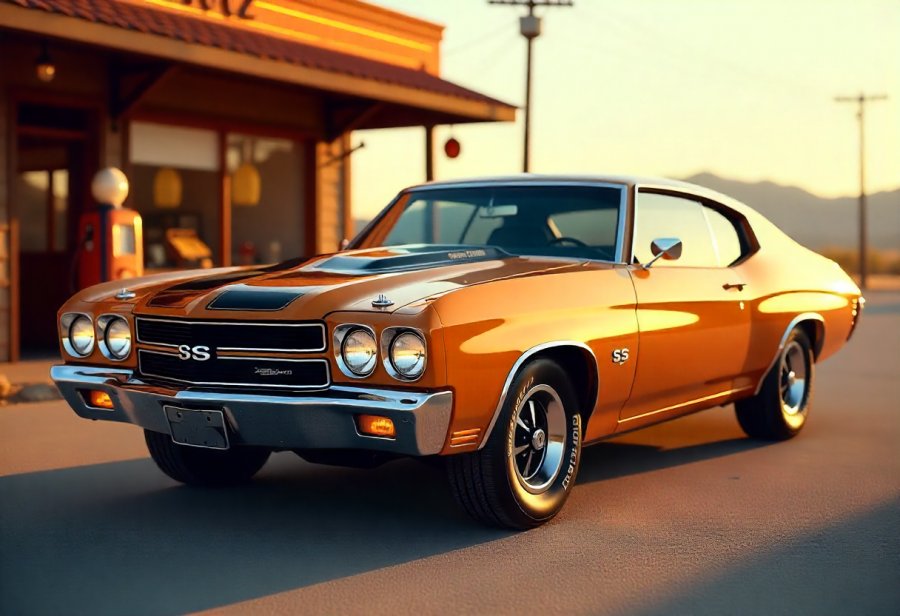
Legacy and Passion: How the Chevrolet SS Continues to Inspire Today’s Car Culture
Today, the Chevrolet SS from the 1970s holds a special place in the hearts of car enthusiasts and collectors. These vehicles are celebrated not just for their nostalgic charm but for their undeniable role as icons of American muscle. Restored models often command impressive prices at auctions and car shows, reflecting their enduring value and the passion they inspire. Their bold styling, roaring engines, and undeniable presence continue to turn heads, serving as living links to an exhilarating era of automotive innovation and rebellion.
The influence of the Chevrolet SS extends far beyond its original production run. Its design cues—wide stances, aggressive lines, and distinctive badging—are frequently echoed in modern muscle-inspired cars. Automakers pay homage by incorporating these elements, keeping the spirit of ’70s muscle cars alive and relevant. This ongoing design language helps new generations appreciate the raw power and bold aesthetics that defined the golden age of American performance cars.
Beyond aesthetics, the reputation for performance that the Chevrolet SS built in its heyday still resonates today. The thunderous growl of its big-block engines and its reputation for unrestrained power have cemented its status as a benchmark among muscle cars. This legacy fuels a dedicated community of owners and fans who celebrate these vehicles through clubs, car meets, and social media, ensuring that the culture remains vibrant and alive.
In recent years, demand for vintage Chevrolet SS models has surged. Rare and well-preserved examples often fetch premium prices at auctions, driven by nostalgia and recognition of their collectible value. This trend highlights how these cars are not only symbols of the past but also smart investments, with appreciation likely to grow as more enthusiasts seek a piece of muscle car history. Restoring and maintaining these vehicles isn’t just about preservation—it’s about safeguarding a piece of American automotive culture for future generations.
Owning a vintage muscle car like the Chevrolet SS transforms the everyday driving experience. These cars become more than just transportation; they turn into rolling expressions of personality and rebellion. Whether cruising down a sunlit highway or gathering at a car show, the roar of the engine and striking design make each moment memorable. This cultural impact creates a sense of community among owners who share a passion for preserving and celebrating the legacy of American muscle.
In the end, the Chevrolet SS of the ’70s isn’t just a relic of the past—it’s a symbol of boldness, innovation, and freedom that continues to inspire. Its legacy influences modern automotive design and passions, reminding us why muscle cars remain a defining part of American culture. These cars embody the spirit of raw power and individuality, inviting new generations to experience the thrill of true horsepower and the timeless allure of American muscle.
Investing in Power: Cost, Restoration, and Value of the Classic Chevrolet SS
Owning a vintage 1970s Chevrolet SS is as much a financial commitment as it is a passion project. The initial purchase price can vary widely, depending on the car’s condition, rarity, and originality. A project car needing significant work might be available for just a few thousand dollars, but a fully restored, show-quality model can easily surpass $50,000. Setting realistic expectations from the start helps avoid surprises and ensures you’re prepared for the journey ahead.
Restoration costs tend to be the biggest expense. Authentic parts—especially those that are period-correct—can be rare and pricey. Sourcing these parts often involves hunting through specialty suppliers, salvage yards, or online marketplaces, which adds to the overall budget. Labor is another significant factor, whether you’re doing the work yourself or hiring professionals. Restoring a muscle car involves stripping rust, repairing dents, repainting, and reassembling—all of which require time, skill, and patience, translating into considerable costs.
Maintenance for these vintage vehicles isn’t like modern cars. Older engines and mechanical systems demand regular attention, and parts like carburetors, suspensions, or electrical components can be hard to find and expensive to replace. Keeping your Chevrolet SS in top shape involves ongoing investment, but many owners see this as part of the experience, enjoying the process as much as the results. Proper maintenance not only preserves the car’s personality but also helps protect its value over time.
Despite the expenses, these cars often prove to be long-term investments. Well-maintained or restored models tend to appreciate, especially as muscle cars grow more collectible. Their cultural significance and limited availability drive demand, and a carefully restored Chevrolet SS can fetch a premium price years down the line. For those new to the scene, options like late ’80s or early ’90s muscle cars offer more budget-friendly entry points with similar aesthetic appeal.
Balancing passion with practicality is key. Developing a detailed budget that includes purchase, restoration, and ongoing maintenance helps prevent financial strain. It’s wise to prioritize quality parts and skilled labor to ensure the vehicle’s authenticity and future value. This approach makes owning a classic muscle car a rewarding experience, blending the thrill of driving with the satisfaction of preserving a piece of American automotive history.
The decision to restore or collect a Chevrolet SS should consider both emotional and financial factors. While the upfront costs can be substantial, the joy of bringing a classic back to life and the pride of ownership often outweigh the expenses. Plus, with the rising interest in vintage muscle cars, your investment could grow in value, adding a layer of smart financial planning to your passion.
Ultimately, owning a 1970s Chevrolet SS is about more than just the dollar signs. It’s about engaging with a piece of American muscle car heritage—an icon of raw power and bold style. With careful planning and a clear understanding of the costs involved, you can enjoy the process and the payoff, knowing you’re part of a timeless legacy that continues to inspire car lovers worldwide.

Living the Legacy: How Vintage Muscle Cars Transform Daily Life and Fuel Community
Owning a vintage muscle car like a 1970s Chevrolet SS transforms daily driving from routine to remarkable. These cars are more than just transportation—they turn heads and spark conversations wherever they go. Whether cruising down a sunlit highway or parking at a local meet, the deep growl of the engine and eye-catching design make every moment feel special. It’s a statement of personality and a way to stand out in a sea of modern vehicles.
Beyond the streets, these cars foster a vibrant community of enthusiasts. Restoring and maintaining a muscle car involves hands-on skills that create a personal bond with the vehicle. Sourcing authentic parts, tinkering with mechanical details, and fine-tuning everything from ignition to suspension become more than chores—they’re acts of craftsmanship and pride. Sharing stories at car shows or online forums deepens connections, turning a hobby into a lifestyle.
Restoration itself is a journey of patience and perseverance. Watching a neglected shell evolve into a gleaming, roaring machine offers a sense of accomplishment that’s hard to match. Many owners dedicate years to rebuilding their Chevelle or Camaro, hunting down rare parts and meticulously restoring every detail. The process demands time and effort, but the reward is a vehicle that captures the spirit of the muscle car golden age—powerful, stylish, and unmistakably American.
Owning such a car also influences how owners engage with car culture. The thrill of driving a piece of history is paired with the joy of sharing that passion. Participating in local shows, road trips, or club events transforms casual outings into memorable experiences. Every ride becomes an opportunity to relive the adrenaline and rebellion of the ’70s, reinforcing a sense of belonging among fellow enthusiasts.
The impact extends beyond individual ownership. Vintage muscle cars like the Chevrolet SS serve as symbols of freedom and innovation, inspiring new generations. They influence modern design, with automakers borrowing bold lines and aggressive aesthetics from that era. Each restored car becomes a rolling ambassador of American horsepower, connecting past and present in a shared love for raw power and style.
Ultimately, owning a classic muscle car isn’t just about the vehicle itself. It’s about embracing a legacy—one built on passion, craftsmanship, and community. These cars do more than move—they stir emotions, ignite imaginations, and keep alive the daring spirit of American muscle. Every rev of the engine and every shared story helps ensure that the roar of the ’70s muscle car era continues to resonate today.