




Learning to ride a bike is more than a childhood milestone; it embodies resilience, independence, and the power of family support. But does the thrill of freedom outweigh the fear of falling? This heartfelt guide explores how shared encouragement turns wobbling beginnings into triumphant rides, fostering confidence, perseverance, and lasting memories. Through historical insights and modern innovations—from balance bikes to safety gear—it reveals how technological and cultural shifts have made cycling more accessible and safe for children worldwide. The journey of learning to ride not only promotes physical health and social bonds but also imparts vital life lessons about overcoming challenges and taking risks responsibly. As future advancements continue to shape this rite of passage, the core message remains: with patience and support, children can transform fear into courage, discovering that setbacks are simply stepping stones toward self-reliance. Will embracing both safety and adventure unlock a lifetime of confidence on and off the bike?
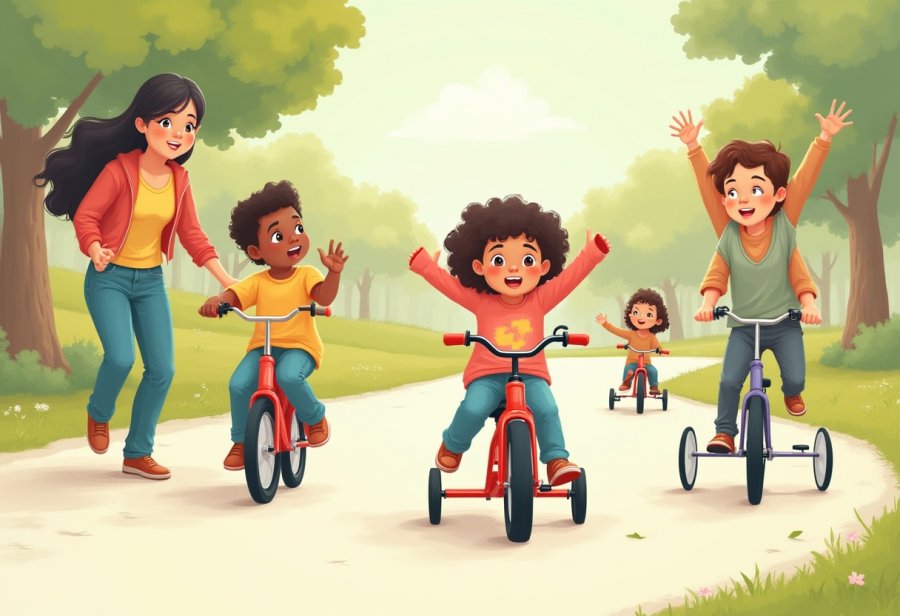
Embracing Growth and Family Bonds Through Learning to Ride
Learning to ride a bike is more than just a childhood milestone; it’s a moment filled with symbolism and emotional significance. For children, it often marks their first taste of independence, a small step toward exploring a bigger world with confidence. These early rides become shared family memories—full of patience, encouragement, and pride—that strengthen bonds and create lasting emotional connections.
This journey isn’t solely about mastering physical skills. It’s about facing fears—whether it’s falling or wobbling—and overcoming them with the support of loved ones. Each wobble and fall becomes a lesson in resilience, teaching kids that setbacks are temporary and part of growth. These moments of struggle are essential in building their confidence and sense of accomplishment.
Family involvement transforms the process into a shared adventure. Whether a parent holds the bike steady or cheers from the sidelines, those small acts of support turn tentative steps into triumphant rides. Celebrating milestones, like balancing independently or pedaling across the driveway, fosters a sense of achievement that resonates beyond the bike itself.
Learning to ride also becomes a rite of passage into independence. It opens new avenues for children to navigate their surroundings—riding to the park, visiting friends, or exploring local neighborhoods—fostering curiosity and self-reliance. The emotional high of finally riding solo often leaves a lasting impression, reinforcing their belief in their own capabilities.
Beyond the physical act, riding a bike teaches resilience, trust, and perseverance—values that extend into other areas of life. These shared experiences of wobbling, falling, and eventually riding confidently help children develop a positive attitude toward challenges. In this way, learning to ride becomes a powerful metaphor for overcoming obstacles with support and courage.
Ultimately, learning to ride a bike is about more than just the skill. It symbolizes growth, independence, and the strength of family bonds. These moments of wobbling and triumph shape a child’s outlook on life, instilling resilience and confidence that will carry them through future challenges and adventures.
Tracing the Roots: How Culture Shapes the Ride of Childhood
The story of learning to ride a bike stretches back over a century, revealing how attitudes toward childhood independence and safety have evolved. In the earliest days, children often learned on homemade or simple bicycles, with parents or older siblings holding the bike steady and guiding their wobbly steps. Ropes, sticks, or gentle pushes were common tools to help them find balance, making the process a slow, trial-and-error journey rooted in patience and direct support.
The invention of the safety bicycle in the late 1800s marked a turning point. Its improved design made riding safer and more accessible, encouraging families to introduce their children to cycling at a younger age. This technological leap shifted the focus from mere mechanics to structured learning, with communities developing systematic methods like training wheels or balance bikes to build confidence in a controlled environment.
Cultural attitudes towards cycling have varied widely across regions and eras. In many Western countries, bikes quickly became symbols of independence and personal freedom, often regarded as an essential skill for growing up. Schools and families actively promoted riding as a rite of passage, emphasizing self-reliance and adventure. Meanwhile, in parts of Asia and other regions, cycling is deeply woven into daily life, with children learning informally from family members in safe, familiar settings such as quiet neighborhoods or open fields. These differences reflect broader societal values—whether prioritizing individualism or community.
Throughout the 20th century, advances in bike technology and safety gear further transformed the learning experience. Lightweight frames, adjustable components, and protective equipment like helmets made riding safer and more appealing. The introduction of balance bikes without pedals helped young children develop a strong sense of balance before pedal mastery, easing the transition and reducing fears of falling. These innovations fostered a culture that balances adventure with responsibility, encouraging more children to learn confidently.
Despite these progressions, disparities remain. Not all communities have equal access to quality bikes, helmets, or organized training programs, which can hinder some children from learning with confidence. Cultural norms and safety perceptions also influence how quickly and easily kids are introduced to riding. Recognizing and addressing these gaps is key to making cycling a universal childhood experience—one that empowers children everywhere to enjoy the freedom and resilience that come with learning to ride.
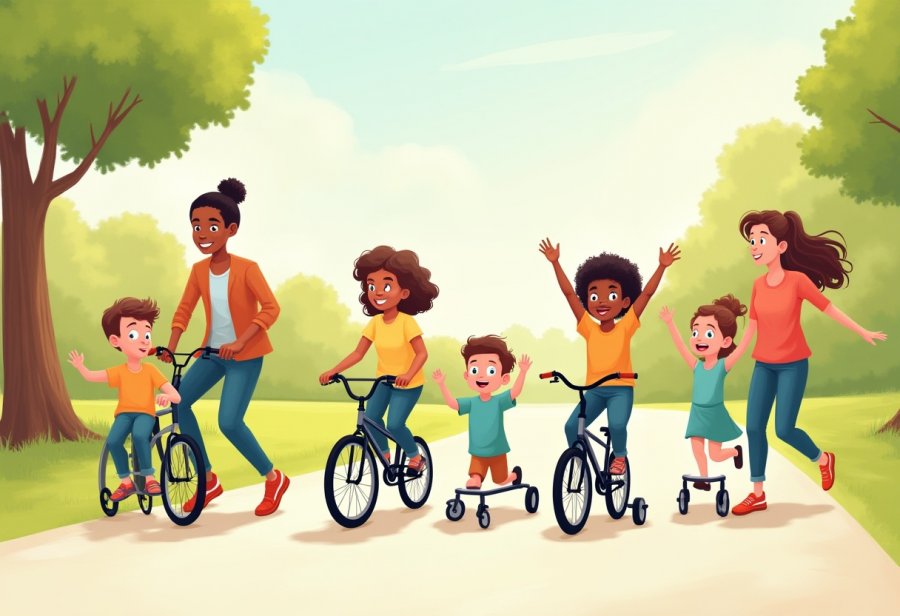
Modern Methods and Global Approaches to Teaching Kids to Pedal
Today, learning to ride a bike blends time-tested methods with innovative tools that make the process safer and more engaging for kids. Balance bikes, which lack pedals, have become especially popular because they help children develop a strong sense of balance before moving on to pedaling. These lightweight bikes allow young riders to focus on steering and coordination, easing the transition to a traditional bike. Meanwhile, training wheels remain a common stepping stone, offering stability and gradually building confidence as kids learn to pedal without fear.
Across different cultures, approaches to teaching children to ride vary widely. In many Western countries, structured lessons and community programs—organized through schools or local cycling clubs—are common. These initiatives emphasize safety education and confidence-building in controlled environments. Conversely, in numerous Asian cultures, family-led learning dominates. Parents or older siblings often guide children in familiar, low-pressure settings like quiet neighborhoods or open fields, relying on trial and error to foster independence.
Technological advances continue to reshape how children learn to ride. Modern bikes are lighter, with adjustable features that fit growing bodies comfortably. Smart helmets equipped with impact sensors and fall alerts add an extra layer of security, giving parents peace of mind. Some regions are experimenting with app-based tutorials and virtual coaching, turning practice into interactive, game-like experiences that boost confidence and reduce fear of falling. These innovations make the learning journey more personalized and enjoyable, encouraging kids to embrace cycling with enthusiasm.
Safety remains a top priority, with regulations and safety gear evolving alongside new technologies. Helmets, protective pads, and safety standards are now widely promoted, fostering a culture that values responsible riding. Public awareness campaigns and school programs teach children early about safe riding habits, helping them approach cycling with caution and confidence. As safety measures advance, the focus shifts from fear to fun, making riding an exciting adventure rather than a risky activity.
Despite these positive developments, disparities still exist. Not all communities have equal access to quality bikes, safety gear, or organized training, which can create barriers for some children. Cultural attitudes toward independence and safety also influence how quickly kids are introduced to riding. Bridging these gaps involves expanding access to resources and promoting inclusive practices so every child can experience the joy, resilience, and freedom that come with learning to ride a bike.
Beyond the Bike: How Riding Fosters Confidence, Independence, and Family Connection
Learning to ride a bike offers more than just a new skill; it opens doors to a range of meaningful, real-world benefits that shape a child’s growth and daily life. One of the most immediate advantages is a boost in independence. When kids master cycling, they can explore their neighborhood, visit friends, or head to the park with minimal supervision. This newfound freedom fosters self-reliance and encourages them to make decisions on their own, laying a foundation for confidence that extends beyond biking.
Building confidence is another crucial benefit. Every wobble, fall, and successful ride teaches children that perseverance pays off. Overcoming initial fears—like losing balance or falling—helps develop resilience and a positive attitude toward challenges. These early victories nurture a growth mindset, making children more willing to try new activities and face future obstacles with courage and optimism.
Family bonding deepens as children learn to ride. Whether a parent steadies the bike, a sibling cheers from the sidelines, or everyone takes a spin together, these shared moments create lasting memories. Celebrating milestones—like riding solo or navigating a tricky patch—becomes a source of pride and joy. These experiences strengthen emotional connections and foster a sense of teamwork and support within the family unit.
Cycling also promotes physical health in an enjoyable way. Outdoor biking encourages kids to stay active, develop coordination, and improve their balance—all essential for overall fitness. When movement feels like an adventure rather than a chore, children are more likely to develop healthy habits early in life. The fun of riding helps instill a love for outdoor activity that can last a lifetime.
Beyond individual benefits, cycling opens up new social opportunities. Group rides, neighborhood outings, or joining local cycling clubs provide chances for children to meet peers, develop social skills, and learn cooperation. Sharing these experiences builds confidence in social settings and fosters a sense of belonging and community, which is vital for emotional well-being.
Finally, learning to ride teaches valuable safety lessons that extend into many areas of life. Kids become familiar with wearing protective gear, following rules, and assessing risks. These habits encourage a responsible approach to new activities and help them develop mindfulness about their safety and that of others. The resilience, independence, and confidence cultivated through cycling remain with children long after they outgrow their first bike, shaping their outlook and abilities for years to come.
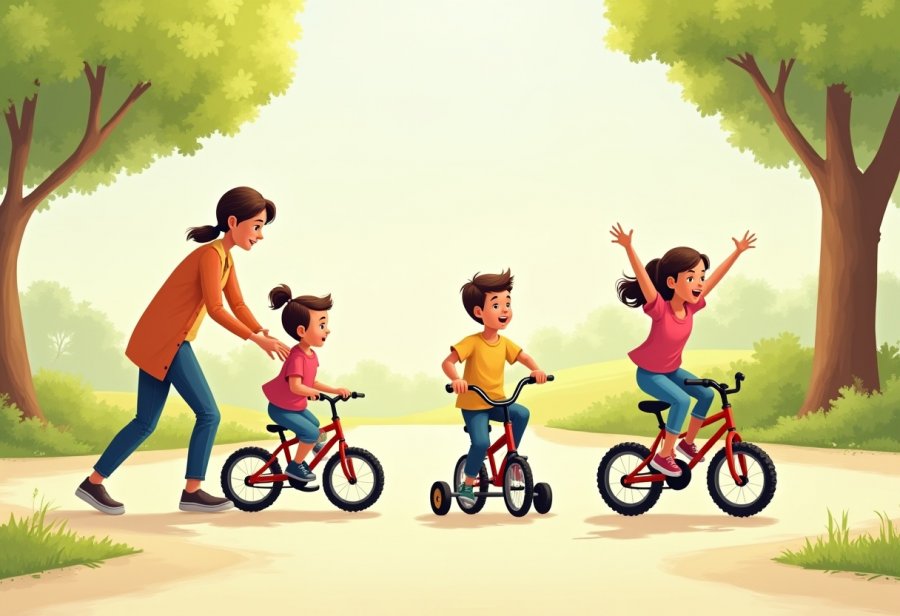
Looking Ahead: Innovations, Challenges, and the Enduring Spirit of Cycles
Learning to ride a bike is a milestone that symbolizes resilience, courage, and the support we give each other. The journey from wobbling starts to confident riding teaches children that setbacks are just part of growth. When families step in with patience and encouragement, what might seem daunting becomes an achievable adventure. This shared process builds trust, boosts confidence, and creates lasting memories that strengthen emotional bonds.
Looking ahead, technological advancements promise to make learning to ride even safer and more accessible. Innovations like smart helmets and impact sensors can help prevent injuries and provide peace of mind for parents. Adaptive designs for bikes and inclusive equipment are opening doors for children with diverse needs, ensuring no one is left behind. These tools, combined with virtual coaching and interactive apps, will likely personalize learning experiences and reduce fears, making the process more engaging.
Despite these promising developments, challenges remain. Not all communities have equal access to quality bikes, protective gear, or organized training programs. Cultural attitudes toward independence and safety influence how quickly children are introduced to cycling, creating disparities that need ongoing attention. Bridging these gaps requires collaborative efforts from governments, communities, and organizations to promote inclusivity and resource availability.
Balancing safety with the encouragement of independence will be vital as new standards and technologies evolve. While protective gear and safety rules are essential, they shouldn’t discourage children from exploring and taking risks within safe boundaries. Cultivating an environment where kids feel both protected and free to experiment fosters confidence and resilience—traits that extend well beyond childhood.
As learning tools become more sophisticated, the core significance of riding as a rite of passage remains unchanged. It continues to represent a step toward self-reliance, adventure, and personal growth. The act of mastering cycling is more than just physical skill; it’s a metaphor for facing challenges with support and determination. This timeless value will endure, inspiring generations to come.
Encouraging children to take that first pedal stroke involves not just teaching technique but nurturing a mindset of perseverance. When children learn to ride, they discover that falling is temporary, and persistence leads to success. This lesson in resilience helps them approach future difficulties with confidence, knowing setbacks are opportunities to learn.
In a world constantly changing, the essence of learning to ride stays rooted in human connection. Supportive families, inclusive communities, and innovative technologies all play a role in shaping a positive, empowering experience. By fostering safe, encouraging environments, we can help more children unlock the joy, independence, and resilience that come with learning to ride—a gift that lasts a lifetime.