




Embark on a humorous yet relatable journey through the chaos of DIY computer upgrades, where tangled wires, missing screws, and compatibility puzzles turn a straightforward task into a comedy of errors. This guide explores how patience, organization, and a good sense of humor can transform frustrating moments into rewarding milestones. As hardware designs become more user-friendly, future upgrades promise less mess and more confidence—yet mishaps still happen. Would you be ready to navigate the unpredictable world of tech tinkering and turn chaos into mastery? With each mistake, you learn more about your hardware—and yourself—making every upgrade an adventure worth embracing. Are you prepared to master the art of upgrading and enjoy the process, even when everything seems to go wrong? This journey isn’t just about faster performance; it’s about building resilience, honing skills, and discovering that the real upgrade is your own confidence in tackling tech challenges.

Navigating the Chaotic Charm of DIY Computer Upgrades
Starting a DIY computer upgrade might sound simple: swap out a few parts and call it a day. But in reality, it’s more like stepping into a chaotic workshop where tangled cables, tiny screws, and unfamiliar hardware are your new best friends. You open up your PC, expecting to make a quick improvement, only to find yourself surrounded by a mountain of components and tools that seem to have a life of their own. It’s a hands-on adventure filled with promise—and plenty of surprises.
Most people start these projects with good intentions: boost performance, add storage, or upgrade their graphics for better gaming. Yet, what begins as a straightforward task can quickly turn into a puzzle. Tiny screws go missing, cables refuse to cooperate, and compatibility issues pop up just when you think you’re done. It’s easy to underestimate how much patience and organization are needed to navigate this process without losing your mind—or a screw or two. Still, these moments of chaos are what make DIY upgrades memorable.
Many choose to upgrade their PCs themselves because it’s a way to feel more connected to their machines. There’s a real sense of satisfaction in installing that new RAM or swapping out an old hard drive. Plus, it’s a learning experience that can boost your confidence in handling tech. But be warned—what looks simple on a tutorial can quickly become a comedy of errors in real life. The tiny parts, confusing manuals, and unexpected snags turn a quick upgrade into a full-fledged adventure.
And let’s not forget the workspace chaos. Cables twist into knots, tools get misplaced, and the whole scene often resembles a modern art installation gone rogue. Every attempt to fit a new component feels like playing hardware Tetris, with pieces resisting your efforts and turning the task into a frustrating puzzle. These mishaps, while frustrating at the moment, often become funny stories you’ll laugh about later. They’re proof that even tech projects have their comedic side.
Despite the chaos, there’s a strange charm in these unpredictable moments. They remind us that even in a world of precise electronics, some mess and disorder are part of the process. With patience, a sense of humor, and a bit of organization, what begins as a chaotic mess can become a rewarding experience. Each successful upgrade—no matter how small—is a step toward mastering your machine and gaining confidence for future projects.
The Wild Side of Hardware Makeovers
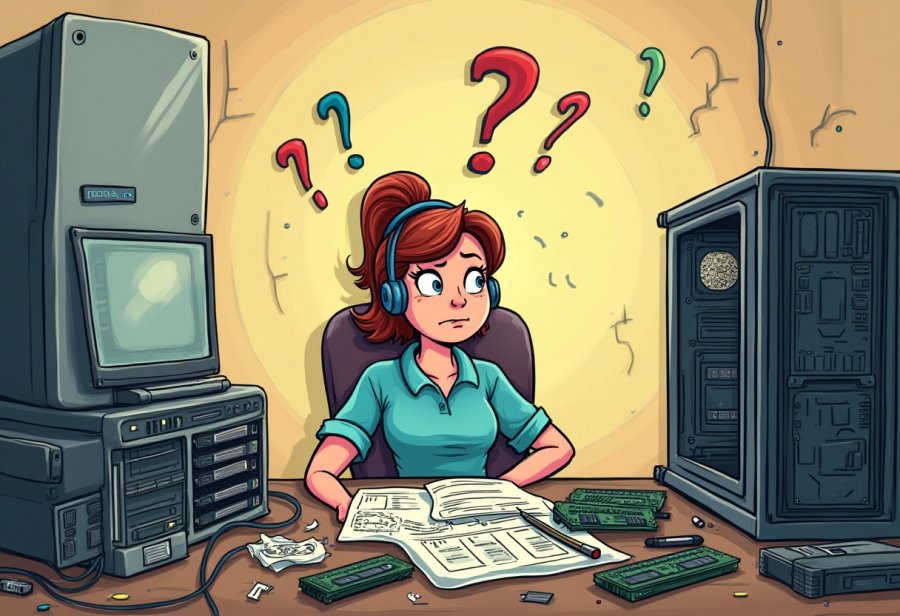
The chaos of upgrading a computer is almost impossible to avoid. Imagine a cluttered desk piled high with parts—hard drives, graphics cards, RAM sticks—and tools scattered everywhere. Cables twist and curl like a nest of snakes, transforming your workspace into an abstract art piece rather than a clean, organized station. Every attempt to insert a new component feels like a game of hardware Tetris, with stubborn pieces resisting your efforts and turning a straightforward task into a frustrating puzzle.
Trying to install a graphics card or RAM often tests your patience. Tiny screws seem to vanish into thin air, hiding in the chaos, only to reappear later when you’re least expecting it. Compatibility becomes another hurdle—sometimes a shiny new SSD doesn’t quite fit or isn’t supported by your motherboard’s firmware. You might find that a component is physically too big, forcing you to reevaluate your entire plan mid-project. The more you try to tidy up, the more tangled your cables become, leaving you with a spaghetti mess that looks more like modern art than a functioning computer.
Hardware mishaps are all too common and often hilarious. For instance, forcing a graphics card into a PCIe slot might produce a cracking sound that makes your stomach drop. Turns out, it wasn’t seated properly or was incompatible, leading to a moment of panic. Sometimes, you forget to remove an old screw or accidentally dislodge other components in the process. Static shocks sneak up unexpectedly, zapping sensitive parts and reminding you to ground yourself. These missteps can be maddening at the moment but often become funny stories you’ll laugh about later, proof that even tech upgrades have their comedic side.
Troubleshooting can quickly turn into a comedy of errors. You reconnect cables carefully, only to realize they’re in the wrong ports or that the power switch was off. A simple mistake like knocking over a handful of screws or dislodging a cable can cause a domino effect of chaos, making the process seem endless. Handling delicate parts like circuit boards and memory modules demands patience, but mistakes—bent pins, cracked chips, or missing screws—are almost inevitable. The tangled wires and misaligned connectors often obscure the light at the end of the tunnel, testing your resolve.
Despite all this, managing the madness is possible with a bit of organization. Labeling cables as you disconnect them helps during reassembly, saving time and frustration. Using zip ties or cable sleeves to bundle wires keeps things tidy and improves airflow, reducing future headaches. Taking a step back to double-check compatibility or consulting online guides before starting can prevent many problems. Embracing the chaos with patience and humor transforms what could be a frustrating ordeal into a memorable adventure.
In the end, it’s the unpredictable nature of DIY upgrades that makes them memorable. Every tangled cable, missing screw, or compatibility surprise becomes part of the story. These moments of chaos are reminders that patience, organization, and a good sense of humor are your best tools. With each mishap, you learn more about your hardware—and about yourself as a builder. The chaos isn’t just a hurdle; it’s a vital part of the journey toward becoming more confident and skilled in handling your own tech.
Hilarious Tales from the Upgrade Battlefield
Nothing makes a DIY upgrade story more relatable than the mishaps that happen along the way. Take the person eager to boost their gaming setup by installing a shiny new graphics card. After carefully slotting it in, they power up the PC—and nothing happens. Turns out, they’d forgotten to remove the old card first. The real kicker? The new card was seated perfectly, but the old one was still blocking the PCIe slot, leading to a frantic wrestling match with a stubborn screw and a lot of choice words.
Then there’s the tale of the techie who bought a high-end RAM stick, only to find it wouldn’t fit because they overlooked the size difference. It looked identical to what was already installed, but it was physically too big. Forcing it in only made things worse, forcing a pause for rechecking specs and a fresh round of curses. These moments remind us that even straightforward upgrades can turn into puzzles of compatibility and patience.
Cable spaghetti is another classic source of comedy. Imagine a workspace where wires snake across the desk like a modern art installation gone rogue. Connecting a new SSD or power supply becomes a game of knots and twists, with the cables resisting every attempt to straighten them out. The moment you think you’ve tamed the mess, you realize a crucial cable is still loose or plugged into the wrong port—adding a layer of frustration and laughter. These tangled messes often turn into stories you retell with a smile, especially after everything finally works.
Hardware mishaps happen even to seasoned builders. One user forced a graphics card into a PCIe slot only to hear a crack—an ominous sign that something was wrong. After a tense moment, they found the card wasn’t compatible or properly seated, and the whole process became a lesson in patience. These experiences, though frustrating at the time, turn into funny stories later, proof that even pros face chaos. Every mistake becomes part of the lore that makes DIY upgrades memorable.
Troubleshooting can quickly spiral into a comedy of errors. Reconnecting cables, only to realize they’re in the wrong ports or that the power switch was off, is a common scene. Sometimes, knocking over screws or dislodging other components adds to the chaos. Handling delicate parts like circuit boards and memory modules demands patience, but mistakes—bent pins, cracked chips, or missing screws—are almost inevitable. Yet, these mishaps often become the highlights of the story, adding humor to the journey of mastering your hardware.
Mastering the Craft: Strategies for Successful Upgrades
Mastering the art of upgrading your computer boils down to a mix of preparation, patience, and a good sense of humor. Start by diving into research—read manuals, watch tutorials, and double-check your hardware specifications. Knowing exactly what parts are compatible saves you from costly mistakes and turns what could be chaos into confidence. Making a checklist of tools and components before you begin helps keep your workspace organized and your mind focused, especially if you’re new to the process.
Approach each step methodically, installing one component at a time and testing before moving on. Powering up after each upgrade helps you catch problems early—no need to troubleshoot an entire system when a simple restart reveals the issue. Handle delicate parts carefully; applying gentle pressure and following instructions prevents damage. If resistance or resistance seems unusual, pause and consult guides or forums—forcing parts into place often causes more harm than good.
Organization is your best ally. Label cables as you disconnect them, and keep screws in a small container so nothing gets lost. Using zip ties or cable sleeves to tidy wires not only makes your build look cleaner but also improves airflow and reduces future connection issues. Patience and attention to detail turn what might be a stressful experience into a rewarding project. Remember, rushing increases the risk of mistakes, so take your time—this isn’t a race.
Troubleshooting is part of the game. If something doesn’t work right away, double-check connections, reseat components, and reset BIOS settings if needed. Many problems are simple fixes—sometimes, a loose cable or a forgotten switch is all that stands between you and a successful upgrade. Keep backups of your data before you start; it’s a small step that prevents big headaches if something unexpected happens.
Don’t hesitate to seek help or consult online communities—they’re full of experienced builders eager to share advice. Sharing your experiences can turn frustration into learning and make future upgrades smoother. Celebrate each small victory, whether it’s installing a new SSD or resolving a tricky compatibility issue. Over time, the process becomes less daunting and more enjoyable, transforming chaos into mastery.
Above all, remember that patience, organization, and humor are your best tools. Each upgrade teaches you more about your hardware and yourself as a builder. Embrace the mess, laugh at the mishaps, and look forward to the next project. With these strategies in hand, you’ll turn what once felt overwhelming into a satisfying, even fun, part of your tech journey.

Lessons Learned and the Future of DIY Tech Upgrades
Reflecting on the journey of DIY computer upgrades, it’s clear that patience and preparation are the biggest keys to success. The more you learn about your hardware’s specifications and compatibility, the smoother your upgrades become. Taking the time to read manuals, watch tutorials, and double-check your parts transforms what initially feels overwhelming into a confident, manageable process. These habits build your skills, turning chaos into control and giving you the confidence to tackle future upgrades with less stress.
Looking ahead, hardware design is trending toward more user-friendly, modular options that aim to make upgrades less chaotic. Components are increasingly built for easy swapping, with some even supporting plug-and-play installation. These innovations promise to cut down on tangled cables and compatibility puzzles that have long been part of DIY projects. Additionally, smarter troubleshooting tools and diagnostic aids are emerging, helping even beginners identify issues faster and more accurately. This progress suggests that future upgrades will be less about wrestling with hardware and more about enjoying the process.
Yet, despite advancements, the core challenge of keeping up with rapid tech evolution remains. Compatibility issues and human error continue to pose hurdles, but the skills you develop now, like patience and methodical troubleshooting, will serve you well in the future. Staying informed through online communities, forums, and official guides is crucial to avoid missteps. Embracing mistakes as learning opportunities keeps frustration at bay and turns setbacks into growth moments, making each project a step forward.
As hardware becomes more modular and intuitive, the upgrade process is likely to become simpler and less intimidating. Manufacturers are designing components that support quick, tool-free swaps, reducing the dreaded cable spaghetti and compatibility headaches. Meanwhile, AI-assisted diagnostic tools are beginning to guide users through troubleshooting, making repairs and upgrades more accessible. These trends point toward a future where DIY upgrades are not just easier but also more enjoyable, especially as technology keeps evolving to support the builder’s journey.
Despite these promising trends, some chaos will always be part of the process. Hardware standards change fast, and human mistakes happen—sometimes, the wires will get tangled, or parts won’t fit perfectly. But what will change is how we handle that chaos. Developing a mindset that values patience, continuous learning, and humor makes the experience less frustrating and more rewarding. Every misstep becomes part of the story, a badge of honor that reminds us that growth often comes through overcoming chaos.
The lessons learned from countless upgrade attempts—staying organized, approaching each project calmly, and embracing the mess—are universal. They turn what once seemed like insurmountable obstacles into opportunities for mastery. Each successful upgrade boosts confidence and adds to a growing toolkit of skills, making the next project even smoother. In this way, the chaos of today becomes the competence of tomorrow, transforming DIY upgrades from a daunting chore into an ongoing adventure filled with discovery and satisfaction.