




Learning to swim is more than acquiring a skill—it’s a profound transformation that turns fear into confidence at any age. But what if the greatest obstacle is simply taking that first courageous step? This journey begins with small, manageable actions, gradually building trust and safety in the water. Over time, swimmers of all ages discover lifelong benefits: enhanced physical health, mental resilience, and emotional empowerment. The evolution of swimming instruction—from survival techniques to cutting-edge, inclusive approaches—underscores its universal appeal and safety. Today’s diverse methods, fueled by technology and cultural influences, make water accessible and enjoyable for everyone, regardless of ability or background. Yet, the true magic lies in personal progress—each splash, stroke, or float reinforcing a sense of mastery and freedom. Are you ready to embrace the water’s potential to transform worry into wonder? With persistence, water becomes not just a challenge, but a lifelong source of joy and adventure.
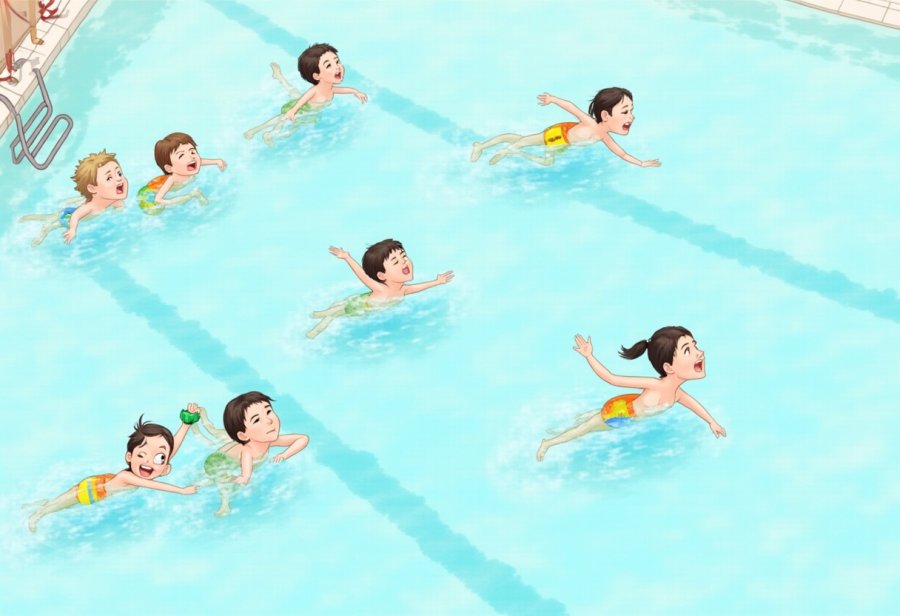
Transform Your Life Through the Art of Learning to Swim
Learning to swim is more than just picking up a new skill; it’s a transformation that can change how you approach water—and yourself. For many, water can feel intimidating or even frightening at first. Taking that first step into the pool or lake might seem daunting, but it opens the door to confidence, safety, and genuine joy. It’s about moving from hesitation to mastery, slowly building trust in your ability to navigate water environments.
No matter your age, the journey begins with small, manageable actions. Whether it’s getting comfortable on the pool’s edge, splashing water on your face, or floating with support, each step helps reduce fears and build confidence. As these acts become routine, you start to feel more in control, transforming water from a source of anxiety into a space of exploration and fun.
Learning to swim isn’t just about personal achievement; it’s a skill that offers lifelong benefits. Physically, swimming provides a gentle, full-body workout that strengthens muscles, improves flexibility, and boosts heart health. Mentally, it helps reduce stress and sharpen focus. Emotionally, overcoming water fears fosters resilience and boosts self-esteem, qualities that spill over into everyday life.
This process is deeply personal. Some may start with simple splashes or short floats, while others aim to master strokes or open-water swimming. Regardless of your starting point, every small victory reinforces your progress. Over time, your relationship with water shifts from one of fear to one of freedom, adventure, and confidence.
Safety remains a key foundation. Learning in supervised environments with trained instructors ensures a positive, secure experience. Using supportive gear and respecting your limits helps prevent accidents. As your skills develop, so does your ability to enjoy water confidently and responsibly.
Every step forward in learning to swim adds to your confidence and safety. It’s a journey worth embarking on at any age. The more you practice, the more water becomes a source of relaxation, fun, and lifelong confidence.
Tracing the Roots and Evolution of Swimming Mastery
The history of swimming instruction traces back centuries, reflecting humanity’s long-standing relationship with water and the instinct to stay safe within it. Early techniques were straightforward and practical, often passed down through families or communities. They focused on survival skills like floating, basic strokes, and breath control—tools essential for staying afloat or escaping danger. These methods prioritized immediate safety over efficiency, laying the groundwork for more organized approaches later on.
As societies grew more interested in water safety and competitive swimming, formal training programs started to take shape in the 19th century. Organized lessons began to standardize techniques, emphasizing proper strokes, breathing, and rescue procedures. The advent of swim schools and certification programs brought professionalism and consistency to instruction, making it easier for more people to learn with confidence.
The development of swimming pools in the late 1800s and early 1900s marked a major turning point. Controlled environments provided a safe space for beginners to practice and allowed instructors to teach more systematically. Manuals and instructional guides emerged, outlining correct techniques and safety measures. These innovations helped evolve swimming from a survival skill into a structured activity that prioritized form, endurance, and enjoyment.
Throughout the 20th century, new strokes like the butterfly and refinements to existing ones increased efficiency and speed. Safety standards also advanced, with lifeguard training and rescue techniques becoming integral parts of instruction. These changes made swimming more accessible and safer for learners of all ages, shifting the focus from mere survival to skill development and confidence-building.
Today, technology continues to reshape how we learn to swim. Video analysis, digital tutorials, and online coaching now complement traditional lessons, enabling learners to improve outside the pool. Adaptive methods ensure that individuals with disabilities or physical limitations can participate fully, making swimming an inclusive activity. This ongoing evolution reflects a shared commitment to making water skills more accessible, safe, and enjoyable for everyone.

How Swimming Instruction and Safety Practices Have Transformed Over Time
Over the years, the way we teach swimming and promote water safety has changed dramatically. In the beginning, instruction was informal, often passed down through families or local communities, relying heavily on trial and error. Skills like floating, basic strokes, and breath control were taught in a practical, survival-focused manner, with little structure or consistency. This meant that many learned through personal experience rather than formal guidance, which could lead to gaps in safety and technique.
As awareness around water safety grew, organizations began developing standardized training programs in the early 20th century. These programs emphasized proper techniques, safety protocols, and rescue procedures, bringing more professionalism into swimming education. Certified instructors and dedicated swim schools helped ensure that skills were taught uniformly, boosting confidence and reducing accidents. This shift made learning to swim more accessible and reliable for people of all ages.
The late 1800s and early 1900s marked another major breakthrough with the rise of public pools. Controlled environments provided safe, consistent spaces for beginners, making it easier to teach and learn systematically. Manuals and instructional guides further standardized techniques, emphasizing correct form and safety measures. These innovations transformed swimming from a basic survival skill into a structured activity focused on efficiency, endurance, and enjoyment.
Throughout the 20th century, new strokes like the butterfly emerged, alongside refinements to existing techniques. These advancements improved speed and efficiency, encouraging swimmers to push their limits. At the same time, safety standards advanced significantly, with lifeguard training, rescue techniques, and safety equipment becoming integral parts of instruction. These improvements created safer, more inclusive environments where learners could develop skills with confidence.
Today, technology continues to reshape swimming education. Video analysis, mobile apps, and online tutorials offer personalized feedback and practice opportunities outside the pool. Modern facilities feature accessible designs, adjustable environments, and adaptive equipment, ensuring everyone can participate regardless of ability. This ongoing evolution reflects a commitment to making swimming safer, more inclusive, and more engaging for learners worldwide.
The Modern Landscape: Inclusive, Innovative, and Culturally Rich Swimming Approaches
Today’s approach to swimming instruction is more diverse and inclusive than ever before. Modern methods blend traditional techniques with innovative technology, making learning more personalized and accessible. Digital tools like underwater video analysis and mobile apps help swimmers see their progress clearly, providing instant feedback that’s hard to match with coaching alone. These resources allow learners to practice outside structured lessons, building confidence at their own pace and comfort level.
Facilities have also progressed significantly. High-tech indoor pools with adjustable temperatures, accessible entry points, and ergonomic design create a welcoming environment for everyone. Adaptive equipment such as specialized floats, braces, and ramps ensures that individuals with physical limitations can participate fully. This focus on inclusivity means more people are able to enjoy the benefits of swimming, regardless of age or ability.
Cultural influences shape different styles and safety practices around the world. In Western countries, structured lessons emphasize core strokes like freestyle, breaststroke, and backstroke, with safety integrated into every session. Meanwhile, some Asian traditions incorporate water-based practices that combine martial arts, meditation, or spiritual routines, reflecting cultural connections to water that go beyond mere recreation. These diverse approaches enrich the global landscape, making swimming a universal language.
The focus on safety has also evolved alongside teaching practices. Today’s standards include rigorous lifeguard training, emergency response protocols, and clear signage in pools and natural water bodies. Regular safety drills and the use of advanced rescue equipment help prevent accidents and foster a culture of vigilance. These measures create secure environments where learners can develop skills confidently, knowing their safety is prioritized.
Community programs and outreach efforts expand access in underserved areas, helping bridge gaps in water education. Initiatives aim to reach children, seniors, and marginalized groups, ensuring that everyone can learn water safety and swimming skills. The growing emphasis on personalized coaching and digital learning platforms makes it easier for more people to start their water confidence journey, regardless of background or circumstances.
Overall, the current landscape of swimming is vibrant and continually evolving. It champions accessibility, innovation, and safety, making water skills attainable for a broader audience than ever before. As technology advances and cultural understanding deepens, swimming remains a dynamic activity that adapts to society’s needs, fostering lifelong confidence, resilience, and enjoyment in water.
Real-World Benefits: Practical Impacts of Learning to Swim
Learning to swim offers practical benefits that extend far beyond simply moving in water. One of the most immediate advantages is enhanced safety. Being able to swim means you can respond effectively in emergencies, whether you’re at the beach, a lake, or caught in unexpected floodwaters. This skill provides a vital safety net, reducing the risk of drowning and empowering you to handle unforeseen situations with confidence and calmness.
On a health level, swimming is a low-impact, full-body workout that strengthens muscles, boosts flexibility, and improves cardiovascular health. Regular practice helps manage weight, reduce stress, and increase overall fitness—all without putting undue stress on joints. This makes swimming an excellent option for people of all ages, especially those with mobility issues or arthritis, as water’s buoyancy makes movement easier and less painful.
Beyond physical health, learning to swim builds mental resilience. Overcoming initial fears and achieving new milestones in the water foster a sense of accomplishment and self-esteem that can positively influence other areas of life. Developing water confidence encourages exploration of new activities like snorkeling, paddleboarding, or open-water swimming, broadening your recreational horizons and social connections.
For children and families, early swimming skills are often life-saving, significantly reducing drowning risks. For adults, it’s about staying prepared for accidental falls into pools or natural bodies of water during outdoor activities. These skills turn water from a potentially dangerous environment into a space of fun, relaxation, and adventure, making water-based activities safer and more enjoyable.
Learning to swim also cultivates a lifelong habit of safety awareness and physical activity. It teaches you to respect water’s power while appreciating its beauty. This combination of safety, fitness, and confidence transforms water from a source of anxiety into a place of opportunity—whether for leisure, health, or emergency preparedness. Developing water skills ensures that water remains a positive, enriching part of your life for years to come.
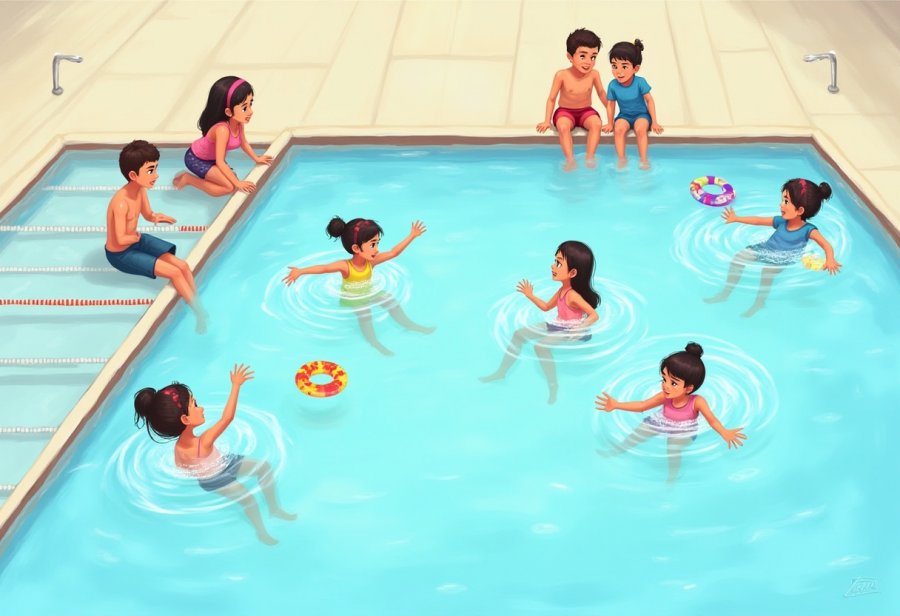
Embrace Your Water Confidence Journey: Keys to Lifelong Growth and Joy
Learning to swim is a journey that continues long after mastering the basics. Each new stroke, float, or open-water experience adds a layer of confidence, reinforcing your ability to navigate water with ease. Progress isn’t about perfection but about embracing each small victory as a step toward greater mastery. Recognizing these moments keeps motivation alive and transforms water from a source of fear into a space of freedom and exploration.
Confidence in the water builds gradually, shaped by consistent practice and positive experiences. Even seasoned swimmers find new techniques to refine or fresh environments to explore. Staying curious and open-minded keeps the journey engaging, reminding us that growth doesn’t stop. Setting gentle goals—like trying a different stroke or swimming in open water—encourages ongoing development without pressure.
Patience remains key. Confidence develops through persistence, not overnight. Every attempt, even setbacks, offers a chance to learn and strengthen resilience. These experiences lay a foundation of trust, making future challenges feel more manageable. Over time, small efforts accumulate, creating a deep-seated belief that water can be a safe, joyful part of life.
Fears may resurface, or progress might seem slow at times, but persistence turns these moments into stepping stones. Celebrating each effort fuels motivation, and over time, the love for water grows stronger. This mindset transforms swimming from an activity you perform into a lifelong relationship filled with adventure, relaxation, and personal growth.
Your water confidence journey is uniquely yours, shaped by your goals and experiences. Focusing on progress rather than perfection helps maintain a positive outlook and fosters a sense of ongoing discovery. Every new skill or comfort level reached adds to your sense of achievement and opens up fresh water adventures.
Remember, the path is personal and fluid. Whether you’re diving into open water, joining a swimming group, or simply floating peacefully, each step enriches your connection to water. Keep nurturing your curiosity, and don’t hesitate to push beyond your comfort zone. Your ongoing commitment creates a foundation for lifelong enjoyment and resilience.
The confidence you build today forms a powerful base for future water experiences. Whether swimming for fitness, leisure, or emergency preparedness, each effort deepens your trust in your abilities. Embrace the journey with patience and enthusiasm, knowing that every splash and stroke strengthens not just your skills but your spirit.
In the end, the most important takeaway is that water confidence is a continuous, rewarding process. It’s about enjoying the process as much as the progress—trusting that with perseverance, water will remain a place of joy, adventure, and personal achievement for years to come.