



Imagine transforming routine walks into peaceful moments of trust and connection with your dog—yet achieving calm, focused leash behavior can sometimes feel elusive. This guide reveals how patience, consistency, and positive reinforcement lay the foundation for serene strolls, even amid distractions. Can your dog learn to walk politely without pulling or reacting? Absolutely—when you understand canine psychology, choose the right tools, and gradually expose them to stimulating environments. This approach not only enhances obedience but deepens your bond, turning everyday outings into shared experiences of harmony. But what about setbacks or reactive behaviors? The key lies in recognizing signs of overwhelm and adapting your training step-by-step, leveraging gentle tools and tailored routines. With perseverance and gentle guidance, calm, confident walks become possible for every dog—transforming frustration into joy and everyday routine into a treasured ritual of trust and mutual respect.
Transform Routine Walks into Moments of Connection and Confidence
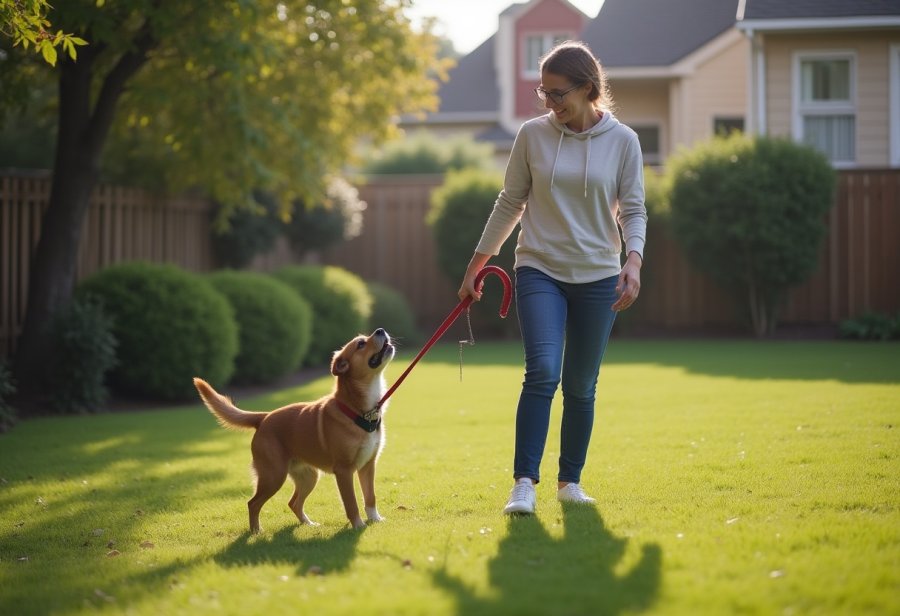
A calm, peaceful walk with your dog isn’t just about covering ground; it’s about sharing a moment rooted in trust and understanding. When your dog stays by your side without pulling or reacting to distractions, it signals they feel safe and confident under your guidance. These relaxed outings are more enjoyable and help strengthen your bond, transforming routine walks into opportunities for connection and mutual respect.
A well-managed walk also serves as a powerful training tool. When your dog remains focused and calm, they learn patience and self-control—skills that benefit many areas of life. Moreover, a peaceful walk reduces stress for both owner and pet, turning what can sometimes be a frustrating task into a harmonious experience. It encourages better response to commands and attentiveness, even amidst external stimuli like other dogs or loud noises.
Training your dog to walk calmly is about more than just obedience; it’s about cultivating a relationship based on respect and trust. When your dog learns to walk peacefully at your side, they see you as a reliable leader, which boosts their confidence. This trust makes future training easier and helps prevent behavioral issues like pulling or reactivity. Patience and consistency are key, with each successful walk reinforcing your connection and shared understanding.
In today’s busy world, mastering calm leash walking can transform everyday outings into moments of genuine connection. It’s not just about manners—it’s about creating a peaceful rhythm where both of you feel relaxed and engaged. Understanding the core principles behind this approach lays the foundation for building a joyful, harmonious walking routine that benefits both owner and pet.
Building a Foundation of Trust, Patience, and Positive Reinforcement
Building a calm, controlled walk with your dog starts with understanding some core principles that guide effective training. Patience and consistency are the foundation; dogs thrive on routines they can predict, and clear commands help them understand what’s expected. Using positive reinforcement—rewarding good behavior with treats, praise, or gentle touches—encourages your dog to repeat calm, focused actions. Trust-building is equally essential; your dog needs to see you as a reliable leader who offers safety and clarity. Managing environmental factors like distractions or noise helps create a setting where your dog can focus without becoming overwhelmed. These principles set the stage for peaceful walks by fostering a sense of security and cooperation.
Patience is key because dogs take time to learn new behaviors and adjust to routines. Consistency in commands and routines reinforces expectations, making it easier for your dog to grasp and trust the training. Rewards such as treats and praise create positive associations with calm behavior, motivating your dog to stay focused on you. Building trust involves showing your dog that you’re a steady, safe presence, which helps them feel more confident and relaxed during walks. When these ideas are practiced regularly, they lay a strong foundation for a peaceful leash routine and a deeper bond.
Dog training has evolved significantly over the past century. Early methods relied heavily on punishment and dominance, but we now understand that gentle, reward-based approaches are more effective and humane. Modern techniques emphasize patience, consistency, and building trust through positive reinforcement. Tools like clickers, treats, and gentle leash handling support these methods, making training both easier and more enjoyable. This shift reflects a broader understanding that fostering respect and cooperation leads to better behavior and a stronger relationship.
Understanding canine psychology helps explain how dogs learn and respond during walks. Dogs interpret their environment through instincts and past experiences, which shape their reactions. Reward-based methods tap into their natural drives, encouraging calmness and focus. Recognizing these behavioral insights allows owners to develop tailored strategies that suit each dog’s personality and needs. Combining science with practical training creates a more effective, compassionate approach that builds trust and self-control.
Establishing clear routines, using positive reinforcement, and maintaining patience are crucial to mastering calm dog walks. When your dog feels secure and understood, anxiety and reactive behaviors diminish. Consistent practice helps your dog internalize calmness as a default, making peaceful walks a shared goal. Over time, these routines become second nature, transforming daily outings into moments of trust and connection that strengthen your bond. The key is steady effort and gentle guidance, allowing your dog to thrive in a calm, focused state.
Each dog is unique, and understanding their individual responses ensures your training is effective. Some dogs respond quickly to cues, while others need more gradual exposure to new environments. Paying close attention to your dog’s signals lets you adapt your methods, keeping training enjoyable and productive. Personalizing your approach helps prevent frustration and setbacks, fostering a positive experience for both of you. With patience and tailored strategies, calm, focused walking becomes a natural part of your routine.
Supportive tools like gentle harnesses or clickers can enhance your training efforts, making it easier to reinforce calm behavior. Calming aids, such as pheromone sprays or pressure wraps, help reduce anxiety in stimulating environments. These resources promote a peaceful atmosphere, allowing your dog to build confidence and focus. Consistent use of positive reinforcement combined with appropriate tools turns walks into opportunities for trust-building and relaxation. As progress grows, calm walking becomes an instinctive, shared experience, strengthening your bond and making every outing more enjoyable.
Key Components for a Peaceful, Focused Walk
Mastering calm dog walks depends on understanding the essential components that foster a peaceful, focused experience. Proper leash handling is fundamental; keeping the leash slack signals to your dog that pulling is unnecessary, helping them feel relaxed rather than resistant. Pairing this with clear, consistent commands like “heel” or “easy” provides reliable cues, guiding your dog to stay attentive to you rather than external distractions. These simple tools create a framework that encourages calmness and focus during walks.
Environmental management plays a crucial role in maintaining composure. Starting in quiet, low-stimulation areas allows your dog to learn focus without becoming overwhelmed. As they gain confidence, gradually introducing busier environments helps reinforce good behavior and build resilience. Recognizing signs of overexcitement or anxiety enables you to redirect attention with treats or cues, preventing setbacks and nurturing a sense of security. This step-by-step approach ensures progress remains steady and positive.
Addressing common issues like pulling or reactivity requires gentle redirection and the right tools. Harnesses or head collars can improve control and comfort, especially in more challenging settings. Consistent routines and reinforcement help your dog associate calm behavior with positive outcomes, making relaxed walking the default. When your dog pulls or reacts, pausing and resetting in a calmer environment reinforces expectations without frustration. Patience and steady practice are key to internalizing these habits.
Every dog is unique, and understanding individual responses helps tailor your training. Some dogs quickly respond to cues, while others need gradual exposure to new stimuli. Paying close attention to their signals allows you to adapt techniques and keep training effective. This personalized approach fosters trust and keeps your dog motivated, transforming calm walking from a goal into a natural routine.
Supporting tools like clickers, treats, and calming aids enhance your efforts and foster a positive, relaxed atmosphere. These resources help reinforce calmness and confidence, especially in stimulating environments. Over time, consistent application of these techniques turns everyday walks into moments of trust and connection. The result is a harmonious bond where both owner and dog enjoy peaceful, focused outings.
Turning Training into Calm, Shared Experiences
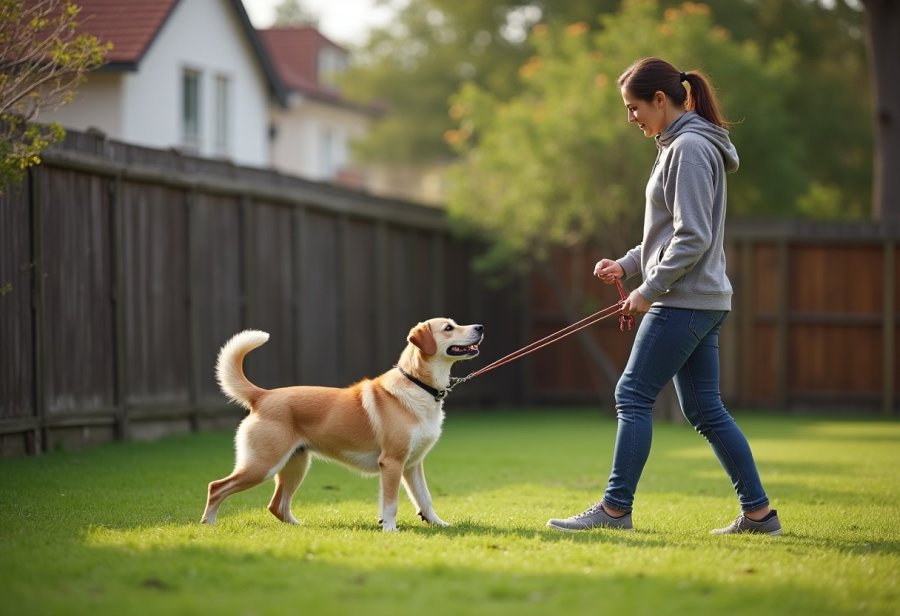
Imagine strolling through a quiet neighborhood park with your dog walking calmly at your side, both of you relaxed and attentive. Your dog responds instantly to the “heel” command, maintaining close focus without pulling or lunging, even as other dogs and joggers pass by. This scene isn’t just ideal—it’s achievable with consistent practice and patience. Seeing your dog stay composed amidst distractions proves that tailored training and positive reinforcement truly work, transforming everyday walks into peaceful bonding moments.
Take Max, a rescue dog who used to pull fiercely and get anxious in busy areas. His owner, Sarah, started in quiet spots, rewarding Max for staying close and calm. Over weeks, Max’s behavior shifted; now he confidently navigates crowded streets and lively parks. These stories show that even reactive or nervous dogs can learn to walk peacefully, given the right approach and steady effort.
To turn these techniques into everyday habits, begin each walk with a clear plan. Choose familiar, less crowded routes and keep sessions short—around ten minutes—to prevent overload. Use treats and praise generously when your dog focuses and remains relaxed. When distractions arise, redirect attention with a cue or treat, then reward their response. Consistency turns calm walking into a natural routine, gradually building your dog’s confidence and focus.
It’s common to face setbacks during training—dogs may pull or react unexpectedly. Instead of frustration, pause and reset in a calmer environment, reinforcing your expectations with patience. Recognize that progress takes time, and each small success strengthens your bond. Avoid rushing into more stimulating settings before your dog is ready; gradual exposure ensures steady, positive development.
Tools like gentle harnesses or clickers can support your efforts, making it easier to reward calm behavior. Calming aids such as pheromone sprays or pressure wraps also help reduce anxiety, especially in challenging environments. Using these resources consistently creates a peaceful atmosphere, encouraging your dog to build confidence and focus during every walk.
Remember, every walk is an opportunity to reinforce trust and calmness. Celebrate small victories, like a focused glance or a relaxed posture, and gradually increase the complexity of outings. Over time, these moments become second nature, turning routine walks into shared experiences of harmony. The more you practice, the more your dog will see walking calmly as a natural, enjoyable part of life together.
Smart Spending for Effective, Peaceful Dog Walking
Training a dog to walk calmly on a leash doesn’t have to come with a hefty price tag. Starting with the basics, a durable leash, a comfortable collar or harness, and some high-quality treats are all you need to get going. These essentials typically cost between $10 and $30 each, and they provide a solid foundation for focused, relaxed walks. Investing in good gear ensures your dog stays comfortable and responsive, making training smoother and more effective.
As your training progresses, tools like head collars or clickers can enhance your control and make positive reinforcement easier. These typically range from $10 to $20 and can be invaluable in managing more challenging behaviors. If you’re considering professional help, group classes or private lessons are worth the expense—usually between $50 and $200 per session—since expert guidance can accelerate progress and boost your confidence.
Ongoing costs include replacing worn-out equipment, buying more treats, or trying new training aids. For example, if your dog tends to pull heavily, investing in a different harness or calming aids can make a difference. Planning for these expenses helps maintain consistency and prevents setbacks caused by a lack of suitable tools.
Prioritizing quality over quantity is key; start with affordable options and upgrade as needed. Many reliable products are available online or locally, offering good value without sacrificing effectiveness. Remember, investing in proper tools and training doesn’t just make walks easier—it reduces the risk of behavioral issues that could lead to costly re-training later on.
In the long run, the money spent on quality gear and professional support pays off. Calm, well-trained dogs are less likely to develop behavioral problems that require expensive correction. Every dollar invested in effective tools and guidance helps ensure your walks are peaceful and enjoyable, strengthening your bond and making every outing a positive experience for both of you.
Turning Plans into Consistent, Trust-Building Practice
Turning your training plan into consistent practice means establishing a routine that seamlessly fits into your daily life. Choose specific times and familiar routes for walks so your dog knows what to expect each day. Keeping sessions short—around 10 to 15 minutes—prevents fatigue and keeps your dog engaged. Use the same commands and cues consistently, helping your dog understand what’s expected and building reliable habits over time.
Begin in quiet, low-stimulation areas to help your dog focus without becoming overwhelmed. As confidence grows, gradually introduce busier environments like parks or busy streets. This step-by-step approach reduces stress and ensures progress remains steady and positive. During each walk, reward your dog often for paying attention, staying close, and remaining calm. Use treats, praise, and gentle touches to reinforce these behaviors, making calm walking a natural routine.
Set small, achievable goals for each outing, such as maintaining focus in a quiet yard or practicing commands in a calm spot. Celebrate each success, no matter how minor, to boost your dog’s confidence and motivation. Patience is crucial—progress may be slow at first, but consistency and positive reinforcement will lead to lasting habits. Avoid rushing into more stimulating settings before your dog is ready; gradual exposure fosters steady development.
Monitor your dog’s responses throughout. If signs of stress or distraction appear, slow down, take a step back, and revisit easier environments. This keeps training positive and prevents setbacks. When your dog learns that calm behavior results in praise and treats, they’ll be motivated to repeat it naturally. Over time, these routines become second nature, transforming training into a shared, enjoyable activity.
Flexibility remains key—if something isn’t working, adapt your environment or methods without losing sight of your goals. Consistent practice, combined with patience and gentle guidance, helps your dog internalize calm walking as a default behavior. Each successful outing reinforces trust and deepens your bond, turning everyday walks into moments of connection and peace.
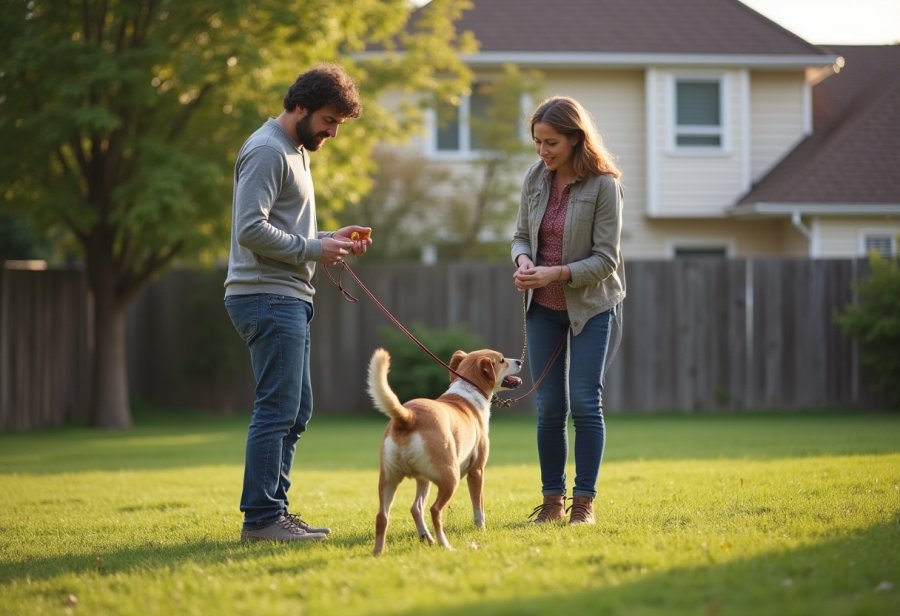
Overcoming Challenges and Navigating Setbacks in Calm Dog Walking
Training a dog to walk calmly isn’t always straightforward, and setbacks are a natural part of the process. One common challenge is expecting quick results; dogs need time to learn new behaviors and build confidence. Rushing or getting frustrated can stall progress or even cause regressions. Patience and consistent effort are essential, reminding yourself that progress often comes in small, gradual steps.
Distractions often pose a significant hurdle. Streets filled with other dogs, loud noises, or busy parks can easily pull your dog’s focus away from you. When your dog becomes reactive or pulls, it’s tempting to push through, but doing so can lead to frustration and setbacks. Recognizing signs of overwhelm—like tense posture or anxious reactions—and dialing back to calmer environments helps prevent bad habits from forming and keeps training positive.
For some dogs, anxiety or nervousness complicates things further. If your dog is overly stressed or hesitant, forcing calmness too early or in highly stimulating settings can backfire, causing resistance or fear. Instead, easing into more challenging environments gradually and rewarding calm behavior builds trust and reduces anxiety over time. This patient, step-by-step approach creates a foundation for lasting calmness.
Managing these challenges means setting realistic expectations. Progress might be slow, but steady routines and reinforcement make a difference. If setbacks occur, pause and revisit easier settings to reinforce good behavior. Remember, setbacks aren’t failures—they’re learning opportunities. With patience, flexibility, and consistent effort, you can turn obstacles into stepping stones toward peaceful, confident walking sessions.
Ultimately, perseverance and adaptability are your best tools. Every dog learns at their own pace, and maintaining a calm, encouraging attitude helps your dog feel safe and motivated. Overcoming these challenges isn’t just about training; it’s about strengthening trust and building a positive, lifelong bond that makes every walk a peaceful, shared experience.