




Step into the heartfelt world of the backyard mechanic, where passion, patience, and craftsmanship transform simple garages into personal sanctuaries. This space is more than just a workshop; it’s a reflection of identity, history, and community—shaped by decades of DIY ingenuity that span generations. From the roots of vintage restorations to the embrace of modern technology, these garages have evolved yet remained steadfast in their core values: resilience, creativity, and love for machines. As digital tools and eco-friendly practices enter the scene, the question arises: how will these spaces adapt without losing their soul? This narrative explores the delicate balance between tradition and innovation, highlighting how each project—big or small—becomes a chapter in a shared story of craftsmanship and connection. For enthusiasts and newcomers alike, this is a tribute to the timeless spirit of the backyard mechanic—where every turn of the wrench is an act of creation, and every fix a testament to resilience.
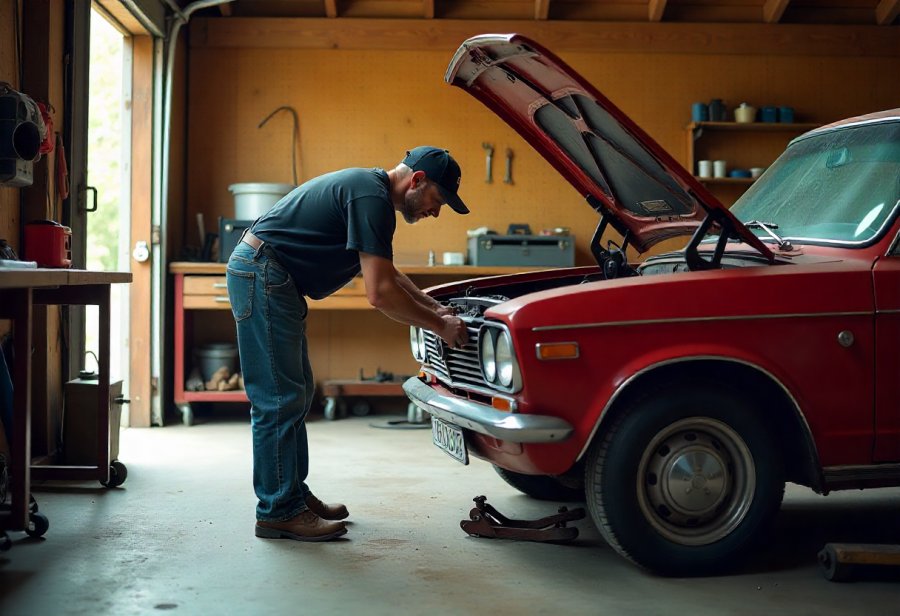
Transforming Your Backyard Garage into a Personal Sanctuary of Craftsmanship
There’s something uniquely satisfying about transforming a simple backyard garage into a personal sanctuary of craftsmanship. It’s more than just a space filled with tools and parts; it’s a reflection of passion, patience, and a love for working with machines. For many backyard mechanics, this garage is their haven—a place where time slows down, and every wrench turn or bolt tightened becomes a small act of creation. It’s where skills are honed and projects come to life, one step at a time.
This space often feels like an extension of the owner’s identity. Walls are decorated with vintage posters, license plates, and photos of past restorations, each telling a story of dedication. The familiar scent of oil, rubber, and gasoline becomes part of the atmosphere, creating a sensory connection to the craft. Amidst cluttered workbenches and scattered parts, there’s a rhythm—a comforting hum of activity that signals focus and purpose.
The garage isn’t just about fixing cars; it’s a place where memories are made. It’s where generations pass down skills, sharing advice and stories over shared projects. Whether a father teaching a son to rebuild an engine or friends collaborating on a restoration, these moments build bonds that extend beyond the mechanical. The space fosters community and mentorship, nurturing a passion that can span decades.
Working in this environment offers more than technical satisfaction; it provides a mental escape. Tinkering with vintage parts or fine-tuning a motorcycle becomes a meditative ritual. Patience is key, as progress often comes in small victories—adjusting a carburetor or polishing chrome—that reinforce a sense of achievement. This quiet dedication transforms routine repairs into acts of craftsmanship and personal pride.
A backyard garage is also a deeply personal space. It’s customized and organized to fit the owner’s style—every tool in its place, every project a reflection of their skills and interests. It’s a space that invites creativity and experimentation. Restoring a classic car or building a custom bike isn’t just about the end result; it’s about the process, the learning, and the joy of working with your hands.
In essence, this sanctuary of passion embodies more than mechanical work. It’s a hub of tradition, ingenuity, and self-reliance—where patience and craftsmanship turn rusty relics into revival stories. As much as it’s a workspace, it’s a living testament to the love for machines and the joy of creating something meaningful with your own hands.
Tracing the Roots: How the Backyard Garage Became a Cultural Icon of DIY Ingenuity
The roots of the backyard garage as a hub for vehicle restoration stretch back decades, rooted in a tradition of DIY ingenuity that continues to thrive today. Before professional repair shops became widespread, many enthusiasts relied on their own driveways and backyards as makeshift workshops. These spaces weren’t just about fixing cars; they were personal laboratories where resourcefulness and craftsmanship flourished. Salvaging old or abandoned vehicles from barns or fields to breathe new life into them laid the foundation for a rich culture of hands-on restoration driven by passion and perseverance.
After World War II, the popularity of vintage cars soared, elevating the backyard mechanic to a new level of cultural significance. Restoring classic models became more than a hobby; it was a way to preserve craftsmanship and history. Weekends were spent dismantling engines, polishing chrome, and carefully rebuilding parts. These projects weren’t isolated efforts—they fostered community bonds, with neighbors sharing tools, advice, and stories across fences. The garage became a symbol of independence, transforming rusty relics into shining restorations that captured the spirit of a bygone era.
This grassroots approach evolved alongside broader cultural shifts. Car clubs, magazines like Hot Rod and Car Craft, and later online forums helped spread knowledge and inspire new generations of backyard mechanics. DIY culture emphasized self-reliance, skill-building, and a love for vintage engineering. Over time, these garages transformed into personal shrines—adorned with posters, memorabilia, and neatly organized tools—each reflecting the owner’s dedication and identity. These spaces became more than workshops; they were repositories of craftsmanship and tradition.
Influential figures such as Wally Parks, founder of the National Hot Rod Association, helped shape this culture through the rise of customization and racing. During the 1960s and 70s, local clubs and hobbyist magazines turned garages into classrooms of mechanical skill and creativity. Today, social media continues this legacy, connecting enthusiasts worldwide and sharing projects, tips, and stories. The backyard garage remains a vital space where passion is passed down, skills are honed, and the love for vintage engineering endures.
Beyond individual projects, these garages serve as custodians of technical knowledge and craftsmanship, helping preserve a vital part of automotive history. Restoring vintage cars isn’t just about aesthetics; it’s about safeguarding engineering skills that might otherwise fade. Each project adds a chapter to a collective story of ingenuity, resilience, and love for machines—an ongoing tradition that spans generations.
Looking back, the evolution of the backyard garage highlights its enduring importance as a cultural space rooted in independence, creativity, and craftsmanship. From humble beginnings as makeshift workshops, they’ve grown into symbols of passion and resilience—spaces where old skills are treasured, new ideas are born, and the spirit of hands-on work continues to thrive. Despite changing times and technologies, the essence remains the same: a personal sanctuary where craftsmanship and passion come together to keep automotive history alive.
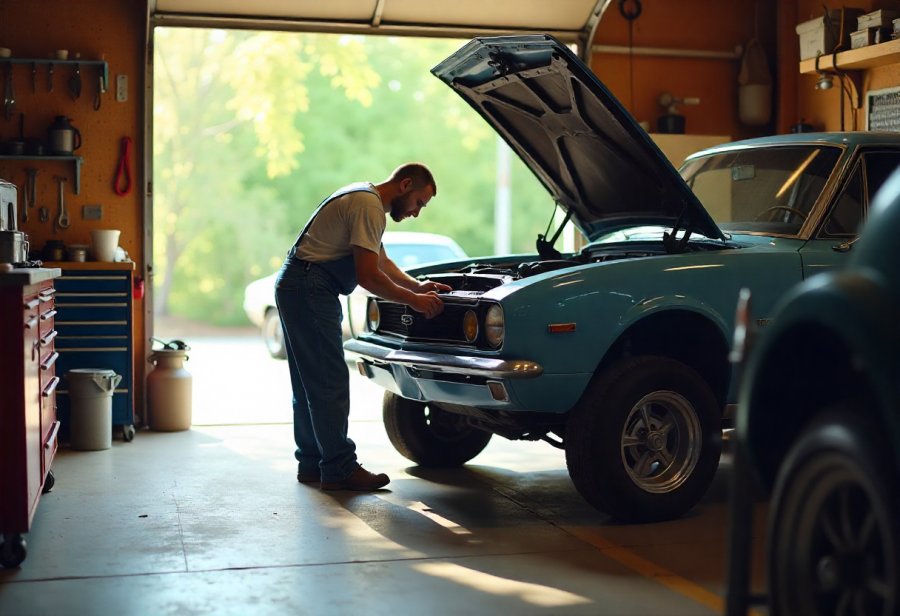
Modern Mechanics: The Evolving Landscape of the Contemporary Garage
Today’s backyard garages are a far cry from the simple workspaces of decades past. They’ve evolved into versatile, technology-enabled hubs that blend traditional craftsmanship with modern innovations. Enthusiasts still cherish the tactile experience of working with hand tools, but now they complement their skills with digital diagnostics, LED lighting, and smart organization systems. This combination makes repairs more precise and enjoyable, transforming the humble garage into a capable workshop that meets contemporary needs.
The rise of online tutorials, forums, and social media has revolutionized how backyard mechanics learn and share. Instead of relying solely on printed manuals or trial and error, they now access step-by-step videos, troubleshooting guides, and expert advice from across the globe. This democratization of knowledge lowers barriers for beginners and fosters a community of continuous learning. As a result, the garage becomes more than just a workspace—it’s an ongoing classroom where skills are refined and new techniques are explored.
Space constraints remain a common challenge, especially in urban settings or small driveways. To maximize every inch, hobbyists get creative with storage solutions—installing magnetic strips for small parts, using stackable bins, or repurposing furniture as workbenches. Many transform even tiny areas into efficient workshops with fold-down tables and compact power tools. The focus is on making the most of limited space, ensuring that passion doesn’t get lost amid clutter and chaos.
Technological advancements have introduced tools that elevate the quality and speed of work. Portable diagnostic scanners, once exclusive to professional garages, are now affordable and user-friendly for home use. LED work lights, adjustable workbenches, and ergonomic stools help sustain comfort during long projects. These innovations empower backyard mechanics to undertake sophisticated restorations and modifications, proving that small garages can support high-level craftsmanship with the right setup.
Environmental considerations also influence modern garages. Many enthusiasts now restore vintage vehicles using eco-friendly parts or incorporate green technologies, like hybrid conversions or electric motor swaps. Eco-conscious lubricants and cleaning products are becoming standard, reflecting a broader shift toward sustainable tinkering. These efforts show that passion for cars can go hand-in-hand with responsibility, blending tradition with innovation to shape a greener future for the backyard garage.
Fostering Passion and Skill: Building Engagement and Community in Your Garage
Fostering genuine engagement and craftsmanship in the garage starts with cultivating the right mindset. Approaching each project with patience, curiosity, and a willingness to learn transforms routine repairs into rewarding experiences. When setbacks are viewed as opportunities to improve rather than obstacles, it builds resilience and deepens your connection to the craft. Setting small, achievable goals—like mastering a new technique or organizing tools more efficiently—keeps motivation high and makes progress tangible.
Joining local car clubs or online communities can significantly boost your passion. Sharing progress, asking questions, and exchanging advice with fellow enthusiasts creates a sense of belonging that fuels enthusiasm. Seeing others’ work and hearing their stories can inspire you to push your skills further, turning each project into a learning opportunity. These interactions foster a community spirit, making the garage feel less like a solitary workspace and more like a hub of collective passion.
Sharing your progress on social media or forums also plays a key role. Celebrating milestones and receiving encouragement from others keeps your enthusiasm alive. Feedback from a community that understands your journey can boost confidence, motivating you to take on more ambitious repairs or restorations. These small acts of sharing reinforce why you started and remind you that every effort, no matter how small, adds to your growth.
Good organization underpins sustained engagement. A tidy workspace with tools and parts stored properly makes work more enjoyable and reduces frustration. When everything is within reach and easy to find, you stay focused on the craft rather than battling clutter. This discipline keeps the environment inviting and your motivation steady, transforming the garage into a true sanctuary of productivity and passion.
Resourcefulness fuels ongoing involvement. Finding creative solutions—like salvaging parts, repurposing household items, or inventing makeshift tools—adds a personal touch to each project. This ingenuity not only saves money but also keeps the work interesting, turning problems into opportunities for innovation. Every solution you craft through inventive thinking strengthens your skills and deepens your attachment to the craft.
Patience remains essential. Mastering complex repairs or vintage restorations takes time and care. Doing things slowly and paying attention to detail ensures quality work and instills a sense of pride. Embracing this deliberate approach transforms the garage into a space of continuous learning, where each project becomes a chapter in a larger story of growth. Staying committed and curious keeps the passion alive and your skills sharp, making every visit to the garage a step toward mastery.
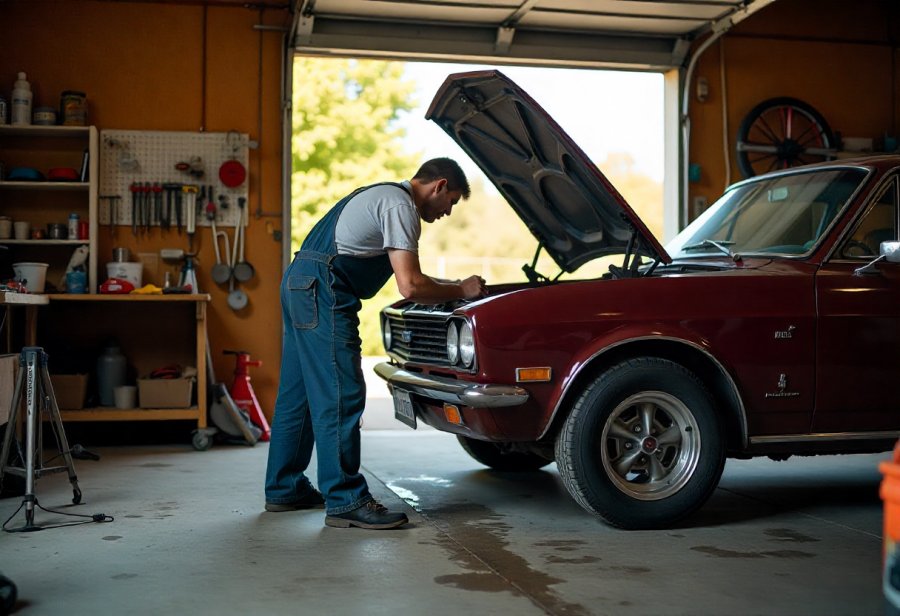
Reflections and Future Visions: The Enduring Spirit and Innovation of the Backyard Garage
The backyard garage has long stood as more than just a space for repairs; it’s a symbol of personal craftsmanship, independence, and passion that continues to inspire enthusiasts across generations. Its significance extends beyond fixing cars—it’s about preserving a hands-on tradition rooted in patience, ingenuity, and a love for machinery. These spaces serve as personal sanctuaries where skills are passed down, stories are shared, and a deep appreciation for vintage engineering remains alive. As technology advances and society evolves, the garage’s role adapts, but its core purpose as a hub of creativity and craftsmanship stays constant.
Looking ahead, the future of the backyard garage is set to blend traditional techniques with emerging innovations. Digital diagnostics, 3D printing, and eco-friendly restoration practices are becoming more accessible, expanding what hobbyists can achieve within their own spaces. This integration of new tools and methods complements existing skills, offering greater precision and efficiency while honoring the craftsmanship that has defined these garages for decades. As a result, restorations and modifications will become more detailed, sustainable, and rewarding.
The cultural importance of these garages will also grow stronger, fueled by online communities and social media platforms. Sharing projects, tips, and tutorials across borders creates a global network of backyard mechanics united by passion. This connectivity encourages continuous learning and inspires newcomers to join the craft, ensuring that the tradition remains vibrant and relevant. The garage transforms from a personal workspace into a shared space of knowledge, innovation, and camaraderie, where ideas flourish and skills evolve.
Yet, challenges such as limited space, resource availability, and skill gaps will persist. These hurdles often spark creativity, pushing enthusiasts to devise inventive solutions—salvaging parts, optimizing small tools, or turning to online tutorials for guidance. Overcoming these obstacles highlights the resilience and resourcefulness that have always defined the backyard mechanic culture. This adaptability keeps the passion alive, allowing the garage to remain a space for growth, experimentation, and discovery.
In essence, the backyard garage embodies a timeless human drive to create, repair, and connect. It’s more than a workshop; it’s a sanctuary where patience, ingenuity, and love for machines come together in every project. As new technologies and ideas emerge, they will enhance, not replace, the core values that have sustained this space for generations. The garage will continue to evolve as a birthplace of innovation and tradition, inspiring future enthusiasts to keep the spirit of hands-on craftsmanship alive and thriving.