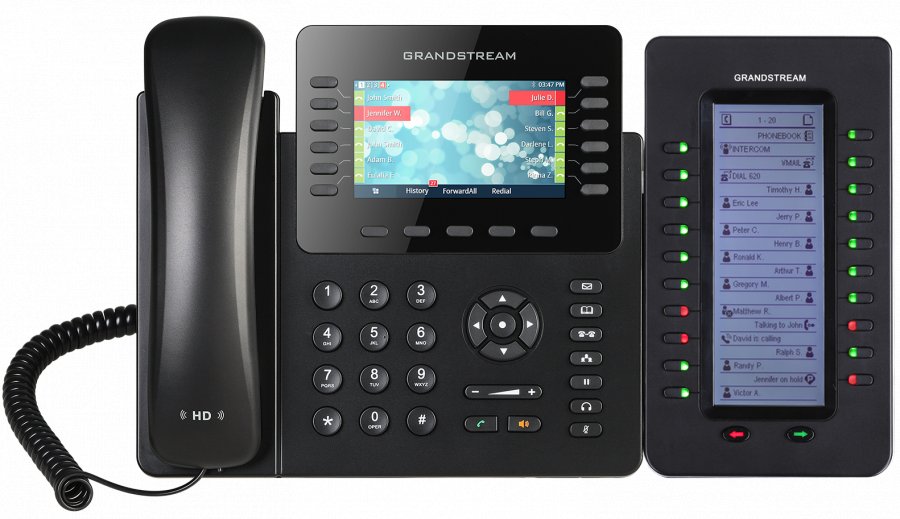




In a world where effective communication is the backbone of business success, customizable telephony solutions are revolutionizing how organizations connect, collaborate, and serve their customers. Grandstream’s cutting-edge devices, from carrier-grade IP phones to cloud-managed platforms, promise unparalleled flexibility and ease of deployment. But as technology evolves rapidly—integrating AI, voice recognition, and open standards—how can businesses ensure their networks stay resilient and future-proof? The shift from costly, hardware-dependent systems to scalable, cloud-enabled solutions offers a compelling path forward. Yet, the challenge remains: balancing control and convenience, security and accessibility. This guide unveils how innovative telephony infrastructure can streamline workflows, reduce costs, and elevate customer experiences while adapting seamlessly to changing demands. Are you prepared to harness the power of customized communication networks that not only meet today’s needs but also anticipate tomorrow’s opportunities?
Transforming Business Communication with Customizable Telephony Solutions
In today’s fast-paced business environment, effective communication isn’t just a convenience—it’s a necessity. Companies need systems that are flexible enough to support remote teams, handle high call volumes, and integrate seamlessly with other digital tools. Traditional phone setups, once sufficient for simple voice calls, often fall short when organizations demand more agility and scalability. That’s where customizable telephony solutions come into play, offering tailored communication networks that adapt to specific business needs, boosting productivity and enhancing customer interactions.
The evolution of telephony technology has transformed how businesses connect internally and with their clients. From the early days of manual switchboards and landlines to today’s digital and cloud-based platforms, each step has aimed to make voice communication more reliable, affordable, and flexible. Initially, physical wiring and analog signals made scaling a challenge—expensive and time-consuming to update or expand. The advent of VoIP revolutionized this landscape by transmitting voice over the internet, enabling cost savings and the addition of advanced features without extensive hardware changes.
Modern telephony solutions build on these innovations by leveraging cloud management, smart devices, and AI capabilities. Cloud platforms allow organizations to control their systems remotely, configure devices, and monitor performance from a centralized interface. This not only simplifies deployment across multiple locations but also reduces operational costs and downtime. Features like real-time analytics, call routing, and voice recognition are now standard, giving teams valuable insights and automation tools to streamline workflows and improve service quality.
Choosing a customizable telephony system is about finding the right balance between control and convenience. On-premises solutions offer full control over hardware, data, and security—an important consideration for regulated industries. Cloud-based systems, on the other hand, provide unmatched flexibility for remote or distributed teams, with rapid deployment and easy management. Hybrid models combine these advantages, giving organizations the ability to keep sensitive data on-site while enjoying the scalability and ease of cloud management. This approach allows a gradual transition, minimizing disruptions while upgrading communication infrastructure.
Understanding how telephony has advanced helps highlight why customization is so vital today. Early systems, reliant on physical wiring and hardware, were costly and difficult to change. Digital PBX systems introduced more features and flexibility but still depended heavily on on-site equipment. Today’s cloud-managed platforms eliminate many of these physical dependencies, enabling quick scaling and effortless updates. This shift makes it easier for businesses to adapt their communication networks to evolving needs without sacrificing reliability or security.
Deployment strategies play a crucial role in maximizing the benefits of customizable telephony. Platforms like Grandstream’s GDMS streamline device provisioning, software updates, and troubleshooting, ensuring consistent performance across locations. Standardized templates and configurations reduce setup time and errors, while optimized network settings guarantee high-quality calls even during peak hours. These best practices help organizations deploy scalable, reliable systems that support growth and adapt to future demands.
As technology advances, interoperability and open standards are becoming more important than ever. Devices and systems that work seamlessly together from different vendors reduce vendor lock-in and foster innovation. Open standards ensure that new features, integrations, and devices can be added without overhauling existing infrastructure. This flexibility is essential for future-proofing investments, allowing businesses to incorporate emerging technologies like AI analytics and voice assistants into their communication environment confidently.
Ultimately, the shift toward customizable telephony solutions isn’t just about technology—it’s about transforming how businesses connect, collaborate, and serve their customers. By adopting flexible, scalable, and integrated systems, organizations can enhance operational efficiency, improve customer experience, and stay ahead in an increasingly digital landscape. As companies look to upgrade their communication networks, embracing tailored solutions like those offered by Grandstream can be a decisive step toward more effective, agile, and personalized business communication.

The Evolution of Telephony: From Manual Switchboards to Cloud Platforms
Telephony solutions have come a long way from the days of manual switchboards and rotary phones. Back then, connecting a call involved physical wiring and analog signals, making the process slow and rigid. These early systems were simple but quickly became cumbersome as businesses expanded, requiring more wiring, manual oversight, and physical infrastructure. This limited flexibility and made scaling costly and time-consuming, often restricting how quickly companies could grow or adapt their communication channels.
The digital revolution in telephony began with the advent of digital Private Branch Exchange (PBX) systems, which replaced bulky hardware with more efficient, programmable digital switches. These systems allowed multiple lines to be managed from a single platform, enabling features like call routing, voicemail, and conferencing. However, they still depended heavily on on-site hardware, which meant that updates or expansions often required physical upgrades and maintenance, limiting agility.
A major breakthrough came with Voice over Internet Protocol (VoIP), which allowed voice data to be compressed and transmitted over the internet rather than traditional copper wires. This shift drastically lowered costs, especially for long-distance and international calls, and opened the door to greater customization. Companies could now add features like call forwarding, auto-attendants, and integrated contact lists without investing in extensive hardware. VoIP transformed telephony from a static service into a flexible platform that could grow and evolve with business needs.
Building on VoIP’s foundation, today’s telephony solutions leverage cloud management, mobile apps, and smart devices. Cloud platforms enable organizations to control and monitor their communication systems remotely, configure devices, and manage updates from centralized dashboards. This reduces the need for on-site maintenance, making it easier to support multiple locations or remote teams while maintaining consistent call quality and system performance. The cloud also provides real-time analytics, AI-driven features, and seamless integrations with other business tools, further enhancing operational efficiency.
The journey from analog to digital and now to cloud-based systems illustrates why modern telephony is so adaptable. Early systems, reliant on physical wiring and on-premises hardware, were costly and difficult to change quickly. Digital PBX systems introduced more features and flexibility but still required significant hardware investments. Today’s cloud-managed platforms eliminate many of these physical dependencies, enabling businesses to scale rapidly and implement updates effortlessly. The result is a communication infrastructure that aligns with today’s fast-moving, digitally driven workplace.
Choosing the right deployment model depends on a company’s size, security requirements, and operational goals. On-premises solutions offer full control over hardware and data, vital for regulated industries or those with strict security needs. Cloud-based systems provide greater flexibility, especially for remote or distributed teams, with faster deployment and easier management. Hybrid models combine these benefits, maintaining local control while leveraging cloud management for remote access and updates. This blended approach allows organizations to tailor their telephony infrastructure to meet both operational and compliance demands, facilitating smoother transitions and ongoing growth.
Effective deployment hinges on best practices that maximize reliability and ease of management. Platforms like Grandstream’s GDMS streamline device provisioning, software updates, and troubleshooting, ensuring consistent performance across locations. Standardized configurations and templates reduce setup time and minimize errors, while optimized network settings guarantee high-quality calls even during peak usage. Implementing these strategies helps organizations deploy scalable, customizable telephony solutions that support growth and adapt to evolving business needs without sacrificing performance or security.
Interoperability and open standards are increasingly vital as the industry moves toward more interconnected systems. Devices and platforms from different vendors that adhere to open standards work seamlessly together, reducing vendor lock-in and fostering innovation. This openness makes it easier to incorporate new devices, features, and integrations over time, ensuring investments remain future-proof. As emerging technologies like AI analytics, voice recognition, and enhanced security protocols become more prevalent, compatibility across platforms ensures that organizations can adopt these innovations without disrupting existing workflows or incurring costly overhauls.
Understanding this evolution from analog to cloud-based systems highlights why flexibility and scalability are so essential today. Early systems depended heavily on physical wiring and hardware, which limited rapid expansion or modification. Digital PBX systems introduced new features but still required significant on-site infrastructure. Today’s cloud-managed platforms offer a new level of agility, allowing organizations to adapt quickly to changing needs, scale effortlessly, and incorporate innovative features. This continuous progression underscores the importance of choosing solutions that are not only reliable now but also adaptable for future growth and technological advancements.
Embracing the Future: Trends Shaping Modern Telephony Technology
Modern telephony is advancing at a rapid pace, driven by a focus on smarter, more integrated, and highly adaptable systems that meet today’s dynamic workplaces. Cloud-managed solutions are at the forefront of this shift, offering centralized control and the ability to manage devices remotely. With these platforms, businesses can configure, update, and troubleshoot their communication networks from anywhere, ensuring consistent performance across multiple locations without the need for extensive on-site infrastructure. This flexibility simplifies deployment and maintenance, making it easier for organizations to support remote teams and distributed offices seamlessly.
Devices are becoming increasingly intelligent, equipped with features like AI-driven call analytics, voice recognition, and deep integration with business applications. For example, some IP phones now offer real-time transcription, helping staff capture and review important call details effortlessly. Voice assistants and integrations with chat, video, and collaboration platforms are blending different channels into a unified ecosystem. These innovations not only enhance user experience but also provide valuable insights into customer interactions and call patterns, empowering organizations to make smarter, data-driven decisions.
Hybrid deployment models are gaining popularity because they combine the control of on-premises hardware with the convenience of cloud management. Companies can keep sensitive data and critical functions on-site while leveraging the cloud for remote access, updates, and scalability. This approach allows for a gradual migration to newer technologies, minimizing disruptions while maximizing security and compliance. It offers a flexible path for organizations seeking to modernize their infrastructure without sacrificing control over their most vital assets.
Interoperability and open standards are now central to industry development. Systems and devices from different vendors that adhere to common standards work together smoothly, reducing vendor lock-in and fostering innovation. This openness makes it easier for businesses to incorporate new features, devices, and integrations over time, ensuring their communication systems remain future-proof. As emerging technologies like AI analytics, voice recognition, and enhanced security protocols become more prevalent, compatibility across platforms ensures organizations can adopt new tools confidently without overhauling their entire setup.
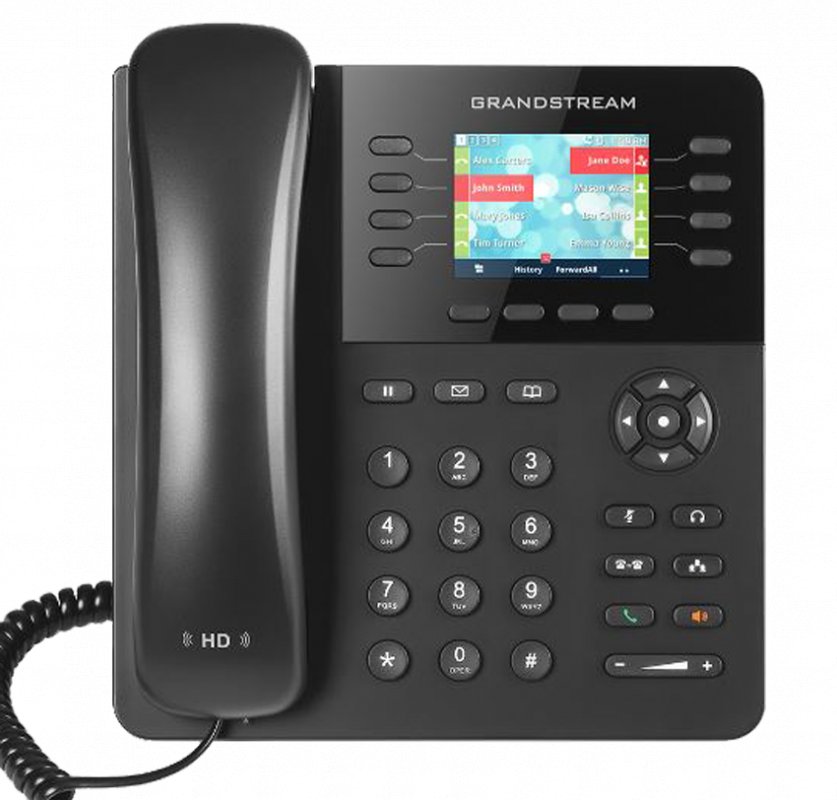
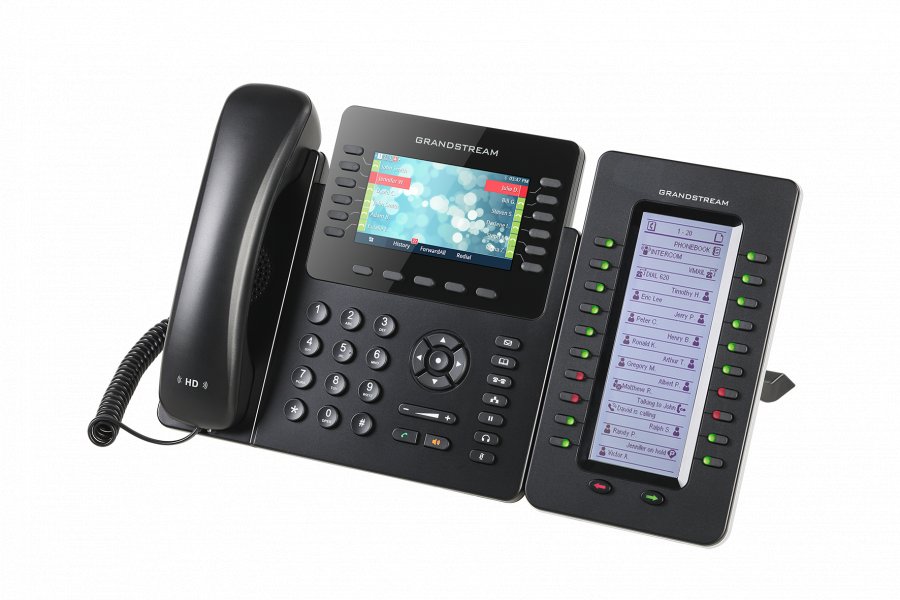
Devices like Grandstream’s IP phones exemplify these trends, combining robust hardware with user-friendly interfaces, high-definition audio, and advanced security features. Their support for cloud management platforms such as GDMS simplifies deployment, allowing organizations to provision and monitor devices efficiently across multiple sites. The scalable architecture of these devices makes expansion straightforward, whether adding new users or integrating additional features, all while maintaining a consistent, high-quality user experience.
The focus on continuous innovation means that telephony solutions are more adaptable than ever. Features like AI-powered voice analytics, automatic call routing, and real-time reporting are becoming standard tools for improving operational efficiency and customer service. As the technology landscape evolves, so does the ability for organizations to customize their communication environments, aligning infrastructure with their specific needs and growth plans. This ongoing evolution ensures that modern telephony remains not just a utility but a strategic asset.
In essence, the direction of telephony technology is toward systems that are smarter, more flexible, and deeply integrated into the fabric of business operations. The shift to cloud-based management, coupled with intelligent devices and open standards, equips organizations to stay agile and responsive. As organizations embrace these innovations, they unlock new levels of efficiency, security, and customer engagement—making the future of business communication not just more connected but also more capable of driving growth and success.