




What if true leadership isn’t measured by external conquests but by the strength of inner discipline? Marcus Aurelius exemplifies this paradox—the philosopher-king who ruled with calm resilience amid chaos. This exploration reveals that authentic leadership stems from virtues like self-control, patience, and moral clarity, cultivated through daily habits and reflection. Imagine applying Stoic principles to modern challenges: responding thoughtfully rather than reacting impulsively, governing with calm amidst turmoil, and inspiring trust through quiet strength. Marcus’s life demonstrates that external power wanes, but inner resilience endures, shaping a legacy rooted in virtue and self-mastery. Are you ready to look inward and develop the mental fortitude required to lead with integrity and grace? This journey toward inner discipline isn’t a quick fix but a continuous effort—each mindful moment and deliberate act building a resilient core capable of weathering any storm. True leadership begins within, asking whether you have the discipline to govern your own mind first.

Inner Discipline: The True Power Behind Authentic Leadership
Leadership is often associated with outward signs of power—territories, armies, wealth. But beneath these visible markers lies a different kind of strength: inner discipline. This form of strength is about cultivating qualities like self-control, resilience, and wisdom—traits that shape how a leader responds to challenges and influences others. Unlike external achievements, inner discipline is quiet but enduring, serving as mental armor that keeps a leader steady amid chaos. It allows clarity and purpose to guide actions rather than impulsiveness or ego, forming the true foundation of authentic authority.
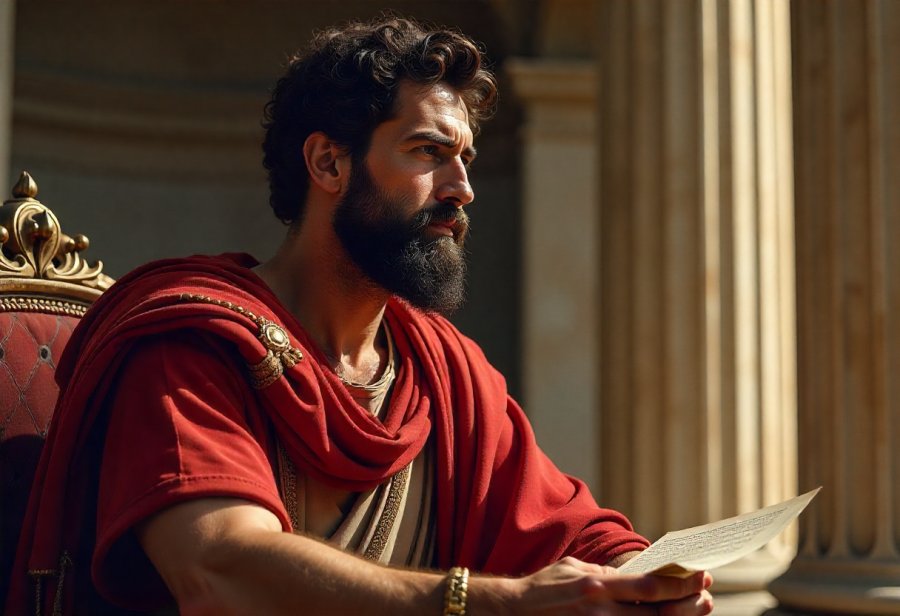
Looking back through history, many revered leaders share this inner resilience. Marcus Aurelius, the Roman emperor and Stoic philosopher, exemplifies this kind of strength. His life shows that real power isn’t about dominating others but about mastering oneself. Despite facing wars, plagues, and political upheavals, Marcus remained committed to Stoic principles, constantly reflecting on virtues like humility, patience, and self-control. His writings in *Meditations* reveal a man who prioritized inner resilience over external accolades, emphasizing that true strength begins within.
This perspective shifts how we view leadership today. In a world of rapid change and uncertainty, external success can be fleeting. Traits like patience, integrity, and calmness have a lasting impact because they inspire trust and loyalty. Leaders who develop these qualities respond thoughtfully in crises, maintain their moral compass, and create steadiness others can rely on. Strength, therefore, isn’t about exerting dominance but about cultivating a quiet confidence rooted in self-awareness and mental fortitude.
Marcus Aurelius’s life illustrates that genuine leadership is more about governing the mind than wielding external power. His ongoing effort to control impulses and emotions allowed him to face adversity with grace and humility. His *Meditations* serve as a guide to self-mastery—an acknowledgment that external power can be lost, but inner discipline builds a legacy that endures. It’s this inner resilience that transformed him from a ruler of an empire into a leader of virtue, whose strength was rooted in the discipline of his mind and spirit.
Ultimately, the question isn’t how much territory a leader controls but how well they govern themselves. Inner discipline fosters clarity, patience, and moral strength—qualities that withstand the tests of time and turmoil. This form of strength isn’t flashy or loud; it’s steady and reliable, guiding leaders through crises and inspiring others to follow suit. By focusing inward and cultivating self-mastery, leaders can build an authentic authority that remains unshaken by external circumstances. That’s the true power of inner discipline—an enduring strength that defines real leadership.
Foundations of Inner Resilience, Self-Mastery, and Virtue
Inner discipline is the core of authentic leadership. It’s about building resilience—those mental muscles that help us stay steady and focused, even when everything around us feels chaotic. Resilience isn’t about ignoring problems; it’s about developing the strength to face setbacks head-on without losing your composure. This mental toughness allows leaders to navigate difficulties, remain calm under pressure, and keep a clear sense of purpose amid turmoil.
Self-mastery takes resilience further. It involves understanding and controlling our thoughts, emotions, and impulses rather than being driven by them. Leaders who master themselves can respond thoughtfully instead of reacting impulsively. It’s not about suppressing feelings but recognizing them and choosing responses aligned with core values. This discipline creates a reliable foundation for consistent decision-making rooted in virtue, earning trust and respect from others.
Philosophical leadership, especially in the Stoic tradition, emphasizes acting according to reason and virtue. It recognizes that many external circumstances are beyond our control, but how we respond is entirely within our power. Cultivating self-awareness and emotional regulation enables leaders to act with integrity, even when faced with adversity. These inner qualities aren’t just lofty ideals—they’re practical tools for maintaining clarity and moral direction during tough times.
Developing resilience and self-control requires daily habits—mindfulness, journaling, reflection—that reinforce mental toughness. Small, consistent actions like pausing before reacting or checking in with your purpose strengthen your inner muscles over time. These routines embed a mindset of calm, patience, and clarity, making it easier to stay centered when external pressures mount. Over time, these habits transform how you approach challenges, embedding inner strength into your leadership style.
Practicing these principles is an ongoing process. Facing difficulties as opportunities for growth, rather than obstacles, fosters a resilient mindset. Responding with patience and deliberate action instead of frustration builds moral resilience that endures. Every challenge becomes a chance to practice self-control and virtues, reinforcing the inner core that underpins authentic leadership.
Inner discipline isn’t a one-time achievement but a lifelong journey. Every mindful moment, routine habit, or act of patience contributes to a more resilient, focused mind. These choices create a steady core that can weather any storm. When these habits become part of your daily life, they redefine how you respond to adversity, turning inner strength into a natural, guiding force.

Marcus Aurelius’s Life as a Model of Self-Control and Moral Leadership
Marcus Aurelius’s life offers a compelling example of how inner discipline shapes effective leadership. Known as the philosopher-king, he ruled during a turbulent era marked by wars, plagues, and political upheaval, yet his commitment to Stoic principles remained unwavering. His *Meditations* reveal a man dedicated to self-control, humility, patience, and justice—virtues that guided his every decision. These internal efforts weren’t mere philosophical exercises; they directly influenced his capacity to govern with calm, moral clarity under pressure.
Rather than seeking power for its own sake, Marcus believed that true strength lay within. His leadership was rooted in the conviction that governing was a moral duty rooted in self-awareness. Controlling his impulses and emotions allowed him to act with reason rather than ego, giving him the steadiness needed to navigate complex political and military challenges. This inner discipline prevented impulsiveness and fear from clouding his judgment, creating stability even amid chaos.
His *Meditations* serve as a window into his inner world, emphasizing acceptance of what’s beyond our control and focusing on our responses. These reflections weren’t abstract musings but practical tools that kept him grounded through adversity. By internalizing these lessons, Marcus led with humility and moral authority, earning respect not through dominance but through the strength of his character. His ability to govern himself became the foundation of his enduring legacy.
Marcus’s unwavering commitment to Stoic virtues prevented vanity and pride from influencing his leadership. Instead, his inner discipline fostered a moral clarity that guided his decisions and inspired loyalty. His steadiness and integrity created a sense of trust that extended beyond his reign—his inner strength became a model for others, proving that true power resides in mastery over oneself.
His life underscores that external victories are fleeting, but inner resilience endures. Marcus’s mastery over his impulses, his relentless reflection, and his pursuit of virtue turned internal discipline into external stability. This internal strength didn’t just help him face crises; it elevated him beyond mere ruler to a moral exemplar whose leadership was rooted in self-mastery. His example shows that the most powerful leaders are those who govern their own minds and emotions first.
Ultimately, Marcus Aurelius exemplifies how inner discipline shapes authentic leadership. His life demonstrates that true power isn’t about conquest but about self-control, wisdom, and moral resilience. By continuously practicing self-awareness and reflection, he built a resilient core that weathered chaos and left a legacy of moral strength—proof that the greatest empire a leader can command is the empire of their own mind.
Cultivating Inner Strength: Practical Steps to Resilience and Wisdom
Building inner resilience and wisdom starts with simple, consistent steps that anyone can incorporate into daily life. One of the most effective practices is mindfulness meditation. Just a few minutes each day focusing on your breath and observing your thoughts without judgment can significantly enhance your awareness of how you react to stress and setbacks. Over time, this creates a mental buffer, giving you the space to choose responses thoughtfully instead of reacting impulsively.
Journaling is another powerful tool for cultivating self-awareness. Taking time to reflect on daily experiences, challenges, and core values helps clarify what truly matters. Writing about setbacks allows for emotional processing and perspective shifts, strengthening your commitment to patience and self-control. As you recognize your triggers, it becomes easier to respond with intention rather than default reactions, reinforcing inner discipline.
Establishing disciplined routines also supports inner growth. Regular exercise, reading philosophy, or practicing gratitude daily serve as anchors during stressful moments. These habits ground you in your purpose and values, making it easier to maintain calm when external pressures rise. Small, deliberate actions—like waking early for meditation or pausing before responding—build mental toughness gradually, embedding resilience into your leadership style.
Leaders face unique challenges that require embracing difficulties as opportunities for growth. Approaching tough decisions or conflicts with patience and clarity demonstrates self-control. Acting with authenticity and composure, even in chaos, not only strengthens your inner discipline but also models stability for others. Over time, these habits become second nature, creating a resilient mindset that sustains both personal development and effective leadership.
Inner discipline is a continuous journey, not a one-time achievement. Every mindful pause, routine, or act of patience reinforces your inner core. These small choices accumulate, shaping a steady foundation capable of weathering life’s inevitable storms. As such habits become ingrained, they transform your response to adversity, turning inner strength into a natural guiding force.
Focusing inward doesn’t mean ignoring external realities; it means cultivating the mental clarity to face them effectively. When you develop resilience and wisdom through daily effort, you create an internal sanctuary that supports your decisions and actions. This inner fortress becomes your greatest asset, enabling you to lead with integrity and purpose, regardless of external chaos.
Remember, the path to inner discipline is ongoing. Each moment of reflection, every disciplined routine, and each act of patience serve to strengthen your moral resilience. Over time, these small, consistent efforts forge a resilient, focused mind—ready to handle whatever challenges come your way. Developing this inner strength isn’t just about personal growth; it’s about becoming a leader whose influence is rooted in calm, virtuous steadiness.
Ultimately, cultivating inner resilience and wisdom empowers you to act with purpose and integrity. It transforms leadership from a position of dominance into one of moral authority—an influence that endures beyond external successes. By making mindful, disciplined choices daily, you build a resilient core that guides your actions and inspires others. This inner discipline becomes the true measure of strength, shaping a legacy rooted in virtue and self-mastery.
Embracing Inner Discipline: Your Path to Lasting Leadership and Personal Growth
Inner discipline stands out as one of the most powerful tools for genuine leadership and personal growth. Unlike external achievements that can be fleeting, true strength is rooted in resilience, wisdom, and self-control—qualities that develop from within. Marcus Aurelius exemplified this idea perfectly. His leadership was grounded in inner mastery, allowing him to face chaos and uncertainty with calm confidence. By focusing on cultivating these inner qualities, we create a foundation that supports us through any challenge and leaves a lasting impact.
This journey toward inner discipline isn’t about quick fixes or perfection. It’s a continuous process built on small, deliberate steps—daily habits that reinforce self-awareness and resilience. Practices like mindfulness meditation, journaling, or simply pausing before reacting help strengthen our mental muscles over time. These routines embed a mindset of calm and clarity, making it easier to stay centered when external pressures mount. The cumulative effect of these habits transforms how we respond to life’s hurdles, turning internal strength into a steady guide.
Leaders who prioritize inner discipline set a powerful example. Acting with integrity, patience, and calmness fosters trust and inspires those around us. This isn’t about suppressing emotions but understanding and managing them so they don’t control our actions. When we lead by example in steadiness, we influence others more deeply than any external authority can. Over time, this quiet confidence becomes a beacon, encouraging others to develop their own inner resilience.
Building this inner strength also means embracing life’s difficulties as opportunities for growth. Facing setbacks with patience and a focus on learning rather than frustration cultivates a moral resilience that endures. Each obstacle becomes a chance to practice self-control, sharpen virtues, and reinforce our inner foundation. This perspective shifts the focus from avoiding hardship to using it as a stepping stone toward greater inner mastery.
Remember, cultivating inner discipline is a lifelong effort. Every small step—whether a moment of reflection, a routine habit, or a mindful pause—strengthens your inner core. These choices create a steady foundation capable of weathering any storm. As these habits become ingrained, they reshape how you approach challenges, turning inner strength into a natural response rather than an effort. This internal resilience becomes your most reliable asset in both leadership and life.
When driven by a steady, virtuous core, your leadership gains authenticity and longevity. Acting with purpose and integrity, regardless of external circumstances, signals true strength. Others are drawn not by dominance but by the example of calm, resilient self-mastery. Over time, this quiet confidence influences and uplifts those around you, creating a ripple effect that extends far beyond immediate results.
The power of inner discipline lies in its ability to guide us to act with purpose and moral clarity. It transforms leadership from a position of control into one of service—an influence rooted in virtue rather than ego. As your inner strength deepens, so does your capacity to inspire trust, foster loyalty, and leave a meaningful legacy. This is the true measure of leadership—governing from within, with resilience and integrity as your compass.
So commit to this ongoing journey. Every moment of reflection, every disciplined routine, and every act of patience reinforces your inner core. Over time, these efforts accumulate into a resilient foundation that enables you to face any storm with calm assurance. Developing inner discipline isn’t just about personal growth; it’s about shaping a leadership style that endures, inspires, and truly makes a difference.
