




Are winter tires truly the safety upgrade drivers need for icy, snow-covered roads, or are they just an unnecessary expense? This compelling exploration reveals that winter tires are more than seasonal accessories—they are a critical safety tool. With their specialized rubber compounds and aggressive tread patterns, they deliver superior grip, shorter braking distances, and enhanced control in freezing conditions. Evidence from controlled tests and accident data shows that winter tires can reduce braking distances by up to 30%, significantly lowering crash risks. But do the benefits justify the cost when compared to all-season options? The answer lies in understanding that proper timing, maintenance, and regional regulations dramatically influence their effectiveness. For drivers in harsh winter climates, investing in quality winter tires isn’t just smart—it’s a vital measure to stay safe and in control when roads become treacherous. Could ignoring this crucial safety feature turn a manageable winter drive into a dangerous ordeal?

Why Preparing Early With Winter Tires Boosts Your Safety
Winter tire safety often goes unnoticed until the first snow hits the ground. Many drivers delay switching to winter tires until conditions become icy or snowy, but by then, it’s often too late to reap their full benefits. Preparing ahead of time by installing winter tires before the weather turns severe means you’re better equipped to handle the unpredictable cold months. These tires are more than just a seasonal upgrade—they’re a key safety feature designed to improve traction, control, and stopping power when roads are at their most treacherous.
The core advantage of winter tires lies in their specialized construction. Unlike all-season tires, they use a softer rubber compound that stays flexible in freezing temperatures. This flexibility allows the tire to maintain greater contact with icy or snowy surfaces, providing the grip needed to keep your vehicle stable. When rubber hardens in cold weather, tires lose traction, making it harder to stop or steer effectively. Winter tires counteract this problem by ensuring the contact patch remains pliable, which translates into safer handling and shorter braking distances on icy roads.
Another critical aspect is the tread pattern. Winter tires feature deeper grooves and a network of tiny slits called sipes. These sipes act like tiny claws that bite into snow and ice, enhancing grip and steering response. They also help channel away water, slush, and melted snow, reducing the risk of hydroplaning. The combination of deeper treads and siping allows winter tires to cut through packed snow and icy patches more efficiently than regular tires, giving drivers more control and confidence even in the most challenging conditions.
Many wonder whether investing in winter tires is worth the expense. Evidence shows that these tires can reduce braking distances by up to 30% in cold and icy conditions, which can be the difference between avoiding or causing an accident. Insurance data from regions with harsh winters also indicates fewer crashes once drivers switch to winter tires. This safety boost isn’t just about peace of mind; it’s a tangible reduction in the likelihood of accidents caused by loss of traction, especially on slick, unpredictable roads.
Proper timing and maintenance are key to maximizing winter tire benefits. Experts recommend installing them before the first significant snowfall or when temperatures consistently drop below about 7°C. Regularly checking tire pressure and tread wear ensures they perform as intended, since cold weather can cause air to contract and accelerate tire degradation. Keeping your winter tires in good shape not only extends their lifespan but also guarantees they’re ready to perform when you need them most. This simple step can make a significant difference in your safety during winter driving.
Understanding the importance of winter tires reveals why they are more than just a seasonal accessory—they’re a crucial safety tool. Their unique blend of softer rubber and aggressive tread design provides better grip, control, and shorter stopping distances on icy and snowy roads. Installing winter tires early, maintaining them properly, and recognizing their role in vehicle safety can turn potentially hazardous winter roads into manageable challenges. Being proactive with your winter tire choice isn’t just smart—it’s essential for staying safe and in control when the weather turns cold.
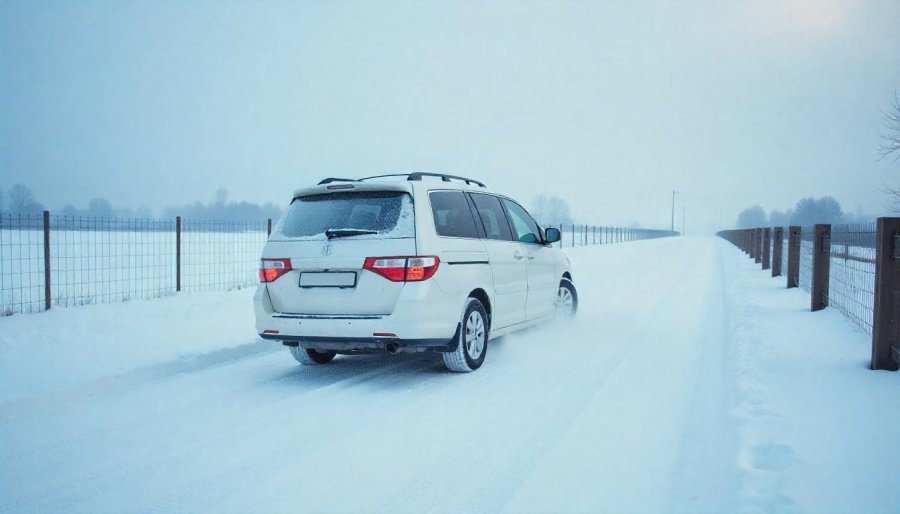
The Science Behind Winter Tire Performance
Winter tire performance is primarily built on the unique combination of rubber chemistry and tread design, both tailored specifically for cold weather conditions. Unlike regular or all-season tires, winter tires utilize a softer rubber compound that remains flexible even when temperatures drop well below freezing. This flexibility is essential because, as rubber hardens in cold weather, tires lose their ability to grip icy surfaces. Maintaining a pliable contact patch allows winter tires to provide significantly better traction and control, especially on slick roads. This fundamental property ensures that vehicles respond more predictably during acceleration, braking, and steering in winter conditions.
The tread pattern on winter tires plays a crucial role in their effectiveness. These tires typically feature deeper grooves and a network of tiny slits called sipes. The deeper treads help the tire grip snowy and icy surfaces more effectively by increasing the biting edges that make contact with the ground. Sipes act like tiny claws, creating additional grip on ice and packed snow. They also serve to channel away water, slush, and melted snow from beneath the tire, reducing hydroplaning risks and maintaining steady contact with the road. This design enables winter tires to cut through packed snow and icy patches more efficiently than standard tires, providing better steering response and shorter stopping distances.
The development of winter tires has evolved over decades, driven by the need for safer traction in cold climates. Early efforts in the 1930s experimented with rubber formulations that stayed soft and pliable at low temperatures, offering initial improvements over standard tires. Over time, innovations in tread pattern design and rubber technology advanced the performance of winter tires significantly. Modern models incorporate complex geometries, sophisticated siping techniques, and advanced rubber blends that maximize grip, durability, and safety. These technological improvements have transformed winter tires from basic winter accessories into essential safety devices for drivers in cold and snowy regions.
At the core of their effectiveness is how well the materials and design work together to optimize contact with icy surfaces. Softer rubber compounds remain flexible in low temperatures, allowing the tire to mold around irregularities like ice ridges or snow-packed surfaces. This increased contact area directly translates into improved grip and shorter braking distances. Meanwhile, the deeper treads and siping work in tandem to evacuate water and slush, preventing the loss of traction. This synergy ensures winter tires outperform all-season options when temperatures fall below about 7°C (45°F), especially on icy or snowy roads.
Regional differences and driving habits influence how winter tires are developed and used, but the science remains consistent worldwide. Countries with severe winters—such as Canada, Finland, and Sweden—often mandate the use of winter tires once temperatures drop below specific thresholds. These regulations promote early switching to maximize safety before roads become dangerous. In milder climates, many drivers opt to switch only after conditions worsen, but the underlying principles remain the same: winter tires are engineered to excel in low temperatures and icy conditions. This universal foundation underscores their role as a critical safety feature, regardless of local laws or climate severity.
Understanding these core principles clarifies why winter tires deliver such a marked safety advantage. Their unique blend of softer rubber and aggressive tread design creates a more reliable grip, shorter stopping distances, and better handling on icy, snow-covered roads. The materials are specifically chosen to stay pliable in freezing weather, while the tread patterns are engineered to maximize biting edges and water evacuation. This combination ensures that winter tires provide predictable performance, helping drivers maintain control when conditions are at their most treacherous. Recognizing these fundamentals encourages a proactive approach to winter safety.
Ultimately, the science behind winter tire performance is about working with nature’s challenges rather than against them. By leveraging specialized rubber compounds and innovative tread designs, winter tires create a safer driving environment in cold conditions. They turn icy patches and packed snow from hazards into manageable obstacles. When properly selected, installed, and maintained, winter tires become a vital part of a vehicle’s safety arsenal, offering peace of mind and improved control during the coldest months of the year. Their design and technology are finely tuned to meet the demands of winter roads, making them more than just a seasonal upgrade—they are an essential safeguard for winter driving.

Real-World Evidence of Winter Tires Saving Lives
Real-world data consistently underscores the tangible benefits of winter tires during icy and snowy conditions. Multiple studies comparing vehicles equipped with winter tires to those using all-season or summer tires reveal that winter tires can reduce braking distances by up to 30%. This significant difference often determines whether a driver can stop safely or slide into a hazard, especially on slick surfaces. In regions where harsh winters are common, insurance claims data also shows a marked decrease in accidents once drivers switch to winter tires, highlighting their role in enhancing safety and preventing costly crashes.
One of the primary reasons winter tires outperform other types is their superior grip, achieved through their softer rubber compounds. These compounds stay pliable in freezing temperatures, allowing the tire to mold around icy patches and packed snow. This flexibility maintains better contact with the road, translating into more effective steering and braking. On icy roads, where standard tires tend to slide or lose traction, winter tires help drivers maintain control and reduce skidding, making winter driving noticeably safer and more predictable.
Controlled testing environments further validate these advantages. When subjected to simulated winter conditions, winter tires consistently outperform all-season tires in key metrics like braking distance, cornering grip, and acceleration control. For instance, tests show that a vehicle with winter tires can come to a stop nearly 25% sooner on icy pavement than the same vehicle with all-season tires. Drivers often report more confident handling and less anxiety during winter commutes, knowing their tires are designed for these challenging conditions. This consistency in performance not only boosts safety but also reduces driver fatigue and stress.
Cost considerations often come into question, with critics arguing that winter tires are an unnecessary expense. However, the data paints a different picture. The expenses associated with accidents—medical bills, vehicle repairs, increased insurance premiums—far surpass the price of a quality set of winter tires. Investing in them can dramatically lower the likelihood of crashes, especially in severe weather. Additionally, proper use and timely replacement mean winter tires can wear less quickly during the season, further enhancing their value. For drivers in areas with frequent snow and cold temperatures, the safety benefits outweigh the initial investment.
Driver behavior plays a crucial role in maximizing the effectiveness of winter tires. Even the best tires can’t compensate for reckless driving or neglecting road conditions. However, the added grip and control from winter tires provide a critical safety margin. This means drivers can respond more smoothly to sudden icy patches, avoid abrupt braking that might cause skids, and steer more confidently through snow. Many drivers find that with winter tires, they are less likely to panic or overcorrect, leading to safer, more controlled driving even on treacherous roads.
In regions with strict winter tire regulations, the impact is particularly clear. Countries like Canada, Finland, and Sweden report lower accident rates and fewer injuries during their winter months due to early adoption and mandatory use of winter tires. These policies are grounded in the proven science of tire performance, emphasizing that early switching before roads become dangerously icy is a key factor in winter safety. For drivers living in such areas, the evidence supports the idea that winter tires are not merely an optional upgrade but an essential component of winter road safety.